


Buy High Performance and Cheap Rubber Work Boots for Cold Weather
Finding high-performance footwear that balances thermal protection with affordability is a critical challenge for outdoor professionals and hunters. When operating in extreme environments, the difference between a standard boot and a specialized thermal rubber boot can be the difference between operational success and debilitating cold. These specialized boots are engineered to provide a complete barrier against moisture while maintaining internal warmth in temperatures as low as -60°C.
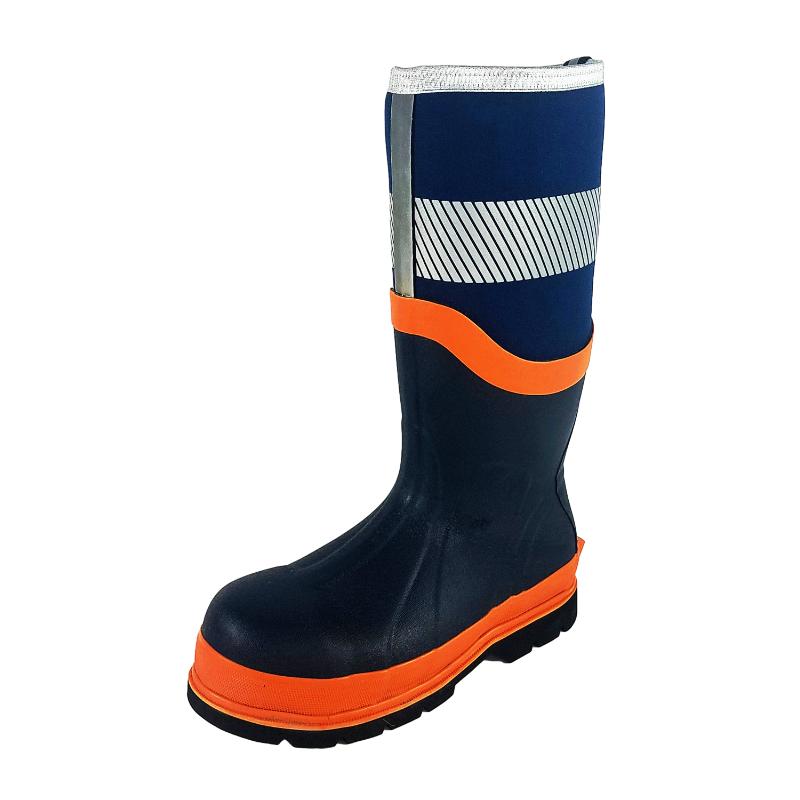
For those searching for cheap rubber work boots that do not sacrifice technical integrity, the focus must shift toward material synergy—specifically the combination of vulcanized rubber and high-density neoprene. By integrating polar fleece and a targeted Camo pattern, these boots serve dual purposes: thermal insulation and environmental concealment, making them an essential asset for fishing, farming, and hunting activities where durability and warmth are non-negotiable.

Engineering Thermal Resistance and Waterproofing in Extreme Cold
The efficacy of a thermal hunting boot relies on its ability to prevent heat loss through conduction and convection. The construction utilizes a sophisticated multi-layer lining system comprising Camo cloth, 7mm Neoprene, and Polar fleece. Neoprene acts as a closed-cell foam that provides an exceptional strength-to-weight ratio and inherent insulation, ensuring that the foot remains warm even when the external temperature drops significantly.
To ensure 100% waterproof performance, the outer shell is crafted from durable, flexible rubber. This vulcanized material is designed to withstand the rigors of wet marshes and snowy terrains without cracking. The integration of a removable and comfortable insole allows for personalized fit and easier maintenance, while the pull loops and HeelKicker feature facilitate rapid deployment in the field, reducing the time spent exposed to the elements during boot changes.

Traction Dynamics and Outsole Performance for Rugged Terrains
Stability is paramount when navigating slippery or uneven landscapes. The outsole architecture employs a high-traction molded-rubber design combined with a cold-blocking EVA-sponge midsole. This dual-layered approach serves two purposes: the rubber provides the necessary grip (slip resisting) on wet surfaces, while the EVA sponge acts as a thermal break, preventing the freezing ground from leaching heat away from the sole of the foot.
Unlike standard footwear, the molded rubber is engineered for flexibility, allowing the boot to hug the foot and move naturally as the wearer eases across the landscape. This design reduces fatigue during long treks and ensures that the boot remains a tool of efficiency rather than a hindrance. Whether used in deep mud or frozen tundra, the grip remains consistent, providing the wearer with the confidence to navigate challenging environments safely.
Application Analysis: From Hunting Grounds to Industrial Farm Work
The versatility of these rubber boots extends beyond hunting. In agricultural settings, farmers require footwear that can handle chemical exposure, mud, and constant moisture while protecting against the chill of early morning chores. The durable vulcanized rubber shell provides the necessary chemical and water resistance, while the internal fleece ensures comfort during extended wear.
For anglers and hunters, the Camo pattern provides essential concealment, allowing the user to blend into the environment. The taller boot height offers increased protection against deep water and brush, ensuring that moisture does not enter the boot from the top. The combination of technical materials ensures that the boot performs across multiple scenes—from the quiet steadiness required for fishing to the rugged durability needed for heavy-duty outdoor labor.
Technical Specification and Material Comparison
| Feature Component | Material Specification | Performance Metric | Primary Benefit |
|---|---|---|---|
| Outer Shell | Vulcanized Rubber | 100% Waterproof | Durability & Moisture Barrier |
| Thermal Lining | 7mm Neoprene + Polar Fleece | Insulation to -60°C | Extreme Cold Protection |
| Midsole | EVA-Sponge | Cold-Blocking | Shock Absorption & Warmth |
| Outsole | Molded Rubber | Slip Resisting | High Traction & Stability |
| Visual Design | Camo Pattern | Concealment | Environmental Blending |
Evaluating Supplier Capabilities for Large-Scale Footwear Procurement
When sourcing protective footwear at scale, the manufacturing infrastructure of the supplier determines the consistency of the product. A facility with over 30 years of experience and a production capacity of 3 million pairs per year indicates a stabilized supply chain and mastered production processes. Utilizing 238 sets of production and auxiliary equipment ensures that technical specifications—such as the exact thickness of neoprene—are maintained across every batch.
Furthermore, direct experience in international markets, including Russia and Europe, proves the supplier's ability to meet the stringent demands of cold-climate regions. The capacity to offer affordable products without compromising performance standards is a result of integrated design, production, and sales. For procurement managers, this integration reduces lead times and ensures that quality control is embedded in every stage of the manufacturing cycle.
Future Procurement Trends in Professional Rubber Footwear
The trend in industrial and outdoor footwear is moving toward "multi-scenario adaptability." Buyers are no longer looking for a single-purpose boot but rather a versatile solution that handles varying temperatures and terrains. The shift toward eco-friendly materials, such as the environment-friendly rubber used in these boots, reflects a broader industry move toward sustainability without losing the high-performance standards required for safety.
As climate volatility increases, the demand for footwear capable of handling extreme temperature swings will grow. Procurement strategies should prioritize suppliers who can offer a wide range of options—from safety rubber boots to specialized hunting gear—allowing for a consolidated supply chain. Investing in boots that utilize a combination of Neoprene and EVA ensures that the workforce remains productive and protected regardless of the external environmental challenges.
Common Inquiries Regarding Thermal Rubber Footwear
What makes these boots suitable for temperatures as low as -60°C?
The extreme cold resistance is achieved through a combination of 7mm Neoprene and Polar fleece lining. Neoprene acts as a powerful insulator that traps heat and prevents the cold from penetrating, while the fleece adds an extra layer of softness and warmth against the skin.
Are these boots completely waterproof for deep-water activities?
Yes, the boots are 100% waterproof due to the vulcanized rubber construction. The seamless outer shell ensures that water cannot penetrate the material, making them ideal for fishing, hunting in marshes, or working in heavy rain.
How does the EVA midsole contribute to the boot's performance?
The EVA-sponge midsole provides two main advantages: it offers cushioning for long-term comfort and acts as a thermal barrier that prevents cold from transferring from the frozen ground up into the foot.
Can these boots be used for industrial farm work?
Absolutely. The durable rubber shell is resistant to the mud and moisture typical of farm environments, and the thermal lining makes them perfect for winter agricultural tasks.
What is the benefit of the HeelKicker and pull loops?
These features are designed for convenience, allowing the wearer to put on and take off the boots quickly and easily without needing to bend over excessively or struggle with a tight fit.
What size range is available for these thermal boots?
The boots are available in a wide range of sizes, specifically UK5-13 and EU39-47, to accommodate a diverse global workforce and consumer base.
Technical References and Industry Standards
- ISO Standards for Protective Footwear
- OSHA Guidelines for Personal Protective Equipment
- ASTM International Material Testing Standards
- European Union Safety Footwear Regulations
Selecting the right protective footwear is a balance of technical specifications and practical application. By prioritizing material quality and supplier experience, buyers can ensure long-term durability and safety in the most demanding environments.
Related Specialized Footwear Solutions