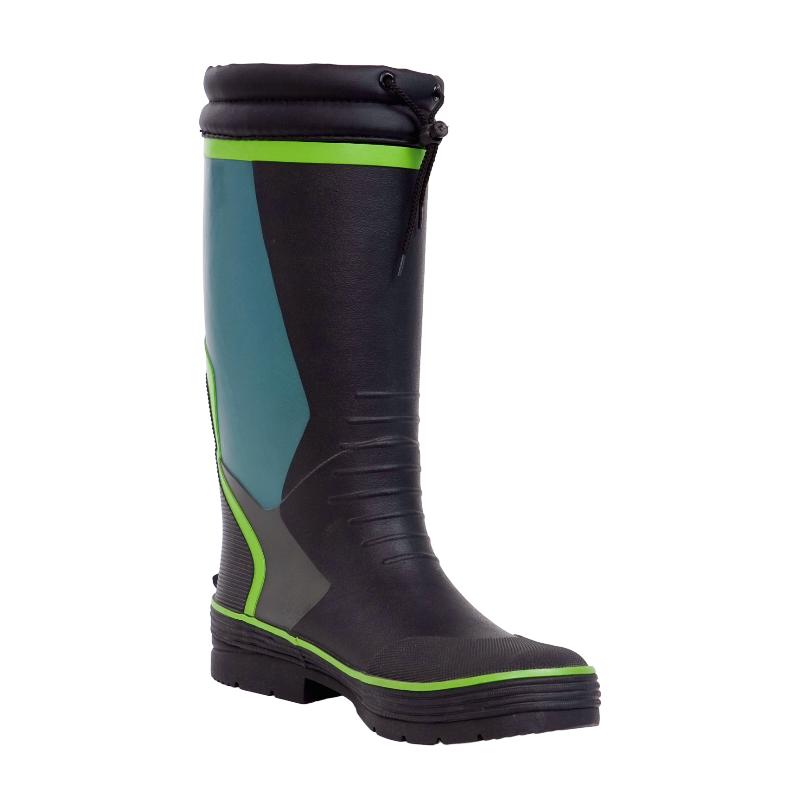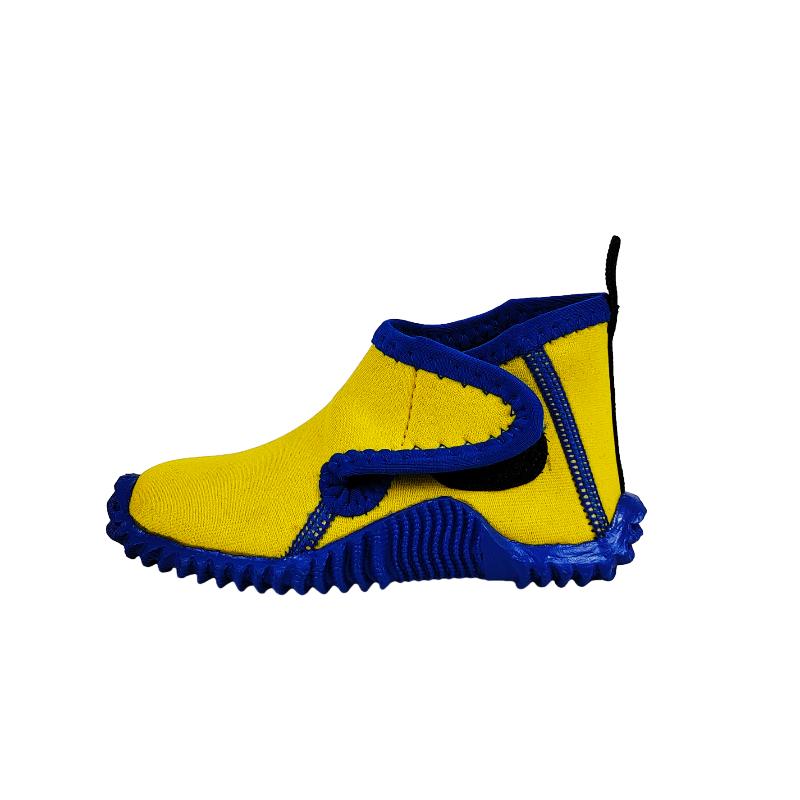


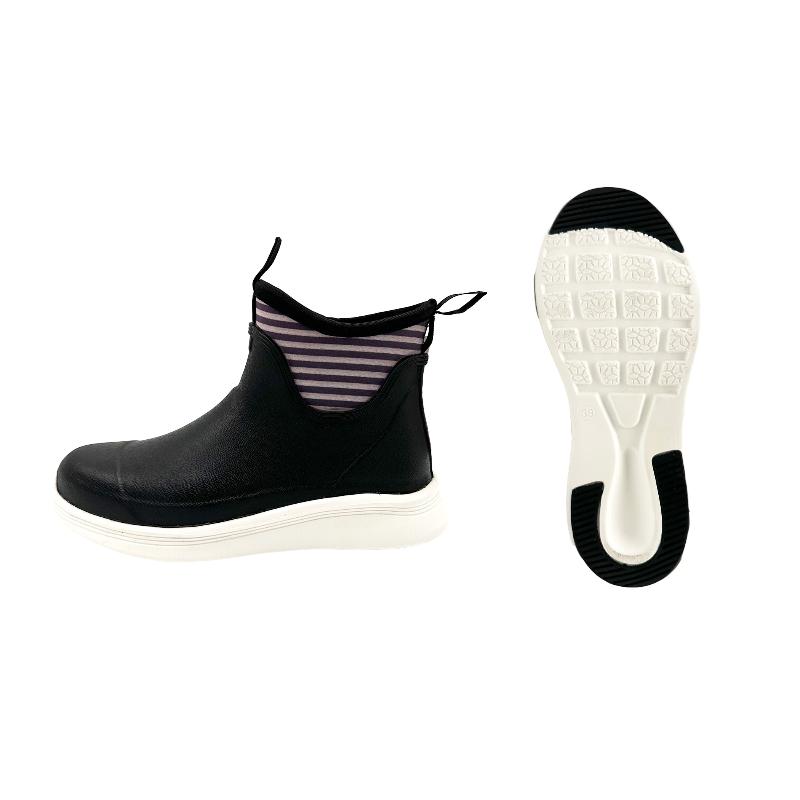
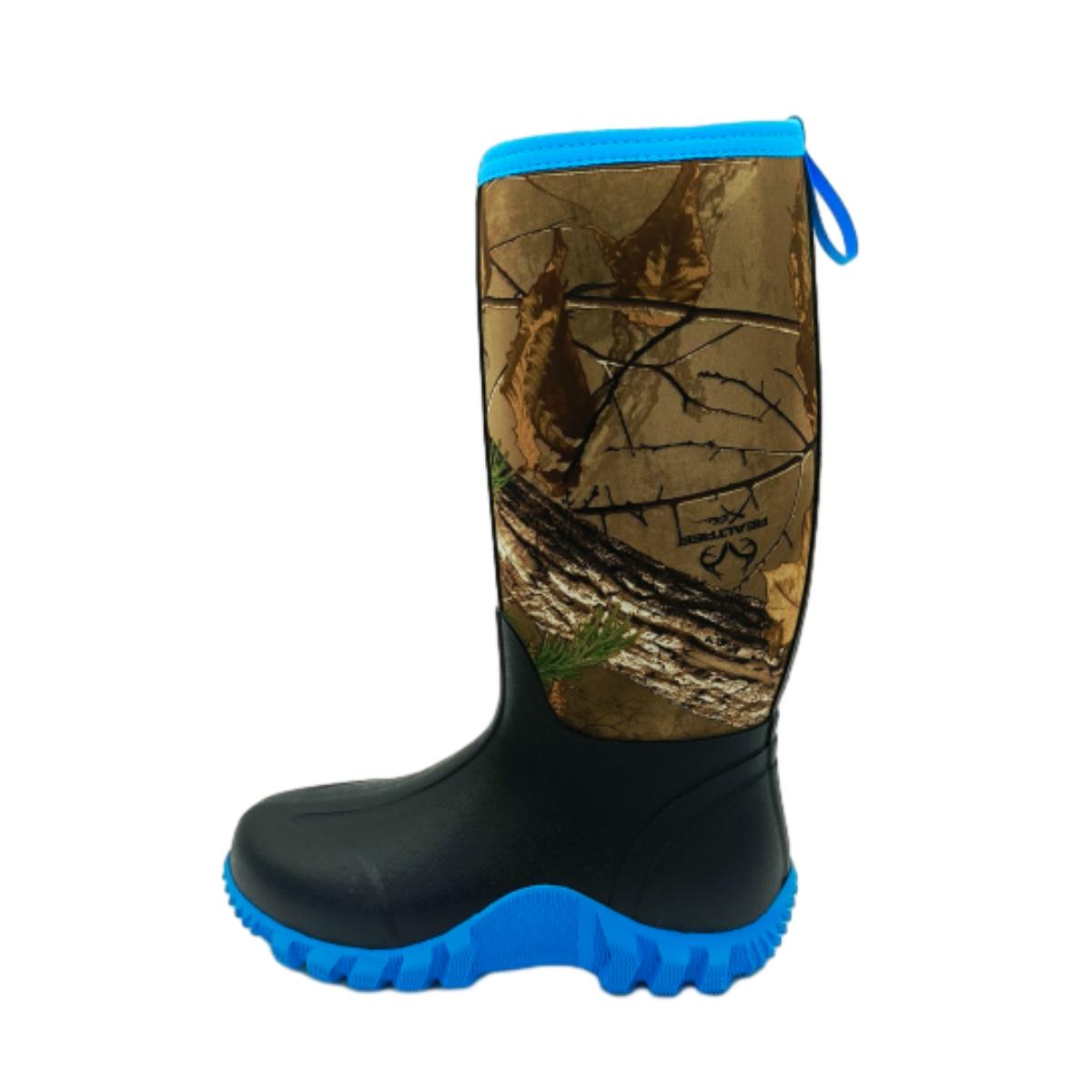
Advanced Performance Solutions for snake proof rubber boots in Peru

Engineering high-durability footwear for the extreme terrains of the Andes and the Amazon Basin, blending textile innovation with industrial-grade protection.

Advanced Performance Solutions for snake proof rubber boots in Peru

Providing the Peruvian outdoor sector with high-performance textile and rubber footwear engineered for extreme biodiversity and rugged topography.

The Current State of Specialized Footwear in Peru

Analyzing the intersection of Peru's geographic challenges and footwear manufacturing needs.

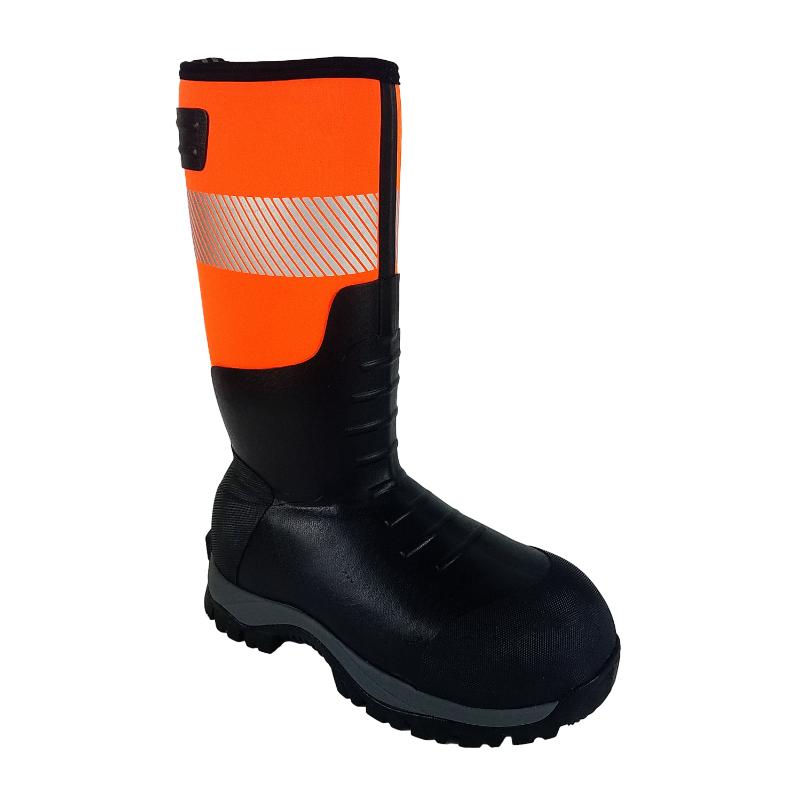
Peru's unique geography, spanning from the humid Amazon rainforest to the high-altitude Andean peaks, creates a fragmented demand for footwear. In the lowland regions, the prevalence of venomous reptiles has made snake proof rubber boots an essential safety requirement for agricultural workers and eco-tourists, moving beyond simple rubber molds to integrated textile reinforcements.

In the mountainous regions, the demand for mountain hunting boots has surged as outdoor sporting activities increase. The local market is transitioning from traditional heavy leather boots to lightweight, breathable textile-hybrid constructions that offer better moisture management during rapid climate shifts typical of the Peruvian highlands.

Economically, Peru's textile and leather industry is evolving. There is a clear shift toward importing high-tech synthetic membranes that can be integrated into local manufacturing, ensuring that professional gear, such as hunting and fishing hiking boots, can withstand the high acidity of jungle soils and the abrasive nature of volcanic rock.
Evolution and Technological Trajectory

From traditional artisanal leather to smart-textile footwear integration.

Market Development History

Until the early 2000s, the Peruvian market relied heavily on traditional vulcanized rubber and thick tanned leather. These provided basic waterproofing but lacked ergonomic support and breathability, often leading to foot fatigue in long-distance trekking across the Andes.

Between 2010 and 2020, the introduction of EVA midsoles and Gore-Tex style membranes revolutionized the sector. This era saw the rise of specialized deer stalking boots adapted for the Peruvian highlands, emphasizing silent movement and thermal insulation through layered textile technology.

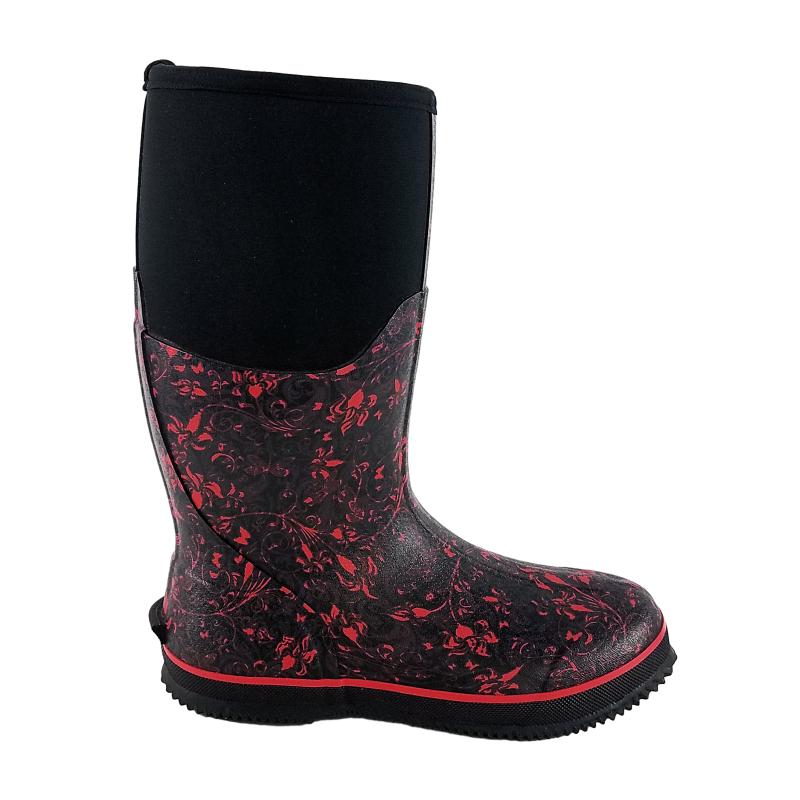
Currently, we are in the era of "Material Fusion," where recycled polymers and high-tenacity nylon are blended with traditional rubber. This allows for the creation of women's upland boots that offer the same structural integrity as men's gear but with an optimized anatomical fit for female hunters and hikers.

Future Development Trends

Biodegradable Polymer Integration

Driven by Peru's commitment to Amazonian preservation, the next 3 years will see a shift toward bio-based rubber and biodegradable textiles to reduce the environmental footprint of disposable outdoor gear.

Adaptive Compression Systems

Future designs will integrate Boa-style closing systems into mountain boots to allow users to adjust tension on the fly, essential for varying altitudes and foot swelling during high-elevation climbs.

Nano-Coating Hydrophobicity

Moving beyond membranes, nano-scale surface treatments will be applied to textile uppers to provide permanent water-repellency without sacrificing the breathability needed in tropical Peru.

Industry Trends and Future Outlook

Strategic foresight for the Peruvian textile and footwear manufacturing sector.

Sustainable Sourcing
Transitioning to FSC-certified rubber and recycled PET textiles to meet EU and North American export standards from Peru.
Ergonomic Specialization
Implementing 3D foot scanning to create custom lasts for the diverse foot morphologies found in Peruvian regional populations.
Hybrid Materiality
Combining carbon-fiber shanks with rubber outsoles for superior stability in mountain trekking.
Climate-Adaptive Textiles
Developing fabrics that react to temperature changes, providing warmth in the Andes and cooling in the jungle.

Industry Outlook

The trajectory of the footwear industry in Peru is shifting toward high-value specialization. Rather than competing on mass production, local manufacturers are focusing on "extreme environment" niches. This is evidenced by the rising search volume for professional-grade gear that combines waterproof rubber with high-tech textiles.

Over the next 5 years, we expect a convergence of digital manufacturing and sustainable chemistry. The integration of AI-driven design will allow for the rapid prototyping of boots tailored to specific Peruvian micro-climates, ensuring maximum protection and performance for outdoor professionals.

Localized Application Scenarios in Peru

Practical deployments of specialized footwear across Peruvian terrains.

01. Amazon Basin Biodiversity Research

Researchers navigating the Loreto region utilize snake proof rubber boots to protect against Bothrops and Crotalus species while maintaining textile breathability in 90% humidity.

02. High-Altitude Andean Expeditions

Professional guides in Cusco and Huaraz employ mountain hunting boots to navigate steep, rocky slopes where ankle stability and thermal insulation are critical for survival.

03. Coastal Wetland Fishing and Foraging

Artisanal fishers in the northern coastal mangroves use hunting and fishing hiking boots that combine waterproof rubber lower sections with flexible textile uppers for ease of movement.

04. Puna Grassland Game Management

Wildlife managers tracking fauna in the high Puna regions utilize deer stalking boots, designed for acoustic dampening and camouflage in sparse alpine vegetation.

05. Women's Adventure Tourism in Sacred Valley

The growing sector of female outdoor enthusiasts uses women's upland boots, which provide the necessary arch support and durability for multi-day treks through varied terrain.

Brand Story

Global Development History of Baoding Landwalk Outdoor Products Co., Ltd.

Foundational Engineering

Established with a mission to solve the conflict between heavy-duty protection and wearer comfort in the industrial footwear sector.

Textile Innovation Leap

Integrated advanced waterproof membranes and ripstop textiles into rubber boot constructions, redefining the "waterproof" standard.

Global Market Expansion

Expanded operations to South America, adapting designs to the specific challenges of the Peruvian and Brazilian ecosystems.

Eco-Friendly Pivot

Launched a series of sustainable product lines using recycled materials without compromising the safety ratings of protective gear.

Industry Leadership

Recognized as a leading provider of specialized outdoor footwear, merging industrial manufacturing precision with outdoor performance.

Complete Professional Footwear Portfolio for Peru

A curated selection of boots engineered for the Amazon, Andes, and Coastal regions.

Frequently Asked Questions for the Peruvian Market

Expert answers to common queries regarding specialized outdoor footwear.

Are snake proof rubber boots effective against Amazonian pit vipers?

Yes, our boots utilize high-density puncture-resistant layers integrated with the rubber to prevent fang penetration from most common Amazonian species.

How do mountain hunting boots perform in high-altitude Andean climates?

They are engineered with thermal-regulating textile linings and high-traction outsoles to maintain grip on slippery volcanic rocks and keep feet warm.

What makes hunting and fishing hiking boots suitable for humid coastal areas?

The combination of a waterproof rubber base and a breathable textile upper prevents moisture buildup while blocking external water ingress.

Are deer stalking boots designed for silence in the wild?

Yes, they feature soft-compound rubber soles and textile uppers that minimize acoustic signatures during movement in forest and grassland.

Do women's upland boots provide the same protection as men's models?

Absolutely. They use the same industrial-grade materials and puncture-resistant technologies, but are designed with a female-specific ergonomic last.

How to maintain rubber and textile boots in Peru's acidic jungle soil?

We recommend rinsing with fresh water after each use and applying a specialized rubber conditioner to prevent the acidic soil from degrading the material.

Get Expert Footwear Guidance

Ready to optimize your outdoor gear for the diverse landscapes of Peru? Our engineering team is here to help you choose the right protection.

Contact Us Now

If you are interested in our products, you can choose to leave your information here, and we will be in touch with you shortly.