



Feb . 11, 2026 02:00
Back to list
Choosing the Best Saltwater Wade Fishing Boots for Ultimate Performance
Choosing the Right Saltwater Wade Fishing Boots for Your Adventure
Wading into saltwater flats for a thrilling fishing experience demands specialized gear, and your boots are paramount. Saltwater wade fishing boots aren’t just footwear; they’re your connection to the aquatic environment, offering protection, traction, and comfort. This article delves into the key features to look for, materials, fit, and maintenance, helping you make an informed decision. Investing in the right boots enhances your fishing success and overall enjoyment on the water. Landwalk Outdoor offers a comprehensive selection designed for diverse conditions.
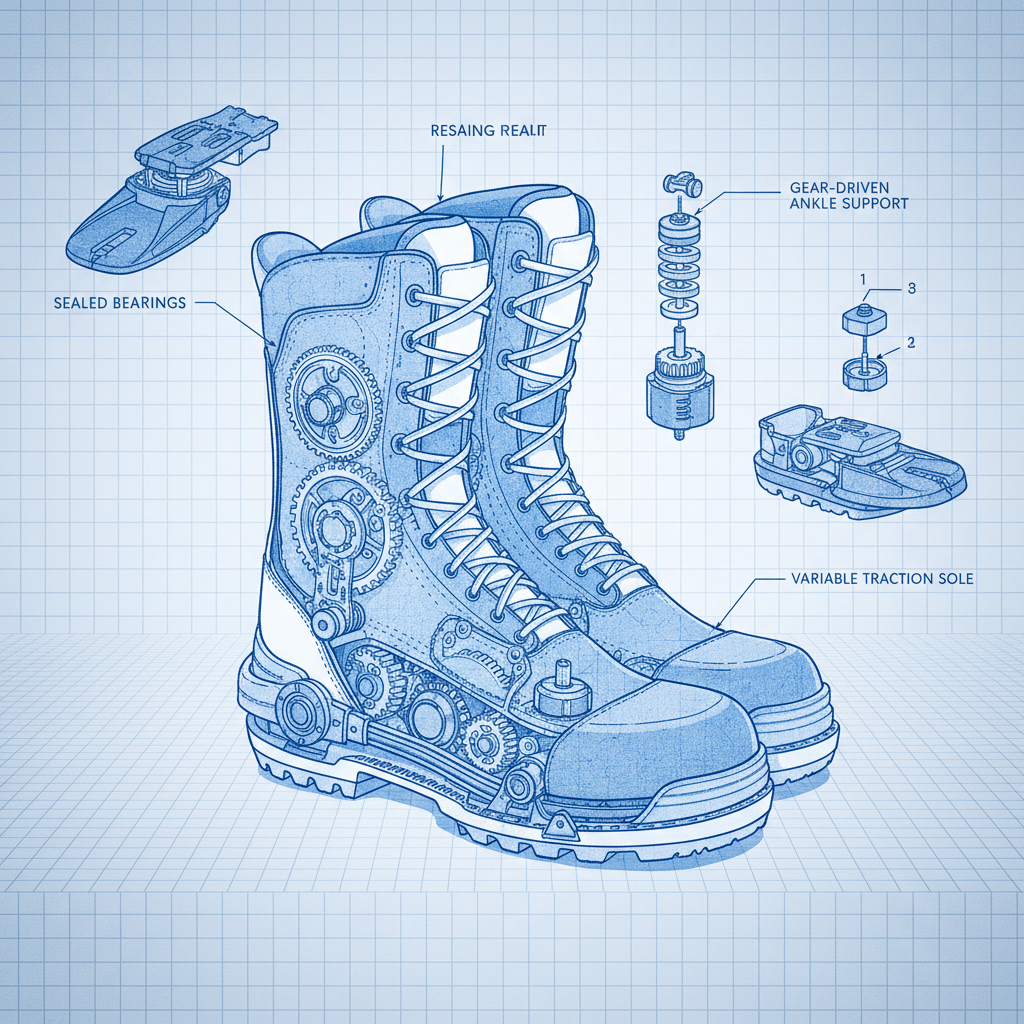
Key Features to Consider in Saltwater Wade Fishing Boots
Before purchasing, several features deserve careful consideration. Durability is crucial, as saltwater is highly corrosive. Look for boots constructed with materials resistant to salt degradation. Traction is another vital aspect; a quality sole provides a secure grip on slippery rocks and muddy flats. Waterproofness is essential to keep your feet dry and comfortable, preventing blisters and chafing. Consider the ankle support provided; a supportive boot reduces fatigue and the risk of injury. Finally, evaluate the compatibility with wading socks or studs for customized traction.
Essential Features: Durability, Traction, Waterproofness, Ankle Support, Compatibility with Wading Socks/Studs.
Understanding Boot Materials: A Deep Dive
The materials used in saltwater wade fishing boots significantly impact their performance and longevity. Hypalon is a durable synthetic rubber known for its resistance to abrasion and saltwater. Felt soles offer excellent traction on submerged surfaces, but are often restricted in certain areas due to invasive species concerns. Rubber soles provide good all-around traction and are generally permitted everywhere. Leather, while comfortable, requires more maintenance to prevent cracking and salt damage. The upper material is also critical; reinforced nylon or synthetic leather offer a good balance of durability and flexibility. Landwalk Outdoor's boots utilize a blend of these materials for optimal performance.
Material Benefits:
• Hypalon: Excellent abrasion and saltwater resistance
• Felt: Superior traction on submerged surfaces
• Rubber: Good all-around traction, universally permitted
• Leather: Comfort, but requires extensive maintenance
Saltwater Wade Fishing Boots: A Comparison of Sole Types
Choosing the right sole type for your saltwater wade fishing boots depends on the terrain you’ll be encountering. Felt soles excel on slick, mossy rocks, providing unparalleled grip. Rubber soles are more versatile and durable, performing well on a variety of surfaces. Studded soles offer the ultimate traction in extremely slippery conditions, especially when combined with wading socks. It's essential to check local regulations regarding felt soles, as some areas prohibit their use to prevent the spread of invasive species.
Proper Fit and Maintenance for Longevity
A proper fit is crucial for comfort and performance. Your boots should be snug but not constricting, allowing for adequate circulation. Always wear the wading socks you intend to use when trying on boots. After each use, rinse your saltwater wade fishing boots thoroughly with fresh water to remove salt residue. Allow them to air dry completely away from direct sunlight. Regularly inspect for any signs of damage, such as cracks or tears, and address them promptly. Proper maintenance extends the life of your investment and ensures continued protection.
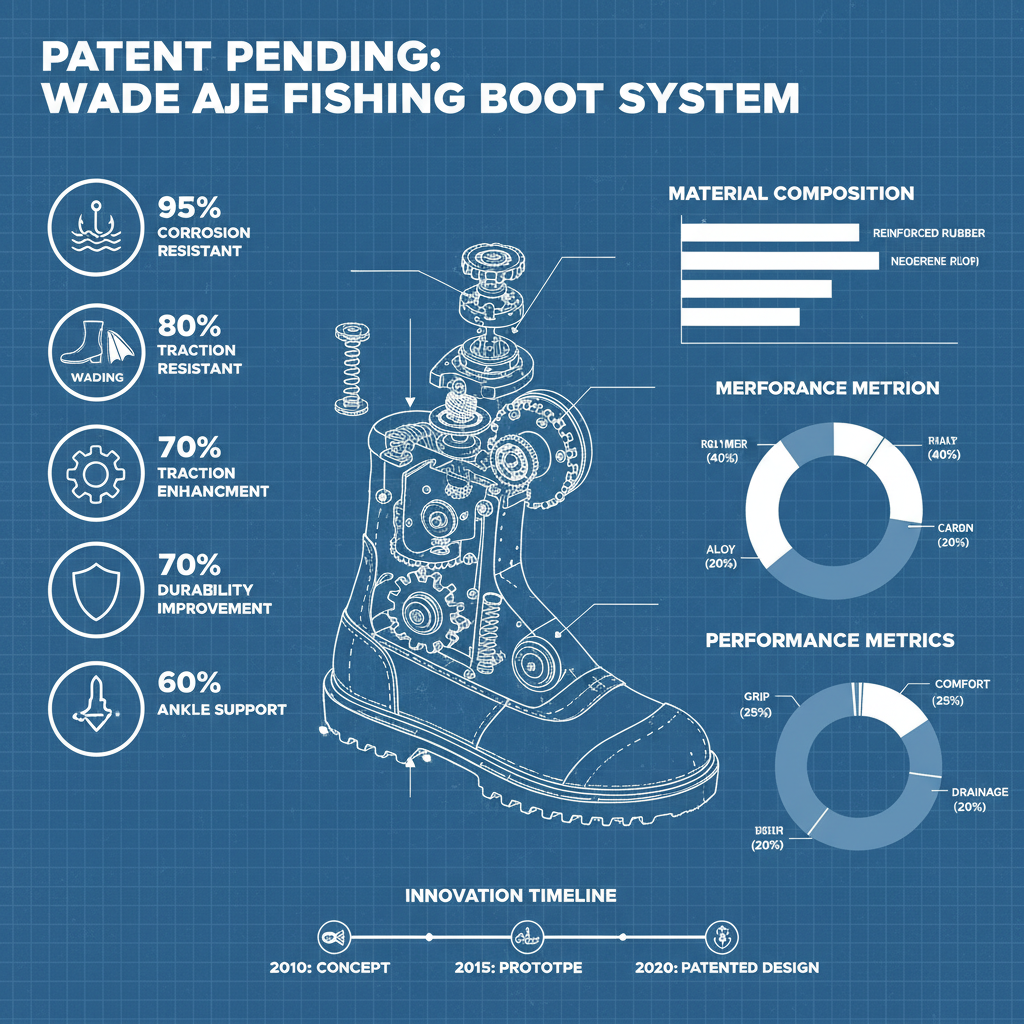
Landwalk Outdoor: Your Trusted Source for Saltwater Wade Fishing Boots
At Landwalk Outdoor, we understand the demands of saltwater fishing. We offer a wide range of high-quality saltwater wade fishing boots designed for comfort, durability, and performance. Our expert team is dedicated to helping you find the perfect pair to match your needs and budget. Browse our selection today and experience the difference quality footwear can make!
Conclusion: Step into Confidence with the Right Boots
Investing in the right saltwater wade fishing boots is an investment in your safety, comfort, and success on the water. By considering the features, materials, and fit discussed in this guide, you can confidently choose boots that will withstand the harsh saltwater environment and provide years of reliable performance. Landwalk Outdoor is here to help you every step of the way.
Frequently Asked Questions (FAQs)
How do I properly care for my saltwater wade fishing boots?
Proper care is essential for extending the life of your boots. After each use, thoroughly rinse them with fresh water, paying close attention to areas where salt can accumulate. Allow them to air dry completely in a shaded, well-ventilated area – avoid direct sunlight, which can damage the materials. Regularly inspect your boots for any signs of wear and tear, such as cracks, tears, or loose seams. If you find any damage, address it promptly to prevent it from worsening. Storing your boots in a cool, dry place will also help to preserve their condition. Applying a leather conditioner (if applicable) can help keep the leather supple and prevent cracking.
What size wading socks should I wear with my boots?
When selecting wading socks, it’s best to choose a size that is slightly smaller than your shoe size. This will ensure a snug fit inside the boot, minimizing movement and preventing blisters. However, avoid socks that are too tight, as this can restrict circulation. It's ideal to try on the socks with your boots to confirm the fit. Consider the thickness of the socks as well; thicker socks will take up more space inside the boot. Landwalk Outdoor offers a variety of wading sock options to complement our boot selection.
Can I add studs to my saltwater wade fishing boots?
Yes, many saltwater wade fishing boots are designed to accommodate studs for added traction on extremely slippery surfaces. However, it’s important to ensure that your boots are compatible with studs and to use the correct type of studs for your boots. Follow the manufacturer’s instructions for installing studs carefully. Adding studs can significantly improve your grip on rocky or muddy bottoms, enhancing your safety and fishing performance. Always check local regulations regarding the use of studded boots, as some areas may restrict their use.
How often should I replace my saltwater wade fishing boots?
The lifespan of your boots depends on usage frequency and the harshness of the environment. Generally, you should replace your boots every 2-5 years, even if they appear to be in good condition. Saltwater can cause gradual deterioration of the materials, weakening the boots over time. Signs that it's time to replace your boots include cracks, tears, loose seams, or significant loss of traction. Regularly inspecting your boots and addressing any damage promptly can help extend their lifespan, but eventually, replacement is necessary to ensure your safety and comfort.
Latest news
-
Ultimate Guide to Choosing the Best Farmers Wellington BootsNewsApr.16,2026
-
The Ultimate Guide to Choosing the Best Professional Farming WelliesNewsApr.09,2026
-
Comprehensive Guide to Choosing the Perfect Field Wellies for Outdoor AdventuresNewsApr.07,2026
-
Choosing the Right Fit for Good Quality Wellies and Outdoor AdventuresNewsApr.04,2026
-
Choosing the Right Fit A Comprehensive Guide to Good Wellies and Outdoor FootwearNewsMar.31,2026
-
Choosing the Right Footwear A Comprehensive Guide to Good Wellington BootsNewsMar.28,2026
-
Choosing the Right Hard Wearing Wellies for Outdoor AdventuresNewsMar.26,2026