



Mar . 10, 2026 01:55
Back to list
Choosing the Perfect Pair of Navy Blue Wellies for Outdoor Adventures
Navy Blue Wellies: A Comprehensive Guide to Choosing the Best Pair
When it comes to outdoor work or leisurely countryside adventures, a reliable pair of wellington boots – or wellies as they’re commonly known – are essential. But with so many options available, choosing the right pair can be overwhelming. This guide will explore everything you need to know about navy blue wellies, covering their benefits, key features, and how to select the perfect fit for your needs. Whether you're a farmer, gardener, dog walker, or festival-goer, having comfortable and waterproof footwear is paramount.
Why Choose Navy Blue Wellies?
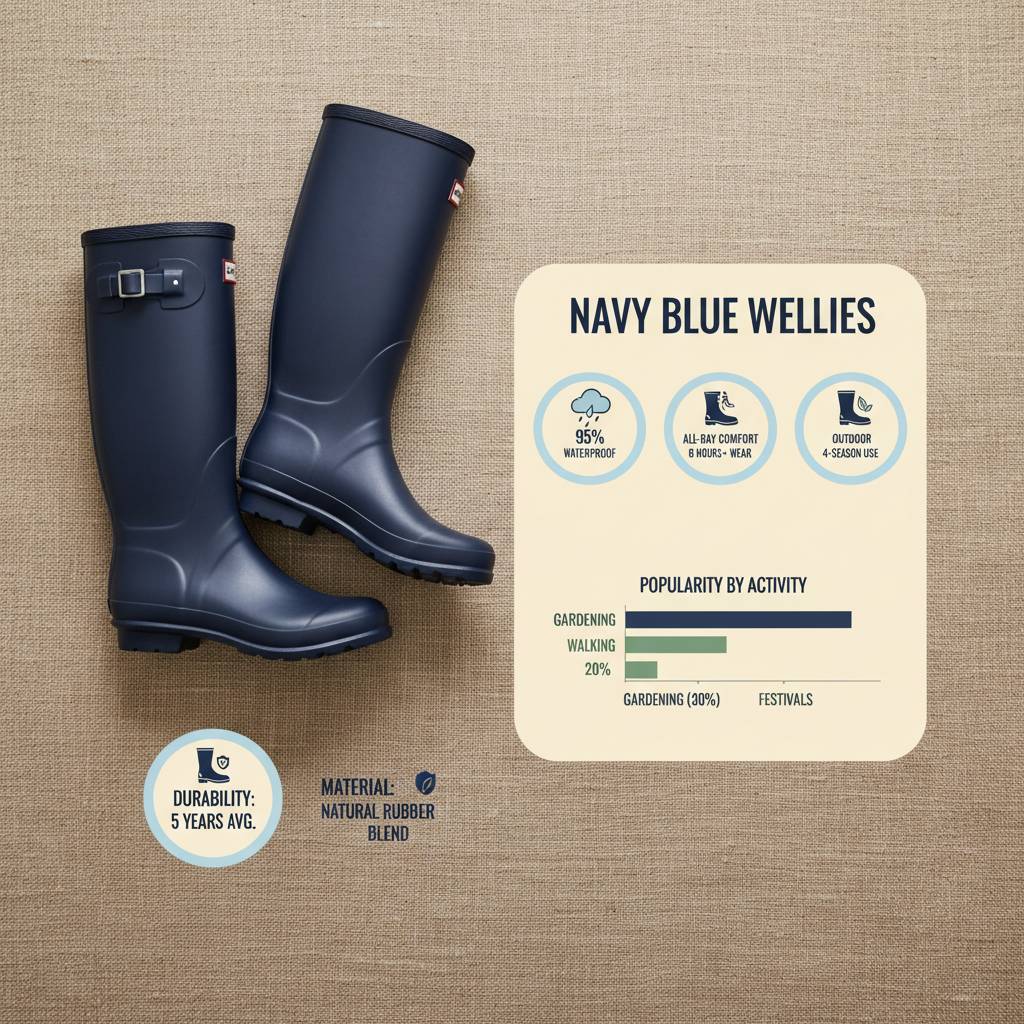
Navy blue is a classic and versatile color for wellington boots. It's practical, disguising mud and dirt effectively, while also offering a stylish alternative to brighter colors. Navy blue wellies are suitable for a wide range of activities, from agricultural work to casual outdoor wear. The darker hue provides a more understated look, making them appropriate for both professional and recreational settings. They also tend to be readily available and often offer a good balance between price and quality.
Key Benefits: Practical color, versatile style, readily available, good value for money, effectively hides dirt.
Essential Features to Look for in Navy Blue Wellies
Beyond the color, several key features determine the quality and comfort of your wellies. Waterproof construction is, of course, paramount. Look for boots made from durable PVC or natural rubber. A good grip is also crucial, especially if you'll be working on slippery surfaces. Consider boots with a deep tread pattern for enhanced traction. Comfort features, such as cushioned insoles and adjustable buckles, can make a significant difference, especially if you’ll be wearing them for extended periods. Finally, check for reinforced toes and heels for added protection and durability. Landwalk Outdoor offers a range of wellies designed with these features in mind.
Key Features Checklist:
• Waterproof construction (PVC or rubber)
• Deep tread pattern for grip
• Cushioned insoles for comfort
• Reinforced toes and heels for protection
Navy Blue Wellies: Material Comparison
The material of your wellies significantly impacts their durability, comfort, and price. PVC wellies are generally more affordable but can become brittle in cold weather. Natural rubber wellies are more flexible and comfortable, offering better grip and longevity, but they are typically more expensive. Some wellies combine both materials for a balance of cost and performance. Consider your primary use case when choosing the material. For heavy-duty work, natural rubber is a better investment. For occasional use, PVC may suffice.
Finding the Right Fit: A Guide to Sizing
Proper fit is crucial for comfort and safety. Wellies that are too small will be uncomfortable and can cause blisters. Wellies that are too large can lead to slipping and reduced control. To determine your size, measure your foot length in centimeters or inches. Refer to the manufacturer's sizing chart, as sizes can vary between brands. It's generally recommended to wear thick socks when trying on wellies to ensure a comfortable fit. Consider also the width of your foot; some brands offer wide-fit options. Landwalk Outdoor provides detailed sizing information on its website.
Caring for Your Navy Blue Wellies
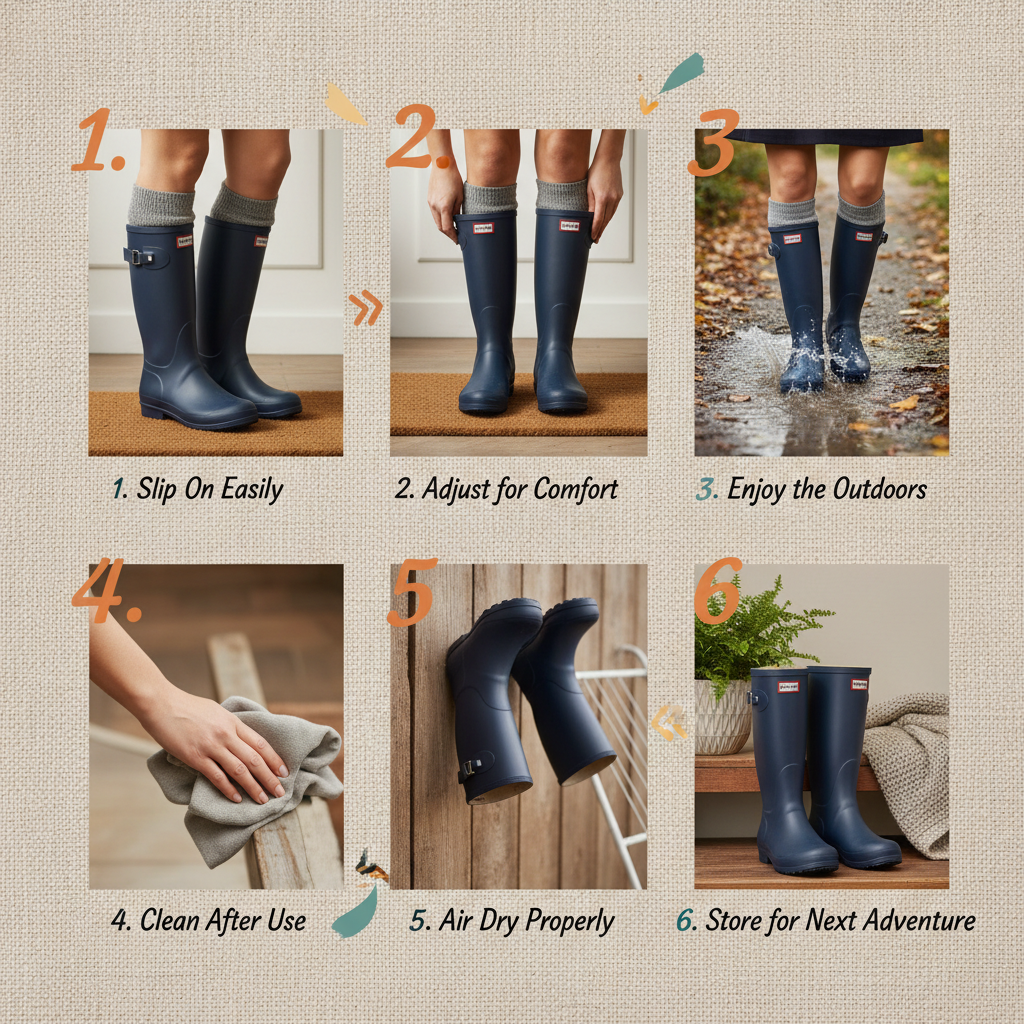
To prolong the life of your navy blue wellies, proper care is essential. After each use, rinse them thoroughly with clean water to remove mud and dirt. Avoid using harsh detergents or abrasive cleaners, as these can damage the material. Store your wellies in a cool, dry place away from direct sunlight. Consider using wellie socks to absorb moisture and prevent blisters. Regularly inspect your wellies for any signs of damage, such as cracks or tears.
Conclusion: Stepping Out in Style and Comfort
Choosing the right pair of navy blue wellies involves considering material, fit, and features. By understanding your needs and prioritizing quality, you can find a pair that will provide years of reliable service. Landwalk Outdoor offers a diverse selection of wellies to suit every requirement. Invest in a quality pair and enjoy your outdoor adventures in comfort and style!
Frequently Asked Questions (FAQs)
What size wellies should I buy?
Determining the correct wellie size is vital for comfort and safety. It’s best to measure your foot length in centimeters or inches while wearing the socks you intend to wear with your wellies. Then, consult the specific sizing chart provided by the manufacturer, as sizes can differ between brands. Generally, it's advisable to allow for some extra space to accommodate thicker socks or potential swelling during prolonged use. If you're between sizes, it's usually better to choose the larger size to avoid cramping. Remember to try on both wellies, as feet can be slightly different sizes.
Are navy blue wellies suitable for all weather conditions?
Navy blue wellies are excellent for wet and muddy conditions, providing reliable waterproof protection. However, they may not be ideal for extremely cold weather, particularly if they are made of PVC, as the material can become brittle in freezing temperatures. For cold weather, consider wellies with a thermal lining or neoprene construction. While navy blue doesn’t absorb heat like darker colors, they still perform well in a wide range of temperatures as long as appropriate socks are worn.
How do I clean and store my navy blue wellies?
Cleaning your navy blue wellies is simple. After each use, rinse them thoroughly with clean water to remove any mud, dirt, or debris. Avoid using harsh detergents or abrasive cleaners, as they can damage the material. For stubborn stains, you can use a mild soap and water solution. To dry, wipe them down with a clean cloth and allow them to air dry completely. Store your wellies in a cool, dry place away from direct sunlight and extreme temperatures. Avoid storing them folded or bent, as this can cause creases and damage.
What are wellie socks and why should I wear them?
Wellie socks are specially designed socks worn inside wellington boots to enhance comfort and prevent blisters. They are typically made from moisture-wicking materials like merino wool or synthetic blends, which help to keep your feet dry and comfortable. Many wellie socks also feature cushioning in key areas, such as the heel and toes, to reduce friction and provide added support. Wearing wellie socks can significantly improve your experience, especially during prolonged wear or when walking long distances.
Latest news
-
Ultimate Guide to Choosing the Best Farmers Wellington BootsNewsApr.16,2026
-
The Ultimate Guide to Choosing the Best Professional Farming WelliesNewsApr.09,2026
-
Comprehensive Guide to Choosing the Perfect Field Wellies for Outdoor AdventuresNewsApr.07,2026
-
Choosing the Right Fit for Good Quality Wellies and Outdoor AdventuresNewsApr.04,2026
-
Choosing the Right Fit A Comprehensive Guide to Good Wellies and Outdoor FootwearNewsMar.31,2026
-
Choosing the Right Footwear A Comprehensive Guide to Good Wellington BootsNewsMar.28,2026
-
Choosing the Right Hard Wearing Wellies for Outdoor AdventuresNewsMar.26,2026