



Feb . 25, 2026 01:55
Back to list
Comprehensive Guide to Choosing the Best Safety Wellington Boots for Your Needs
Choosing the Right Safety Wellington Boots: A Comprehensive Guide
When working in demanding environments, prioritizing safety is paramount. One often overlooked yet crucial piece of protective gear is the safety wellington boot. These boots aren't just about keeping your feet dry; they offer essential protection against a variety of hazards, from punctures and impacts to slips and chemical exposure. This guide will delve into the world of safety wellington boots, helping you understand their features, benefits, and how to choose the perfect pair for your needs. Investing in quality safety footwear is a vital step towards a safer and more productive work environment.
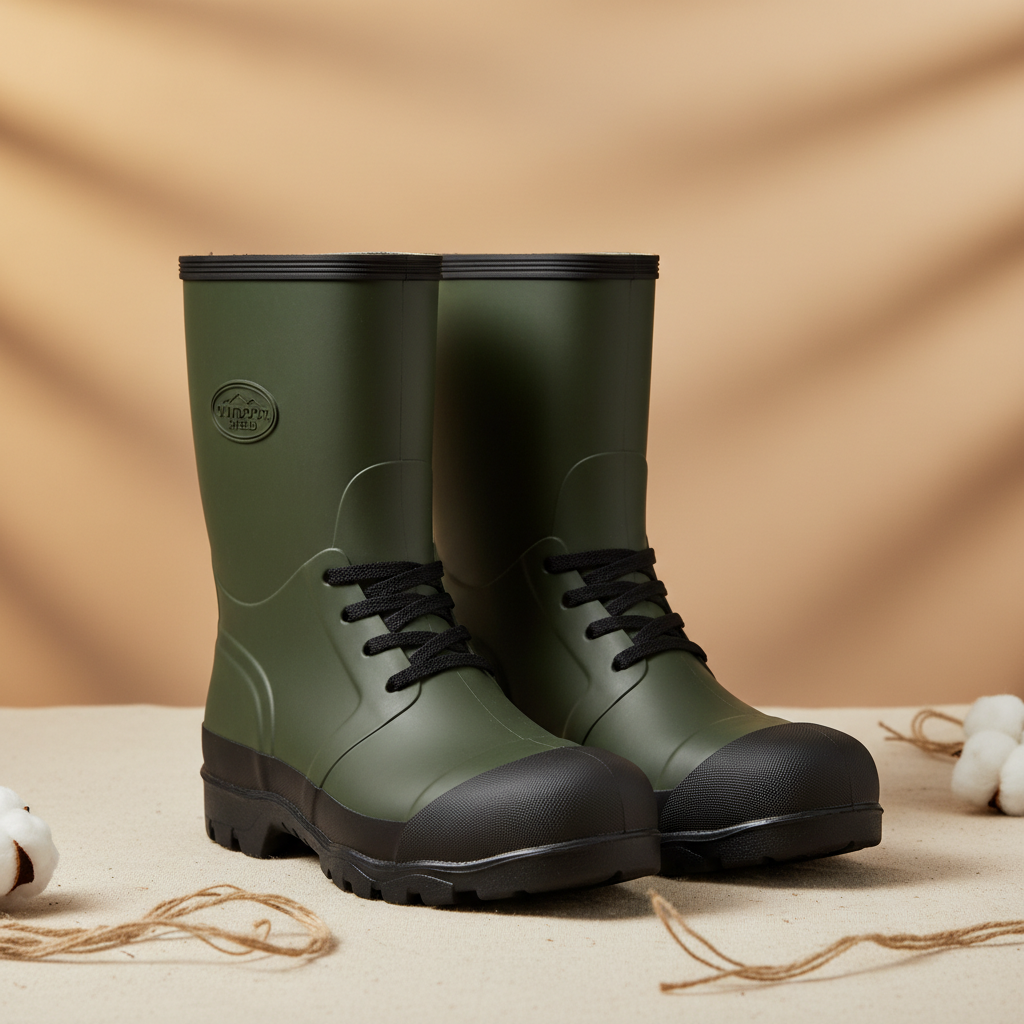
Understanding the Core Features of Safety Wellington Boots
Modern safety wellington boots boast a range of features designed to protect your feet in various work scenarios. Key features include steel or composite toe caps for impact resistance, puncture-resistant midsoles to prevent injuries from sharp objects, and slip-resistant outsoles for secure footing on slippery surfaces. Many boots also offer waterproofing, chemical resistance, and insulation for different weather conditions. Beyond these core protections, look for comfortable features like padded insoles and ergonomic designs to reduce fatigue during long workdays. The quality of materials used, such as the rubber or PVC construction, significantly impacts durability and performance. At Landwalk Outdoor, we prioritize using high-grade materials to ensure long-lasting protection.
Key Highlights: Safety wellington boots offer a combination of impact, puncture, and slip resistance, crucial for preventing workplace injuries. Consider waterproof and chemical-resistant options depending on your specific work environment.
Materials Matter: Rubber vs. PVC Wellington Boots
The material of your safety wellington boots significantly impacts their performance and longevity. Rubber wellington boots are renowned for their durability, flexibility, and excellent resistance to a wide range of chemicals and temperatures. They are generally more expensive than PVC alternatives but offer superior protection and a longer lifespan. PVC (Polyvinyl Chloride) wellington boots are lighter and more cost-effective, making them a popular choice for less demanding environments. However, PVC is less resistant to oil, grease, and certain chemicals, and can become brittle in extreme temperatures. The choice between rubber and PVC depends on your specific workplace hazards and budget.
Material Comparison:
• Rubber: Durable, flexible, high chemical resistance, wider temperature range, higher cost.
• PVC: Lightweight, cost-effective, limited chemical resistance, less flexible, lower temperature range.
Safety Standards and Certifications for Wellington Boots
When purchasing safety wellington boots, always check for relevant safety certifications. The most common standard is EN ISO 20345, which specifies requirements for safety footwear, including impact resistance, compression resistance, and slip resistance. Additional certifications, such as EN ISO 20349 for electrically conductive footwear and EN 13832 for chemical resistance, may be necessary depending on your specific work environment. These certifications guarantee that the boots have been rigorously tested and meet the required safety standards. Look for the certification markings on the boots themselves or in the product documentation. Landwalk Outdoor ensures all our safety wellington boots comply with relevant industry standards.
Choosing the Right Fit and Features for Optimal Comfort
A proper fit is critical for ensuring both comfort and safety. Wellington boots should fit snugly around your ankles and feet, without being too tight or restrictive. Consider wearing the socks you typically wear for work when trying on boots. Look for features like padded insoles and arch support to reduce fatigue during long periods of standing or walking. Additional features, such as adjustable gussets, can help customize the fit. Properly fitted boots will not only enhance comfort but also improve stability and reduce the risk of blisters or other foot injuries.
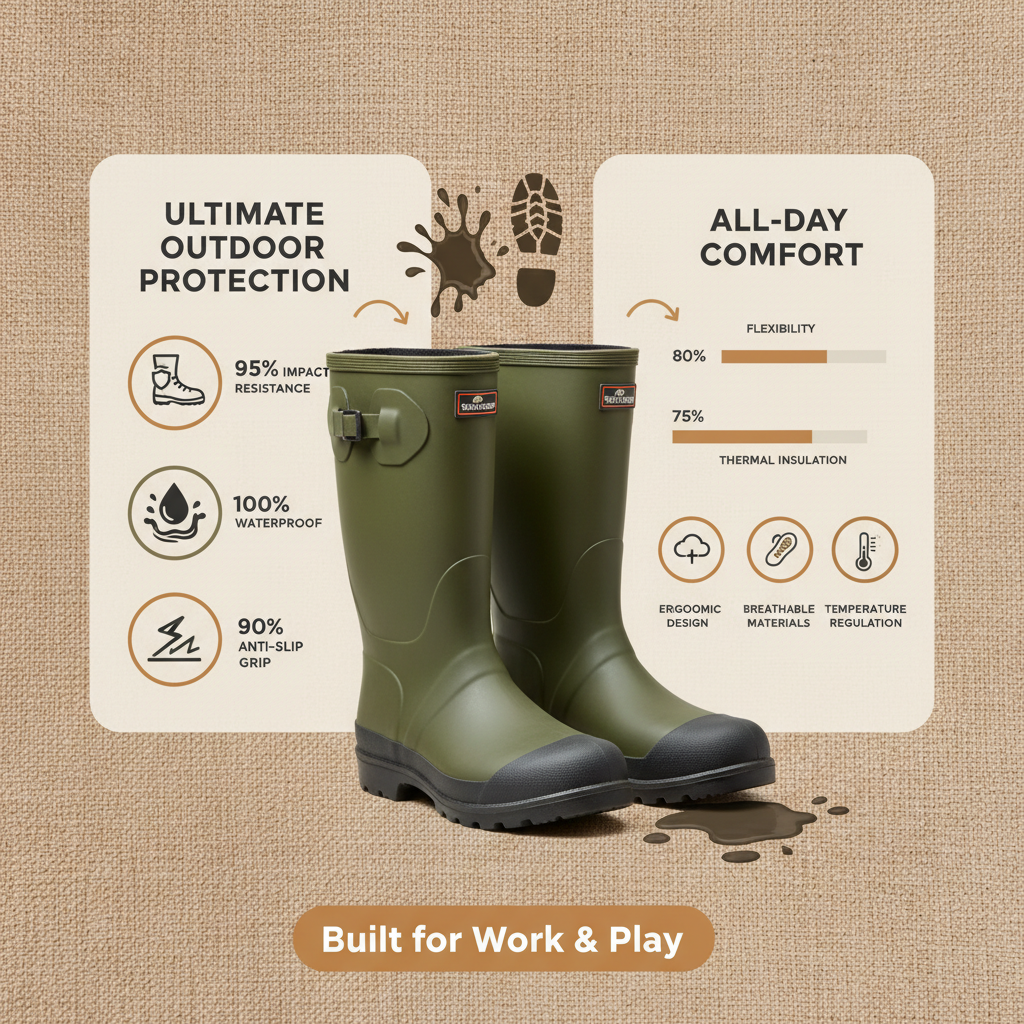
Product Specifications: Landwalk Outdoor Safety Wellington Boots
Here's a quick overview of some of our most popular safety wellington boots:
Conclusion: Protecting Your Feet, Protecting Your Future
Investing in high-quality safety wellington boots is a crucial investment in workplace safety and employee well-being. By understanding the different features, materials, and safety standards, you can choose the perfect pair to protect your feet from a variety of hazards. Don't compromise on safety – choose Landwalk Outdoor for reliable and durable protection.
Frequently Asked Questions (FAQs)
How often should I replace my safety wellington boots?
The replacement frequency depends on usage and the work environment. However, it's generally recommended to replace safety wellington boots every 6-12 months, or sooner if there are visible signs of damage, such as cracks, punctures, or deterioration of the materials. Regular inspection is crucial. Even if there is no visible damage, the protective properties of the boots can degrade over time with constant use. Following manufacturer guidelines is also essential.
What is the importance of a puncture-resistant midsole?
A puncture-resistant midsole is a critical safety feature that protects your feet from sharp objects that could penetrate the sole of the boot, such as nails, glass, or metal shards. This prevents injuries to the foot, which can be severe and debilitating. A puncture-resistant midsole is especially important in construction, warehousing, and other industries where there is a risk of stepping on sharp objects.
Are safety wellington boots suitable for all types of work?
While safety wellington boots offer excellent protection, they are not suitable for all types of work. It's important to assess the specific hazards of your work environment and choose footwear that provides the appropriate level of protection. For example, if you work with electricity, you will need electrically conductive footwear. If you are exposed to chemicals, you will need boots with chemical resistance. Always consult with a safety professional to ensure you are wearing the correct footwear for your job.
Latest news
-
Ultimate Guide to Choosing the Best Farmers Wellington BootsNewsApr.16,2026
-
The Ultimate Guide to Choosing the Best Professional Farming WelliesNewsApr.09,2026
-
Comprehensive Guide to Choosing the Perfect Field Wellies for Outdoor AdventuresNewsApr.07,2026
-
Choosing the Right Fit for Good Quality Wellies and Outdoor AdventuresNewsApr.04,2026
-
Choosing the Right Fit A Comprehensive Guide to Good Wellies and Outdoor FootwearNewsMar.31,2026
-
Choosing the Right Footwear A Comprehensive Guide to Good Wellington BootsNewsMar.28,2026
-
Choosing the Right Hard Wearing Wellies for Outdoor AdventuresNewsMar.26,2026