



Mar . 04, 2026 02:05
Back to list
Comprehensive Guide to Choosing the Best Safety Welly Boots for Workplace Protection
Choosing the Right Safety Welly Boots: A Comprehensive Guide
When working in challenging environments, particularly those involving water, mud, or potentially hazardous materials, the right footwear is critical. Safety welly boots provide essential protection, comfort, and support. This guide will explore the key features, benefits, and considerations when selecting safety welly boots, ensuring you make the best choice for your needs. Proper footwear can significantly reduce the risk of slips, trips, falls, and exposure to harmful substances, contributing to a safer and more productive work environment.
Understanding the Core Features of Safety Welly Boots
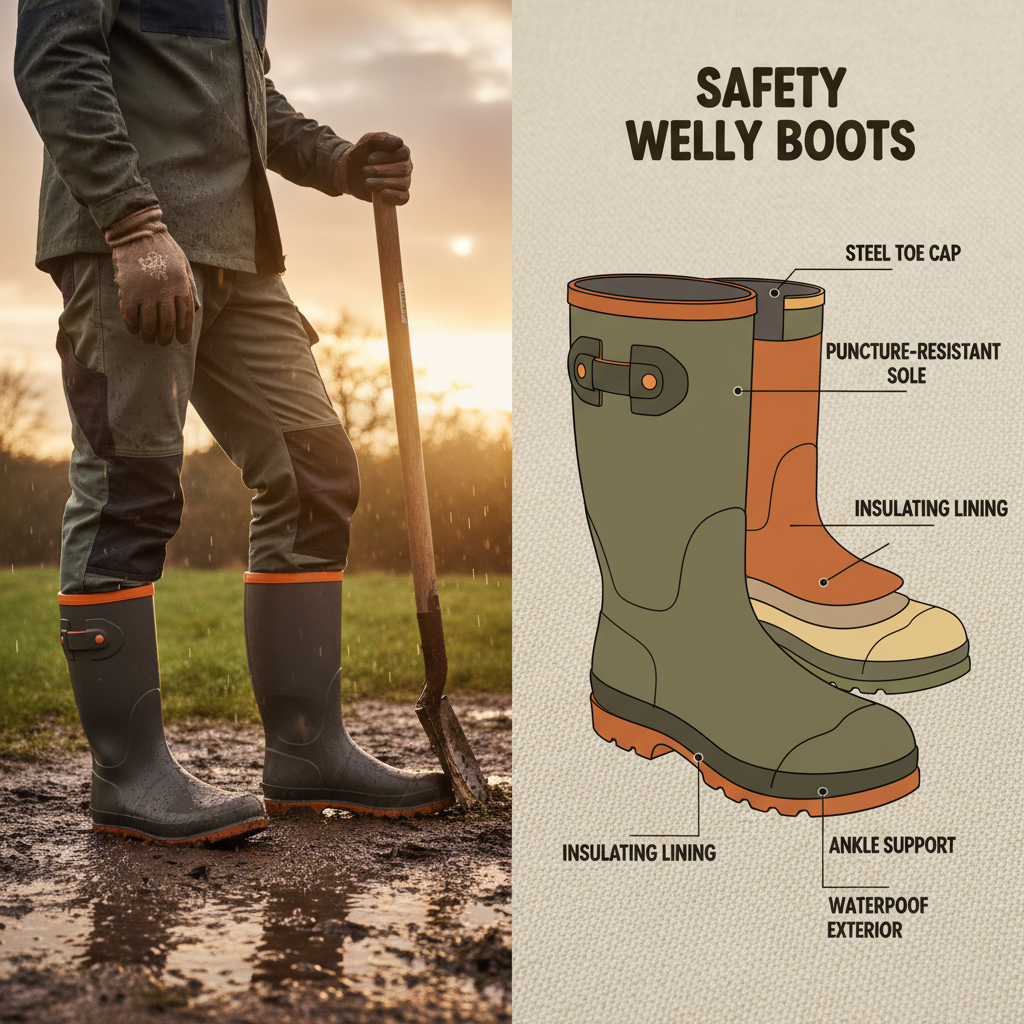
Safety welly boots aren't simply waterproof boots; they're engineered with specific features to protect against a range of workplace hazards. Crucially, look for boots that meet relevant safety standards, such as EN ISO 20345. These standards define requirements for toe protection (impact and compression resistance), slip resistance, and other vital safety aspects. Key features include steel or composite toe caps, puncture-resistant midsoles, robust outsoles with excellent grip, and reinforced uppers. The material of the boot itself (typically PVC or rubber) also plays a role in durability and chemical resistance. Choosing a boot with the right combination of features is essential for ensuring adequate protection in your specific work environment.
Key Highlights: Look for boots conforming to EN ISO 20345 standards, providing impact, compression, and puncture resistance. Reinforced uppers and robust outsoles are essential for durability and grip.
Choosing the Right Material: PVC vs. Rubber Safety Welly Boots
The material of your safety welly boots significantly impacts their performance and suitability for different tasks. PVC (Polyvinyl Chloride) is a cost-effective option, offering good water resistance and chemical resistance to many substances. However, PVC can become stiff in cold temperatures and may not be as durable as rubber. Rubber, on the other hand, provides superior flexibility, durability, and abrasion resistance. It's also more resistant to extreme temperatures and a wider range of chemicals. While generally more expensive, rubber boots often represent a better long-term investment, particularly for demanding work environments. Consider the specific chemicals you'll be exposed to when making your decision – some materials offer better protection against certain substances than others. Landwalk Outdoor offers options in both PVC and rubber to suit diverse needs.
Material Comparison:
• PVC: Cost-effective, good water and chemical resistance, can stiffen in cold.
• Rubber: Superior flexibility, durability, abrasion resistance, wider chemical resistance.
• Cost: Rubber is generally more expensive than PVC.
Safety Welly Boots: Key Safety Standards and Certifications
Understanding safety standards is paramount when selecting safety welly boots. The most common standard is EN ISO 20345, which specifies requirements for protective footwear. This standard covers a wide range of hazards, including toe protection, compression resistance, puncture resistance, slip resistance (rated SRA, SRB, or SRC), and electrical resistance. Other relevant standards include EN ISO 20349 for chainsaw protection and EN 13832 for static dissipative footwear. Always check that the boots you choose are certified to the appropriate standard for your work environment. Look for the CE marking, indicating compliance with European safety regulations. Landwalk Outdoor ensures all its safety boots meet or exceed relevant safety standards.
Selecting Safety Welly Boots Based on Industry Needs
Different industries have unique safety requirements. For example, workers in the agricultural sector may need boots with high chemical resistance to protect against fertilizers and pesticides. Construction workers require boots with robust toe protection and puncture resistance to guard against falling objects and sharp materials. Those working in wet or slippery environments, such as fisheries or food processing plants, need boots with exceptional slip resistance. Understanding the specific hazards of your workplace is crucial for selecting the appropriate safety welly boots. Consider features like steel toe caps, metatarsal guards, and specialized outsoles designed for specific surfaces. Landwalk Outdoor offers a wide range of specialized boots to meet the demands of various industries.
Maintenance and Care for Extended Welly Boot Lifespan
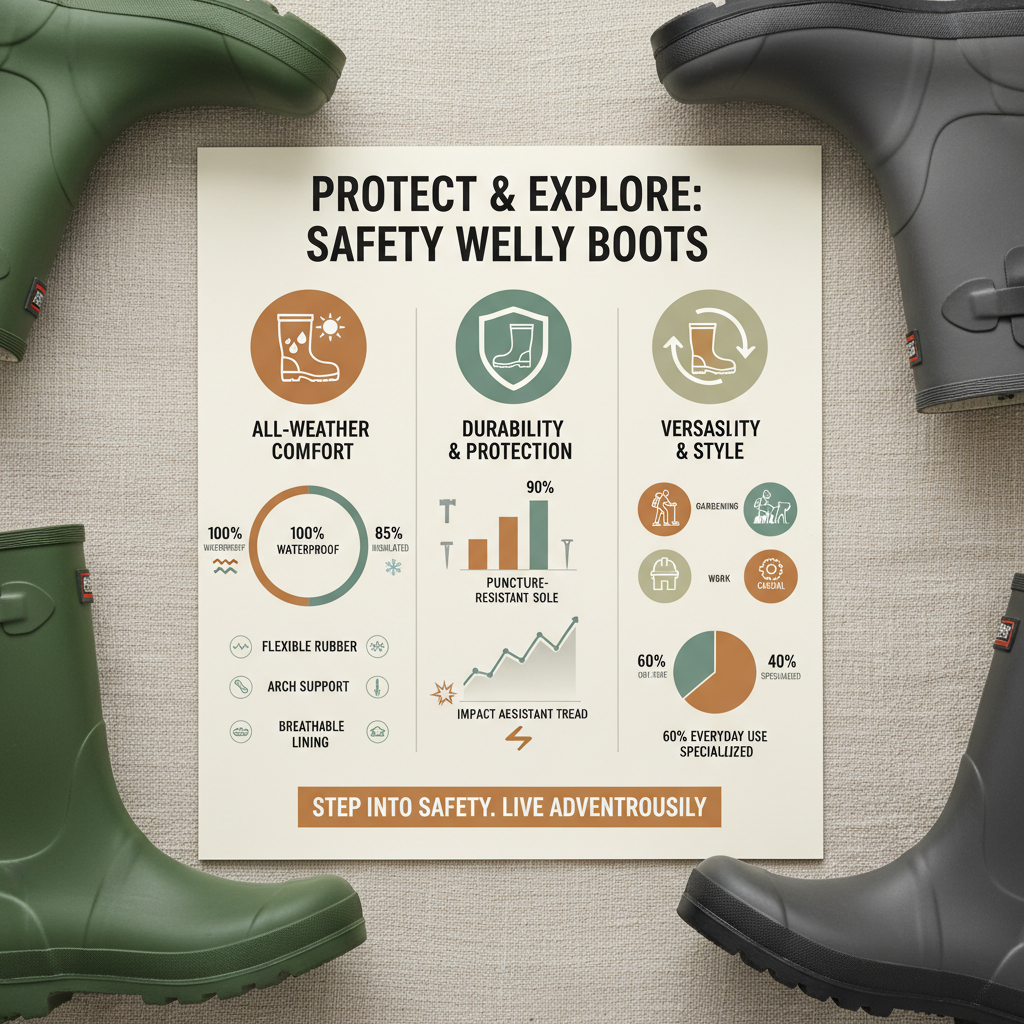
Proper maintenance can significantly extend the life of your safety welly boots. Regularly clean the boots with soap and water to remove dirt, grime, and chemical residues. Avoid using harsh chemicals or abrasive cleaners, as these can damage the material. Store the boots in a cool, dry place away from direct sunlight and extreme temperatures. Inspect the boots regularly for signs of wear and tear, such as cracks, punctures, or sole separation. Replace the boots if any damage is detected. Following these simple maintenance steps will ensure your safety welly boots provide reliable protection for years to come.
Conclusion: Investing in the Right Safety Welly Boots
Investing in high-quality safety welly boots is a crucial step in protecting your feet and ensuring a safe working environment. By considering the features, materials, safety standards, and industry-specific needs, you can select boots that provide optimal protection, comfort, and durability. Don't compromise on safety – choose wisely and prioritize your well-being.
Frequently Asked Questions (FAQs)
What safety standards should I look for in safety welly boots?
The most important safety standard to look for is EN ISO 20345, which covers basic safety footwear requirements, including toe protection, compression resistance, and slip resistance. Depending on your industry, you may also need boots that meet EN ISO 20349 (chainsaw protection) or EN 13832 (static dissipative footwear). Always verify that the boots have the CE marking, indicating compliance with European safety regulations. Choosing boots that meet the relevant standards ensures they provide adequate protection against workplace hazards.
How often should I replace my safety welly boots?
The lifespan of safety welly boots depends on usage and maintenance. Generally, it's recommended to replace them every 12-18 months with regular use, or sooner if you notice any signs of damage, such as cracks, punctures, or sole separation. Even without visible damage, the protective properties of the boots can degrade over time due to wear and tear. Regular inspection and replacement are essential for ensuring continued protection.
What is the importance of slip resistance in safety welly boots?
Slip resistance is critical for preventing slips, trips, and falls, which are a leading cause of workplace injuries. Safety welly boots are rated for slip resistance based on tests on ceramic and steel surfaces, with ratings of SRA (ceramic tile), SRB (steel floor), and SRC (both). Choosing boots with an appropriate slip resistance rating for your work environment is crucial for maintaining a safe footing, especially in wet or oily conditions.
Latest news
-
Ultimate Guide to Choosing the Best Farmers Wellington BootsNewsApr.16,2026
-
The Ultimate Guide to Choosing the Best Professional Farming WelliesNewsApr.09,2026
-
Comprehensive Guide to Choosing the Perfect Field Wellies for Outdoor AdventuresNewsApr.07,2026
-
Choosing the Right Fit for Good Quality Wellies and Outdoor AdventuresNewsApr.04,2026
-
Choosing the Right Fit A Comprehensive Guide to Good Wellies and Outdoor FootwearNewsMar.31,2026
-
Choosing the Right Footwear A Comprehensive Guide to Good Wellington BootsNewsMar.28,2026
-
Choosing the Right Hard Wearing Wellies for Outdoor AdventuresNewsMar.26,2026