



Feb . 28, 2026 01:55
Back to list
Comprehensive Guide to Choosing the Right Work Safety Wellies for Your Needs
Choosing the Right Work Safety Wellies: A Comprehensive Guide
Protecting your feet is paramount when working in demanding environments. Work safety wellies are specifically designed to offer robust protection, comfort, and durability. This article will explore the key features to consider when selecting work safety wellies, the benefits they provide, and how to choose the right pair for your specific needs. Investing in quality wellies can significantly reduce the risk of foot injuries and ensure a safe and comfortable workday. We'll guide you through the options available and help you make an informed decision.
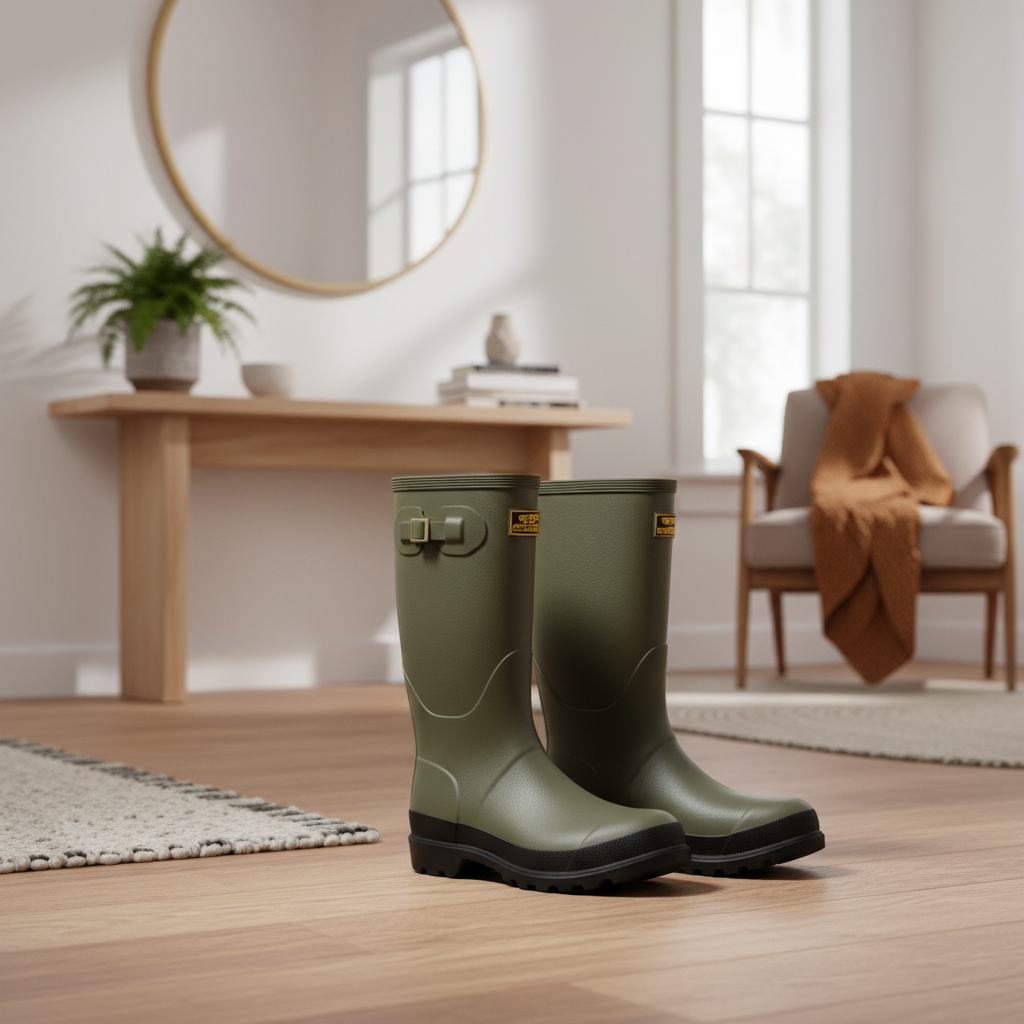
Understanding the Importance of Work Safety Wellies
Work safety wellies aren’t just waterproof boots; they are essential personal protective equipment (PPE). They protect against a range of hazards including punctures, cuts, slips, chemical exposure, and extreme temperatures. Different industries demand different levels of protection. For example, those working in agriculture may need wellies resistant to manure and fertilizers, while construction workers require puncture-resistant soles. Choosing the right wellies is crucial for maintaining a safe working environment and preventing costly injuries. Landwalk Outdoor provides a comprehensive range of wellies suited for diverse work applications.
Key Highlights: Work safety wellies protect against punctures, cuts, slips, chemical exposure, and extreme temperatures. Different industries require different levels of protection.
Key Features to Look for in Work Safety Wellies
When selecting work safety wellies, several key features should be considered. These include the material, the sole, the fit, and any additional safety features. Materials like PVC and rubber offer different levels of flexibility and durability. The sole should provide excellent grip and be resistant to abrasion. A comfortable fit is essential for all-day wear, preventing blisters and fatigue. Additional features like steel toe caps, shin guards, and heat resistance can further enhance safety depending on the work environment. Consider the specific demands of your job when evaluating these features.
Essential Features:
• Material (PVC, Rubber)
• Sole (Grip, Abrasion Resistance)
• Fit (Comfort, All-Day Wear)
• Safety Features (Steel Toe, Shin Guards)
PVC vs. Rubber Work Safety Wellies: A Comparison
PVC (Polyvinyl Chloride) and rubber are the two most common materials used in work safety wellies. PVC wellies are generally more affordable and offer good resistance to chemicals, oils, and fats. However, they can be less flexible and durable than rubber wellies. Rubber wellies offer superior flexibility, insulation, and abrasion resistance, making them ideal for colder environments and demanding tasks. The best choice depends on your specific needs and budget. Landwalk Outdoor offers both PVC and rubber wellies to cater to a wide range of requirements.
Choosing the Right Fit: Ensuring Comfort and Safety
A proper fit is critical for work safety wellies. Ill-fitting wellies can cause blisters, discomfort, and even increase the risk of accidents. Measure your feet accurately and consult the size chart provided by the manufacturer. Ensure there's enough room for comfortable movement but not so much that your foot slides around. Wearing appropriate socks is also important. Landwalk Outdoor provides detailed sizing information and advice to help you find the perfect fit.
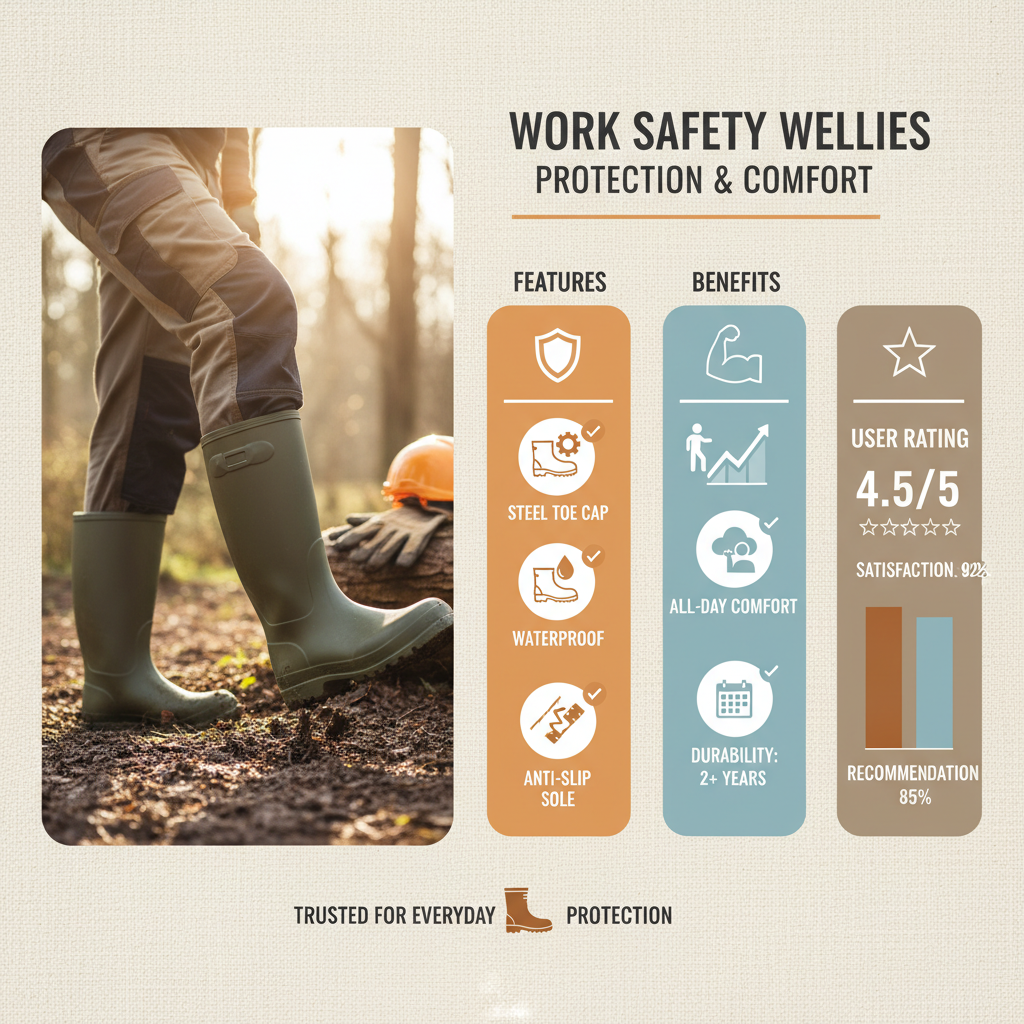
Industries Benefitting from Work Safety Wellies
Numerous industries rely on work safety wellies to protect their workforce. These include agriculture, construction, fishing, food processing, healthcare, and waste management. Each industry has specific requirements for wellie features, such as chemical resistance, puncture resistance, and slip resistance. Landwalk Outdoor caters to these diverse needs with a specialized range of wellies.
Conclusion: Investing in Foot Protection
Investing in quality work safety wellies is a crucial step in protecting your workforce and ensuring a safe working environment. Consider the specific hazards of your job, choose the right materials and features, and prioritize a comfortable fit. Landwalk Outdoor offers a wide selection of wellies to meet your needs and provide reliable foot protection.
Frequently Asked Questions (FAQs)
How often should I replace my work safety wellies?
The replacement frequency depends on usage and wear. Inspect your wellies regularly for cracks, cuts, or punctures. Even without visible damage, replace them annually or after prolonged exposure to harsh chemicals or UV light. If the soles are significantly worn or the wellies lose their waterproof properties, it’s time for a replacement. Prioritize safety and replace wellies when their protective capabilities are compromised.
What safety standards should I look for?
Look for wellies that comply with relevant safety standards, such as EN ISO 20345 (safety footwear) and EN ISO 20349 (electrical hazard footwear). These standards ensure the wellies have undergone rigorous testing and meet specific requirements for impact resistance, puncture resistance, and slip resistance. Always verify that the wellies are certified and meet the standards applicable to your work environment.
Are steel toe wellies suitable for all workplaces?
Steel toe wellies are ideal for workplaces where there's a risk of falling objects or compression injuries. However, they may not be suitable for all environments. In some cases, non-metallic toe caps may be required due to security concerns or electrical hazards. Assess the specific hazards of your workplace and choose wellies with the appropriate toe protection.
How do I care for my work safety wellies to prolong their lifespan?
Rinse your wellies with clean water after each use to remove dirt, mud, and chemicals. Store them in a cool, dry place away from direct sunlight and heat sources. Avoid using harsh cleaning agents or abrasive materials. Regularly inspect them for damage and replace them when necessary. Proper care and maintenance will significantly extend the lifespan of your wellies and ensure they continue to provide reliable protection.
Latest news
-
Ultimate Guide to Choosing the Best Farmers Wellington BootsNewsApr.16,2026
-
The Ultimate Guide to Choosing the Best Professional Farming WelliesNewsApr.09,2026
-
Comprehensive Guide to Choosing the Perfect Field Wellies for Outdoor AdventuresNewsApr.07,2026
-
Choosing the Right Fit for Good Quality Wellies and Outdoor AdventuresNewsApr.04,2026
-
Choosing the Right Fit A Comprehensive Guide to Good Wellies and Outdoor FootwearNewsMar.31,2026
-
Choosing the Right Footwear A Comprehensive Guide to Good Wellington BootsNewsMar.28,2026
-
Choosing the Right Hard Wearing Wellies for Outdoor AdventuresNewsMar.26,2026