



Mar . 14, 2026 02:05
Back to list
Comprehensive Guide to Industrial Wellington Boots for Workplace Safety
Understanding Industrial Wellington Boots: A Comprehensive Guide
When working in challenging environments, reliable footwear is essential. Industrial wellington boots offer the protection and durability needed for a variety of industries. This article explores the key features, benefits, and applications of these boots, helping you choose the best option for your needs. From construction sites to agricultural settings, robust and waterproof footwear is non-negotiable for employee safety and comfort. Landwalk Outdoor specializes in providing high-quality, durable boots designed to withstand even the toughest conditions.
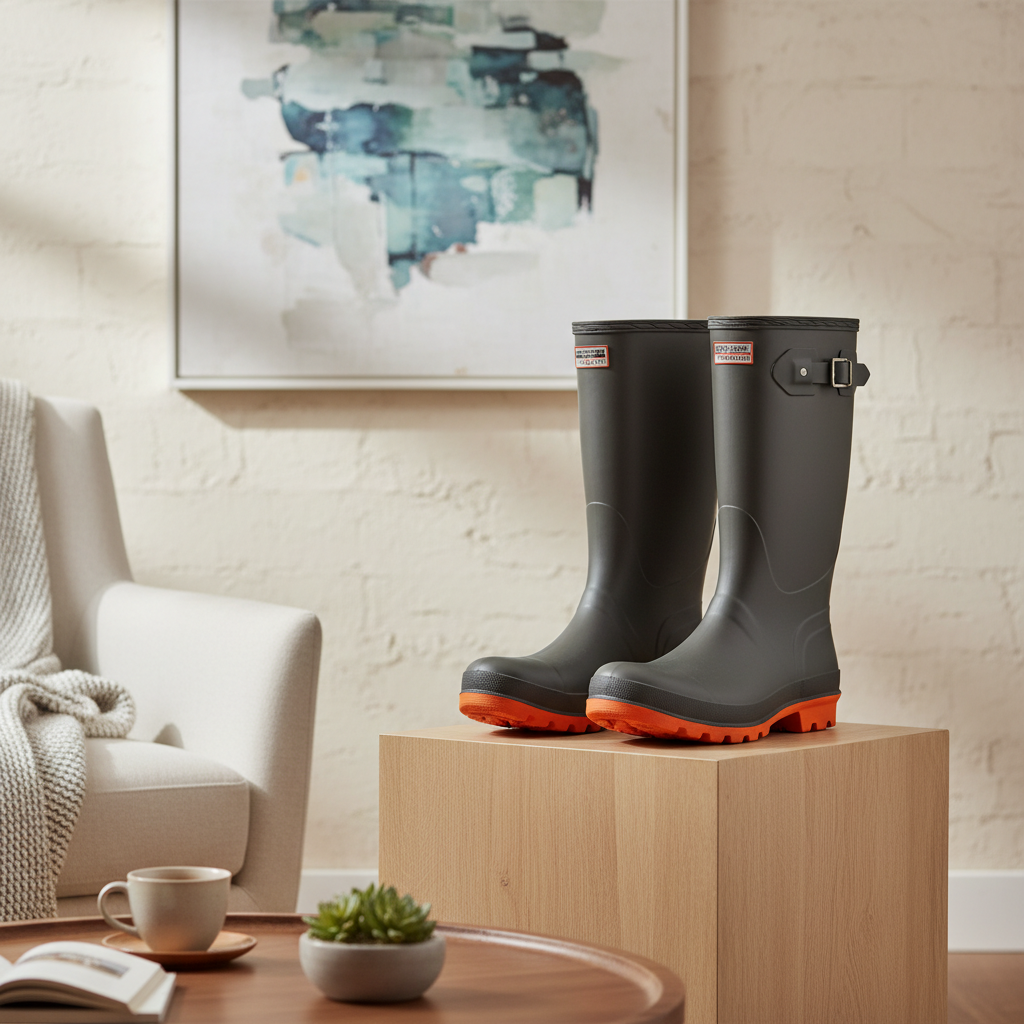
What are Industrial Wellington Boots?
Industrial wellington boots, often simply called "wellies," are a type of waterproof boot typically made from rubber or PVC. They are specifically designed for use in demanding work environments where protection from water, mud, chemicals, and other hazards is crucial. Unlike standard wellington boots intended for leisure, industrial versions incorporate reinforced construction, safety features like steel toe caps and midsole protection, and slip-resistant soles. These boots are essential for industries such as agriculture, construction, food processing, oil and gas, and sanitation. The superior protection they offer significantly reduces the risk of foot injuries in hazardous workplaces.
Key Highlights: Reinforced construction, safety features such as steel toe caps and slip resistant soles, and superior protection against foot injuries.
Key Features to Look for in Industrial Wellington Boots
When choosing industrial wellington boots, consider these key features: Safety Toe Caps (steel or composite to protect against impact), Midsole Protection (to prevent punctures from sharp objects), Slip-Resistant Soles (for enhanced grip on slippery surfaces), Waterproof Construction (to keep feet dry and comfortable), Chemical Resistance (to protect against corrosive substances), and Comfortable Fit (to prevent fatigue and blisters). The specific features required will depend on the particular hazards present in your work environment. Landwalk Outdoor offers a range of boots with varying features to meet diverse industrial needs.
Essential Features for Industrial Boots:
• Safety Toe Caps (Steel or Composite)
• Midsole Protection (Puncture Resistance)
• Slip-Resistant Soles
• Waterproof and Chemical Resistant Materials
Industrial Wellington Boots: A Comparison of Materials
The material of the boot significantly impacts its durability, comfort, and chemical resistance. PVC boots are generally more affordable and offer good protection against water and some chemicals, but they can be less breathable and more prone to cracking in extreme temperatures. Rubber boots are more durable, flexible, and offer better insulation, but they are typically more expensive. Selecting the right material depends on the specific hazards encountered in the workplace. Consider the frequency of chemical exposure, temperature extremes, and the need for flexibility and comfort.
Industries that Rely on Industrial Wellington Boots
A wide range of industries depend on the protection provided by industrial wellington boots. These include: Agriculture (for working in muddy fields and with livestock), Construction (for navigating construction sites and handling materials), Food Processing (for maintaining hygiene and safety in wet environments), Oil and Gas (for protection against hazardous substances), Waste Management (for dealing with potentially contaminated materials), and Healthcare/Cleaning Services (for infection control and hygiene). Choosing the right boots can significantly reduce the risk of workplace accidents and ensure employee wellbeing.

Product Specifications: Landwalk Outdoor Industrial Wellington Boots
At Landwalk Outdoor, we offer a comprehensive range of industrial wellington boots designed to meet the highest safety standards. Here’s a look at some of our key specifications:
Conclusion: Protecting Your Workforce with Quality Footwear
Investing in high-quality industrial wellington boots is crucial for ensuring the safety and well-being of your workforce. Landwalk Outdoor offers a comprehensive range of durable, comfortable, and protective boots designed to meet the demands of various industries. Prioritize safety and choose footwear that provides reliable protection in challenging work environments.
Frequently Asked Questions (FAQs)
How often should industrial wellington boots be replaced?
The replacement frequency depends on usage and the severity of the working conditions. Generally, boots should be replaced annually, or more frequently if they show signs of wear and tear, such as cracks, punctures, or degradation of the sole. Regular inspection is vital. It’s also important to replace boots if they have been exposed to hazardous chemicals or have suffered a significant impact, even if there is no visible damage. Following the manufacturer’s guidelines is crucial for ensuring optimal safety.
What safety standards should I look for?
Look for boots that meet relevant safety standards like EN ISO 20345:2011, which covers safety footwear for professional use. This standard ensures the boots have been tested for impact resistance, compression resistance, and other crucial safety features. Specifically, look for ratings indicating toe protection (impact resistance) and midsole protection (puncture resistance). Always verify that the boots are certified and compliant with the regulations applicable to your industry.
Are all industrial wellington boots chemical resistant?
Not all industrial wellington boots are chemical resistant. The level of chemical resistance varies depending on the material of the boot. PVC boots offer good resistance to many common chemicals, while rubber boots generally provide broader protection. Check the manufacturer's specifications to ensure the boots are suitable for the specific chemicals encountered in your workplace. It's crucial to select boots that are resistant to the substances they will be exposed to, to prevent degradation and maintain protection.
Latest news
-
Ultimate Guide to Choosing the Best Farmers Wellington BootsNewsApr.16,2026
-
The Ultimate Guide to Choosing the Best Professional Farming WelliesNewsApr.09,2026
-
Comprehensive Guide to Choosing the Perfect Field Wellies for Outdoor AdventuresNewsApr.07,2026
-
Choosing the Right Fit for Good Quality Wellies and Outdoor AdventuresNewsApr.04,2026
-
Choosing the Right Fit A Comprehensive Guide to Good Wellies and Outdoor FootwearNewsMar.31,2026
-
Choosing the Right Footwear A Comprehensive Guide to Good Wellington BootsNewsMar.28,2026
-
Choosing the Right Hard Wearing Wellies for Outdoor AdventuresNewsMar.26,2026