



Mar . 17, 2026 01:55
Back to list
Comprehensive Guide to Selecting the Best Industrial Wellies for Workplace Safety
Choosing the Right Industrial Wellies: A Comprehensive Guide
When working in demanding environments, proper footwear is crucial for safety and comfort. Industrial wellies, also known as work boots, offer the protection needed to navigate hazardous conditions. This guide explores the key features, benefits, and considerations when selecting the best industrial wellies for your needs. Whether you're in construction, agriculture, or manufacturing, finding the right boots can significantly reduce workplace accidents and enhance productivity. Discover the importance of durability, safety standards, and comfort in ensuring optimal performance. You can find a fantastic range of options at Landwalk Outdoor.
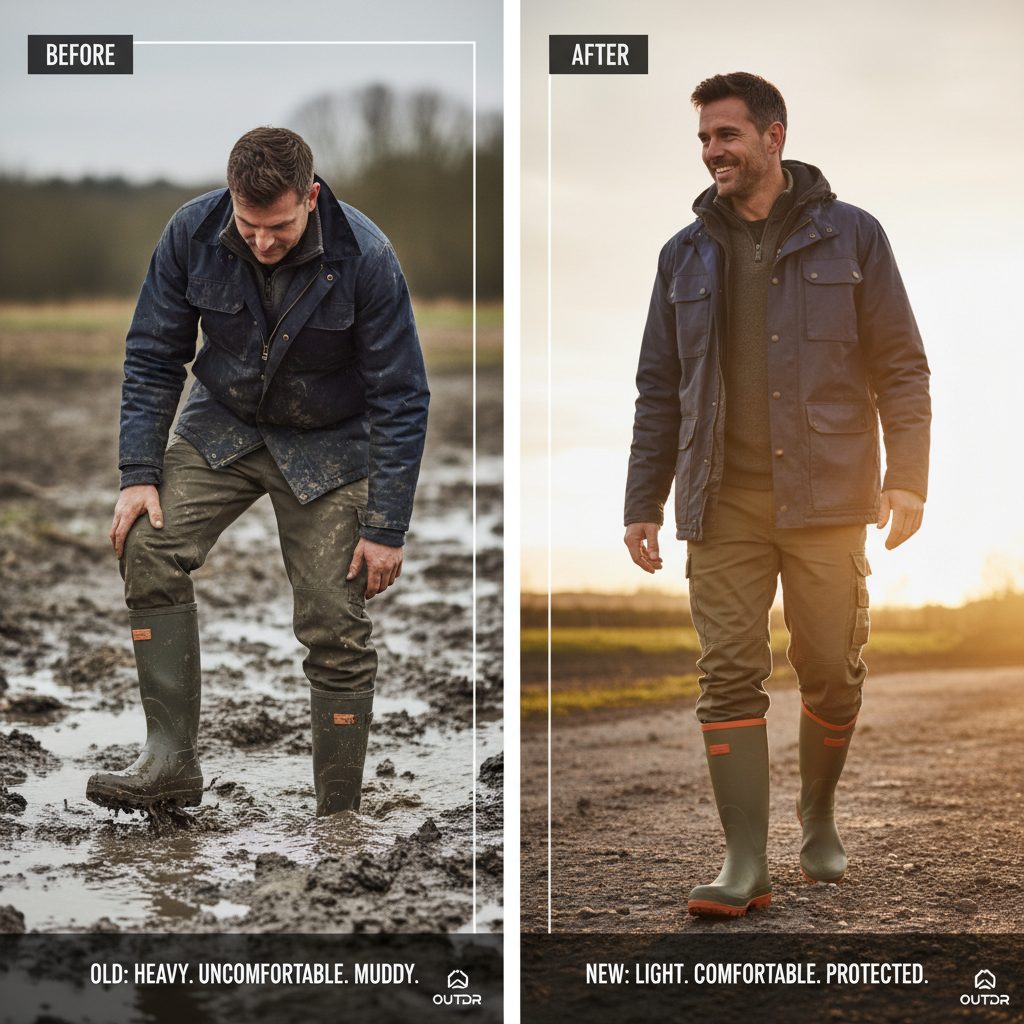
Key Features to Look for in Industrial Wellies
Selecting the right pair of industrial wellies involves considering several key features. Look for boots with steel toe caps for impact protection, slip-resistant soles to prevent falls, and waterproof materials to keep your feet dry. Additionally, consider the ankle support and cushioning for all-day comfort. Boots with reinforced heels and shanks provide added stability and durability. The material of the boot – PVC, rubber, or specialized polymers – impacts its resistance to chemicals, abrasion, and extreme temperatures. Choosing boots certified to relevant safety standards (e.g., EN ISO 20345) is paramount to ensure reliable protection.
Key Highlights: Steel toe caps, slip-resistant soles, waterproof materials, ankle support, and certified safety standards.
Understanding Safety Standards for Industrial Wellies
Safety standards are crucial when purchasing industrial wellies. EN ISO 20345 is the most common European standard for safety footwear, categorizing boots based on their level of protection. This standard specifies requirements for toe protection, penetration resistance, and other hazards. Other relevant standards include ASTM F2413 (American standard) and CSA Z195 (Canadian standard). Understanding these standards ensures that the boots you choose meet the required safety level for your specific workplace. Look for boots with clear labeling indicating their compliance with these standards. Landwalk Outdoor provides detailed information on the safety standards met by their products.
Safety Standard Benefits:
• Ensures consistent quality and protection.
• Provides a benchmark for performance.
• Reduces the risk of workplace injuries.
• Complies with regulatory requirements.
Comparing Materials: PVC vs. Rubber Industrial Wellies
The material of your industrial wellies significantly impacts their performance and durability. PVC (Polyvinyl Chloride) is a cost-effective option, offering good chemical resistance and waterproofing. However, it can become brittle in cold temperatures. Rubber, particularly natural rubber, provides superior flexibility, abrasion resistance, and comfort. It's also more durable and performs better in extreme temperatures. Specialized polymers, like polyurethane, offer a balance of these properties, providing excellent comfort, durability, and chemical resistance. Choosing the right material depends on your specific work environment and the hazards you face.
Selecting the Right Fit for Industrial Wellies
A proper fit is essential for comfort and safety. Too loose, and your feet may slide around, increasing the risk of blisters and injuries. Too tight, and they can restrict circulation and cause discomfort. Measure your feet accurately, considering sock thickness, and consult the manufacturer's sizing chart. Ensure there's enough room at the toe, and that your heel doesn't lift excessively when you walk. Look for boots with adjustable features, such as buckles or laces, to customize the fit. Landwalk Outdoor provides detailed sizing guides and fitting advice to help you find the perfect fit.

Maintaining Your Industrial Wellies for Longevity
Proper maintenance extends the lifespan of your industrial wellies. After each use, clean them with mild soap and water to remove dirt and debris. Avoid using harsh chemicals or abrasive cleaners, as they can damage the materials. Allow the boots to air dry completely, away from direct heat. Regularly inspect the boots for cracks, tears, or other damage. Store them in a cool, dry place when not in use. With proper care, your industrial wellies will provide reliable protection for years to come.
Conclusion: Investing in Quality and Safety
Choosing the right industrial wellies is an investment in your safety and comfort. By considering key features, safety standards, materials, and proper fit, you can find boots that meet your specific needs and protect you from workplace hazards. Landwalk Outdoor offers a wide selection of high-quality industrial wellies to help you stay safe on the job.
Frequently Asked Questions (FAQs)
What safety features should I look for in industrial wellies?
Essential safety features include steel toe caps for impact protection, slip-resistant soles to prevent falls, and waterproof materials to keep your feet dry. Look for boots that meet relevant safety standards, such as EN ISO 20345. Additional features like ankle support, reinforced heels, and penetration-resistant midsoles provide further protection. Selecting boots with the appropriate safety features for your specific work environment is crucial for minimizing the risk of foot injuries.
How do I determine the correct size for industrial wellies?
Accurate foot measurement is key. Measure both feet, as sizes can vary. Wear the socks you would typically wear with the boots when measuring. Consult the manufacturer's sizing chart, as sizes can differ between brands. Ensure there is approximately a thumb's width of space between your longest toe and the end of the boot. Your heel should fit snugly without lifting excessively when you walk. If you are between sizes, it is generally recommended to choose the larger size.
What is the difference between PVC and rubber industrial wellies?
PVC wellies are typically more affordable and offer good chemical resistance. However, they can become brittle in cold temperatures and are less durable than rubber. Rubber wellies provide superior flexibility, abrasion resistance, and comfort. They are more durable and perform better in extreme temperatures. The best choice depends on your specific work environment and the hazards you face.
How often should I replace my industrial wellies?
The lifespan of industrial wellies depends on usage and maintenance. Generally, they should be replaced every 1-2 years with regular heavy use, or sooner if you notice signs of damage, such as cracks, tears, or a loss of tread. Regular inspection is crucial to identify potential hazards and ensure continued protection. Even if the boots appear to be in good condition, it’s recommended to replace them after a certain period to guarantee their protective qualities.
Latest news
-
Ultimate Guide to Choosing the Best Farmers Wellington BootsNewsApr.16,2026
-
The Ultimate Guide to Choosing the Best Professional Farming WelliesNewsApr.09,2026
-
Comprehensive Guide to Choosing the Perfect Field Wellies for Outdoor AdventuresNewsApr.07,2026
-
Choosing the Right Fit for Good Quality Wellies and Outdoor AdventuresNewsApr.04,2026
-
Choosing the Right Fit A Comprehensive Guide to Good Wellies and Outdoor FootwearNewsMar.31,2026
-
Choosing the Right Footwear A Comprehensive Guide to Good Wellington BootsNewsMar.28,2026
-
Choosing the Right Hard Wearing Wellies for Outdoor AdventuresNewsMar.26,2026