



Sep . 13, 2025 08:20
Back to list
Durable Boys Rain Boots: Waterproof, Fun Styles & Sizes
Industry Trends in Advanced Youth Protective Footwear
The market for specialized children's protective footwear, particularly boys rain boots, is experiencing significant evolution driven by consumer demand for enhanced safety, durability, and comfort. Contemporary trends emphasize sustainable manufacturing processes, advanced material integration, and ergonomic designs that cater to the dynamic activities of youth. Key drivers include a growing awareness among parents regarding the importance of high-performance outdoor gear for children, the increasing participation of youth in outdoor recreational activities, and stringent safety standards. The integration of cutting-edge materials like thermal neoprene, often combined with natural rubber outsoles, represents a paradigm shift from traditional PVC or all-rubber designs, offering superior insulation, flexibility, and longevity.
Furthermore, the market is witnessing a surge in demand for boots designed for specific environmental conditions. This includes boots with superior thermal retention for colder climates, enhanced slip resistance for wet and muddy terrains, and designs that are easy to clean and maintain. Customization options, once exclusive to adult industrial footwear, are now being explored for youth lines, allowing for tailored fit and specific feature sets. Data indicates a compound annual growth rate (CAGR) of 6.5% for the global children's footwear market from 2023 to 2030, with specialized outdoor segments like rain boots showing even higher growth potential due to their functional imperative. This growth is fueled by both direct-to-consumer (DTC) channels and established B2B partnerships with outdoor retailers and educational institutions.
Detailed Manufacturing Process of High-Performance Rain Boots
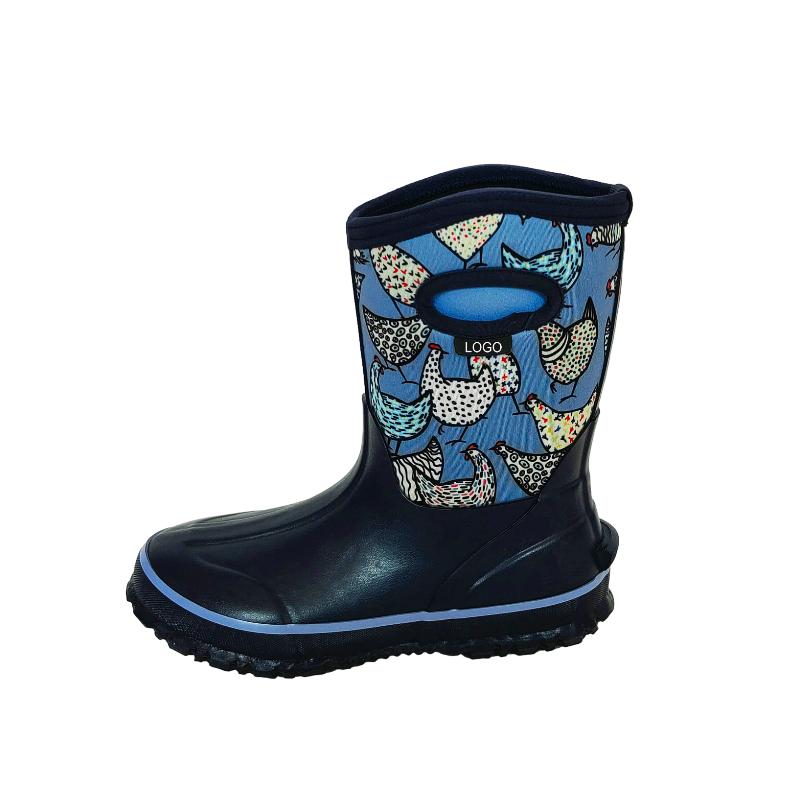
The production of high-performance boys rain boots, particularly models like the Kids Thermal Neoprene Boots LW-PS21K, involves a multi-stage, precision-engineered process designed to ensure durability, comfort, and protection. This sophisticated manufacturing cycle integrates advanced material science with meticulous assembly techniques.
Process Flow Overview:
1. Material Preparation
Sourcing and cutting of thermal neoprene sheets, natural rubber compounds, and lining fabrics.
2. Neoprene Upper Construction
Precision cutting and stitching of neoprene panels to form the boot upper, often using blind-stitch techniques for watertight seams.
3. Rubber Outsole Molding
Injection molding or compression molding of natural rubber compounds to create durable, slip-resistant outsoles. This involves precise temperature and pressure control.
4. Assembly & Lasting
The neoprene upper is stretched over a last (a foot-shaped form), and the rubber outsole is then bonded to it using specialized adhesives and vulcanization processes.
5. Vulcanization
A critical step where the entire boot is heated under pressure, chemically cross-linking the rubber molecules. This enhances strength, elasticity, and water impermeability.
6. Finishing & Quality Control
Trimming, cleaning, final inspection for defects, waterproofing tests, and adherence to ISO 20345 (general safety footwear) and ASTM F2413 (foot protection) standards.
The selection of materials is paramount. Thermal neoprene, typically a blend of closed-cell foam rubber and synthetic fabrics, provides exceptional insulation and flexibility. Natural rubber outsoles offer superior grip and abrasion resistance compared to synthetic alternatives. Adherence to international testing standards, such as ISO 9001 for quality management and specific European (EN) or American (ASTM) standards for footwear safety, is non-negotiable. The service life of such boots, under typical use, can range from 12-24 months, depending on the intensity of activity and maintenance.
Target industries and application scenarios for these specialized boots extend beyond casual wear. They are vital in educational settings for outdoor learning, agriculture for farm work, and various outdoor recreation sectors for camping, hiking, and fishing. The advantages are evident: energy saving through superior thermal insulation in cold conditions, unparalleled corrosion resistance to mud and various organic compounds, and extended product lifespan reducing replacement frequency.
Technical Specifications & Performance Parameters
The performance of modern boys rain boots is quantified through a range of technical specifications that ensure functionality and safety. Our Kids Thermal Neoprene Boots LW-PS21K, for example, are engineered to meet stringent parameters, ensuring optimal protection and comfort for young users.
Product Specification Table: Kids Thermal Neoprene Boots LW-PS21K
| Parameter | Specification | Relevant Standard |
|---|---|---|
| Model | LW-PS21K | Internal Designation |
| Upper Material | 5mm Neoprene with Nylon Jersey Lining | ASTM D1056 |
| Outsole Material | Natural Rubber (NR) | ASTM D2000, EN ISO 20347 |
| Thermal Rating | Comfort to -15°C (5°F) | EN ISO 20344 Annex B (Thermal Insulation) |
| Waterproof Rating | 100% Waterproof (Seam-sealed construction) | EN ISO 20344 5.14 (Water Penetration) |
| Slip Resistance | SRC (Ceramic tile with soap solution, Steel with glycerol) | EN ISO 20347:2012 |
| Abrasion Resistance | Excellent (Tabor Abrasion Test cycles > 5000) | ASTM D4060, EN 12770 |
| Flexibility | High (Bending Resistance > 100,000 cycles) | EN ISO 20344 5.4.2 (Flexing Resistance) |
| Available Sizes | Youth sizes US 8 to US 6 (including rubber boots size 5 and youth size 6 rain boots) | Standard Footwear Sizing |
These specifications underline the engineering precision in developing footwear that performs under demanding conditions, offering reliable protection and extending the usability of the product across various environments. The use of natural rubber, specifically, contributes significantly to parameters like slip resistance and abrasion resistance, crucial for active children.
Application Scenarios & Technical Advantages
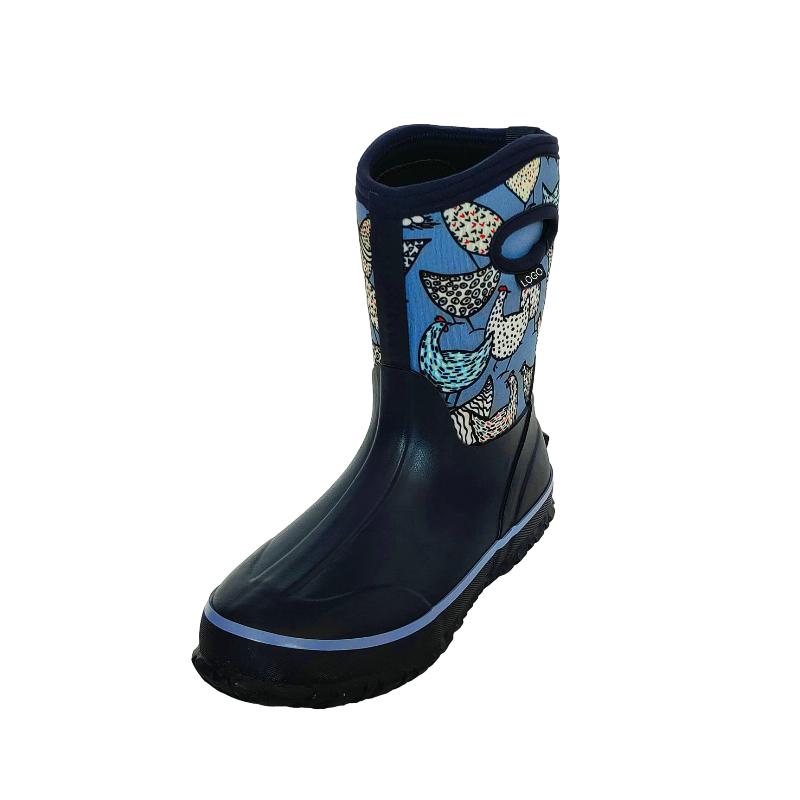
The robust design and advanced materials of high-quality boys rainboots make them indispensable across a multitude of application scenarios, particularly where environmental protection and user comfort are critical.
Key Application Scenarios:
- Outdoor Education & Forest Schools: Providing essential waterproofing and thermal insulation for children engaged in hands-on learning in natural environments, irrespective of weather conditions.
- Agricultural Settings: Protecting young users from mud, moisture, and agricultural byproducts while performing light tasks or exploring farm environments.
- Recreational Activities: Ideal for hiking on wet trails, fishing, camping, and general play in muddy or waterlogged areas, ensuring feet remain dry and warm.
- Construction & Industrial Site Visits (Supervised): Offering basic foot protection for supervised visits to sites where mud and standing water are prevalent, though not as primary PPE.
Technical Advantages:
- Superior Thermal Insulation: The 5mm neoprene layer acts as an excellent insulator, trapping heat and maintaining comfort in temperatures down to -15°C, significantly outperforming traditional PVC or thinner rubber boots. This reduces the risk of hypothermia in cold, wet conditions.
- Enhanced Durability & Longevity: Vulcanized natural rubber outsoles combined with robust neoprene uppers offer exceptional resistance to punctures, abrasions, and tears. This extended service life (up to 2 years with proper care) translates to lower total cost of ownership for B2B procurement.
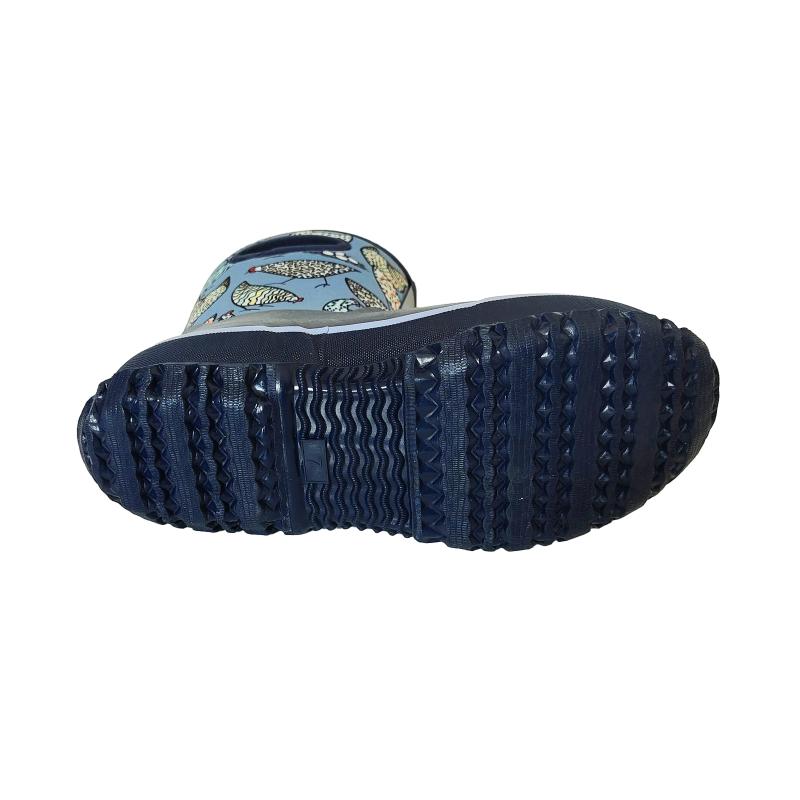
- Optimal Traction & Safety: The aggressive tread patterns on natural rubber outsoles provide superior slip resistance (SRC rated), reducing fall risks on slippery surfaces such as wet mud, snow, or moss-covered terrain. This is a critical safety feature for active children.
- Flexible & Comfortable Fit: Neoprene's inherent elasticity allows for a snug yet comfortable fit that moves with the foot, minimizing chafing and hot spots. This ergonomic design is crucial for sustained wear and reduces user fatigue.
- Chemical & Corrosion Resistance: The materials used are highly resistant to mild acids, bases, and common organic compounds found in natural environments, ensuring the integrity of the boot material over time.
- Ease of Maintenance: The non-porous surfaces of neoprene and rubber are easy to clean, resisting dirt and grime buildup, which is essential for maintaining hygiene and prolonging product life in demanding environments.
These technical advantages position our thermal neoprene rain boots as a premium solution for organizations seeking reliable, high-performance footwear for youth activities.
Vendor Comparison: Thermal Neoprene vs. Traditional PVC/Rubber Boots
When procuring protective footwear for youth, decision-makers are faced with a variety of material and construction choices. Understanding the distinctions between advanced thermal neoprene boots and traditional PVC or all-rubber options is crucial for informed investment. Our Kids Thermal Neoprene Boots LW-PS21K exemplify the advantages of modern material science.
Product Comparison Table
| Feature/Parameter | Thermal Neoprene Boots (e.g., LW-PS21K) | Traditional PVC/Rubber Boots |
|---|---|---|
| Primary Material | Neoprene (5mm) with Natural Rubber Outsole | Polyvinyl Chloride (PVC) or Basic Molded Rubber |
| Thermal Insulation | Excellent (Comfort to -15°C); Closed-cell foam traps heat. | Poor to Moderate; Limited insulation properties. |
| Flexibility & Comfort | High flexibility, soft, forms to leg; Reduces chafing. | Rigid, less comfortable, can be bulky; Poor mobility. |
| Durability & Puncture Resistance | Very High; Neoprene and vulcanized natural rubber resist tears and punctures. | Moderate; PVC can crack in cold; basic rubber less resilient. |
| Slip Resistance | Superior (SRC rated); Natural rubber provides excellent grip. | Varies, often lower; PVC can be very slippery on wet surfaces. |
| Weight | Relatively lighter due to neoprene's lower density compared to solid rubber. | Can be heavy and cumbersome, especially in larger sizes. |
| Environmental Impact | Neoprene production has environmental considerations; natural rubber is renewable. Focus on responsible sourcing. | PVC production has significant environmental concerns (phthalates, dioxins). |
| Typical Cost (B2B) | Higher initial investment, but lower total cost of ownership due to longevity. | Lower initial cost, but higher replacement frequency. |
This comparison highlights that while traditional options may present a lower initial cost, the long-term benefits in terms of safety, durability, user comfort, and ultimately, total cost of ownership, heavily favor advanced thermal neoprene boots. Investing in superior quality boys rain boots translates to fewer replacements and better protection for children in challenging environments.
Customized Solutions & Application Case Studies
Understanding that B2B clients often have specific requirements, we offer customized solutions for our range of boys rainboots. Our capabilities extend beyond standard models to provide tailored features, branding, and sizing to meet unique project demands.
Customization Options:
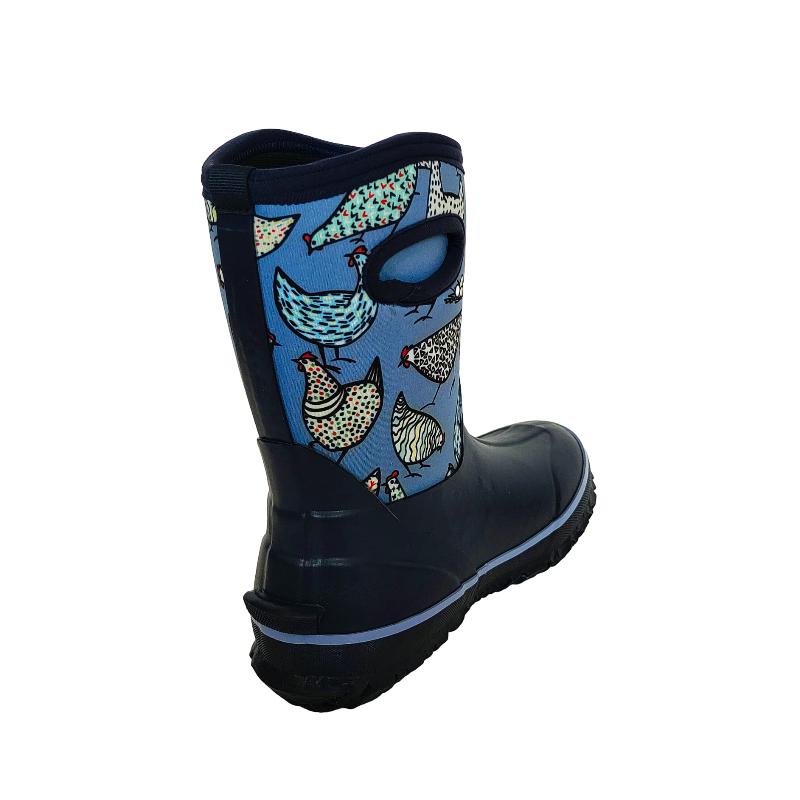
- Color & Pattern Integration: Custom color schemes and unique patterns can be applied to the neoprene upper to match institutional branding or specific project aesthetics.
- Logo & Branding: Integration of client logos via screen printing, heat transfer, or embossed rubber patches on the boot upper or pull-tabs.
- Size Range Extension: While standard sizes cover a broad spectrum (e.g., rubber boots size 5 to youth size 6 rain boots), we can discuss custom molds for extended size ranges for large-volume orders.
- Material Adaptations: For extreme conditions, we can explore variations in neoprene thickness (e.g., 7mm for arctic conditions) or specialized rubber compounds for enhanced oil/chemical resistance.
- Enhanced Features: Options for reflective elements for increased visibility, specialized lining materials for anti-microbial properties, or reinforced toe/heel areas for added protection (non-safety boot standard).
Application Case Study: "Green Trails Outdoor Education Program"
Client: Green Trails Outdoor Education Program, Pacific Northwest, USA.
Challenge: The program required durable, waterproof, and thermally insulating footwear for students aged 6-12 participating in year-round outdoor learning, often in cold, wet, and muddy conditions. Traditional rubber boots proved uncomfortable, lacked insulation, and had a high replacement rate.
Solution: We supplied a customized version of our Kids Thermal Neoprene Boots (based on LW-PS21K), featuring a specific forest-green color, the program's logo subtly debossed on the side, and an extended range of youth sizes to accommodate all participants. The boots were selected for their -15°C thermal rating and superior slip resistance.
Results: Over a two-year period, the program reported a 40% reduction in footwear-related complaints from students and staff, a 60% decrease in boot replacement frequency, and a significant improvement in student comfort and participation in adverse weather. The thermal neoprene boots provided reliable protection, enhancing the overall learning experience. Client feedback emphasized the 'game-changer' comfort and warmth.
Application Case Study: "Rural Agricultural Youth Initiative"
Client: Rural Agricultural Youth Initiative, Midwest, USA.
Challenge: Equipping young participants (ages 8-14) with practical, durable boots for farm-based educational activities involving exposure to mud, water, and varying ground conditions. Boots needed to be robust, easy to clean, and offer good traction.
Solution: We provided a bulk order of standard LW-PS21K boots, emphasizing their natural rubber outsole for superior grip on uneven, muddy terrain and their easy-to-clean neoprene surface. The robust construction was key to withstanding the rigors of farm use.
Results: The boots demonstrated excellent resistance to the harsh farm environment. The natural rubber outsoles prevented slips, and the neoprene uppers were simple to hose down after use, maintaining hygiene. The initiative praised the boots for their longevity, reporting minimal wear and tear after a full season of intensive use, directly contributing to participant safety and program efficiency.
Trustworthiness & Support: FAQs, Lead Times, Warranty, and Customer Service
As a trusted B2B partner, we are committed to transparency, reliability, and comprehensive support for our clients. This commitment ensures that your investment in our specialized footwear, including high-quality boys rain boots, is backed by robust service.
Frequently Asked Questions (FAQs):
Q: What makes neoprene superior to PVC for children's rain boots?
A: Neoprene offers significantly better thermal insulation, greater flexibility, and superior durability against cracking in cold weather. It also provides a more comfortable, form-fitting experience and better abrasion resistance than typical PVC, making it ideal for active youth.
Q: Are these boots suitable for extreme cold weather?
A: Our Kids Thermal Neoprene Boots LW-PS21K are comfort-rated down to -15°C (5°F) due to the 5mm neoprene insulation. For even colder conditions, custom solutions with thicker neoprene or specialized liners can be discussed for bulk orders.
Q: How do you ensure the waterproof integrity of the boots?
A: We employ a meticulous manufacturing process including blind-stitched and seam-sealed neoprene uppers, followed by a vulcanization bonding process for the natural rubber outsole. Each batch undergoes rigorous hydrostatic testing to ensure 100% waterproof performance, adhering to EN ISO 20344 standards.
Q: Can we order boots in specific youth sizes, like rubber boots size 5 or youth size 6 rain boots, in bulk?
A: Absolutely. Our standard size range covers popular youth sizes, and we can accommodate bulk orders for specific size distributions. For very large orders, custom sizing outside our standard range may be possible.
Lead Time and Fulfillment:
Our standard lead time for non-customized bulk orders (e.g., 500-2000 pairs) is typically 6-8 weeks from order confirmation and deposit. This includes manufacturing, quality control, and shipping preparation. For customized solutions or larger volumes, lead times may extend to 10-14 weeks, depending on the complexity of specifications and current production schedules. We provide clear, itemized lead time estimates with every quotation. Expedited shipping options are available upon request and incur additional costs.
Warranty Commitments:
We offer a 12-month limited warranty on all our specialized footwear, including the Kids Thermal Neoprene Boots LW-PS21K, against manufacturing defects in materials and workmanship from the date of purchase. This warranty covers issues such as seam separation, material delamination, and premature outsole wear under normal use conditions. It does not cover damage resulting from misuse, improper maintenance, or normal wear and tear. Detailed warranty terms are provided with each sales agreement.
Dedicated Customer Support:
Our B2B clients receive dedicated account management and technical support. Our team is available from 9 AM to 5 PM (GMT+8), Monday to Friday, via phone, email, and live chat to assist with order inquiries, technical specifications, customization requests, and after-sales support. We are committed to fostering long-term partnerships through responsive and knowledgeable service, ensuring a seamless experience from initial inquiry to post-delivery satisfaction.
References
- ISO. International Organization for Standardization. ISO 9001:2015 - Quality management systems. Available at: https://www.iso.org/iso-9001-quality-management.html
- ASTM International. ASTM F2413 - Standard Specification for Performance Requirements for Protective (Safety) Toe Cap Footwear. Available at: https://www.astm.org/f2413-18.html
- European Committee for Standardization. EN ISO 20347:2012 - Personal protective equipment - Occupational footwear. Available at: https://www.en-standard.eu/csn-en-iso-20347-personal-protective-equipment-occupational-footwear/
- Global Market Insights, Inc. Children's Footwear Market Size, Share & Trends Analysis Report. Available in industry reports.
- Rubber Manufacturers Association (RMA). Manual for Rubber Product Design. Available in technical publications.
Latest news
-
Ultimate Guide to Choosing the Best Farmers Wellington BootsNewsApr.16,2026
-
The Ultimate Guide to Choosing the Best Professional Farming WelliesNewsApr.09,2026
-
Comprehensive Guide to Choosing the Perfect Field Wellies for Outdoor AdventuresNewsApr.07,2026
-
Choosing the Right Fit for Good Quality Wellies and Outdoor AdventuresNewsApr.04,2026
-
Choosing the Right Fit A Comprehensive Guide to Good Wellies and Outdoor FootwearNewsMar.31,2026
-
Choosing the Right Footwear A Comprehensive Guide to Good Wellington BootsNewsMar.28,2026
-
Choosing the Right Hard Wearing Wellies for Outdoor AdventuresNewsMar.26,2026