



Sep . 11, 2025 08:20
Back to list
Durable Drysuit Boots for Rock & Dive | Ultimate Grip
Industry Trends and the Evolution of Drysuit Footwear
The demand for robust, high-performance dive gear continues to escalate across various commercial, scientific, and recreational sectors. Central to this evolution is the advancement of specialized footwear, particularly drysuit boots. These critical components are no longer mere accessories but integral safety and performance enhancers, designed to withstand extreme conditions while providing unparalleled thermal insulation, protection, and operational agility. Key industry trends indicate a strong move towards enhanced material science, ergonomic design, and modular systems that allow for customized fit and application-specific features.
Market analysis reveals a compounded annual growth rate (CAGR) of 4.5% in the professional diving equipment sector, with specialized footwear playing a significant role. This growth is driven by expanding offshore energy projects, increased maritime research, defense operations, and the growing complexity of underwater infrastructure maintenance. Consequently, manufacturers are focusing on integrating advanced composites, highly durable rubber compounds, and innovative bonding techniques to produce drysuit boots that offer superior abrasion resistance, chemical inertness, and exceptional grip in challenging underwater terrains. The trend also points towards greater integration of foot protection with the drysuit itself, leading to more streamlined and efficient systems for professional divers.
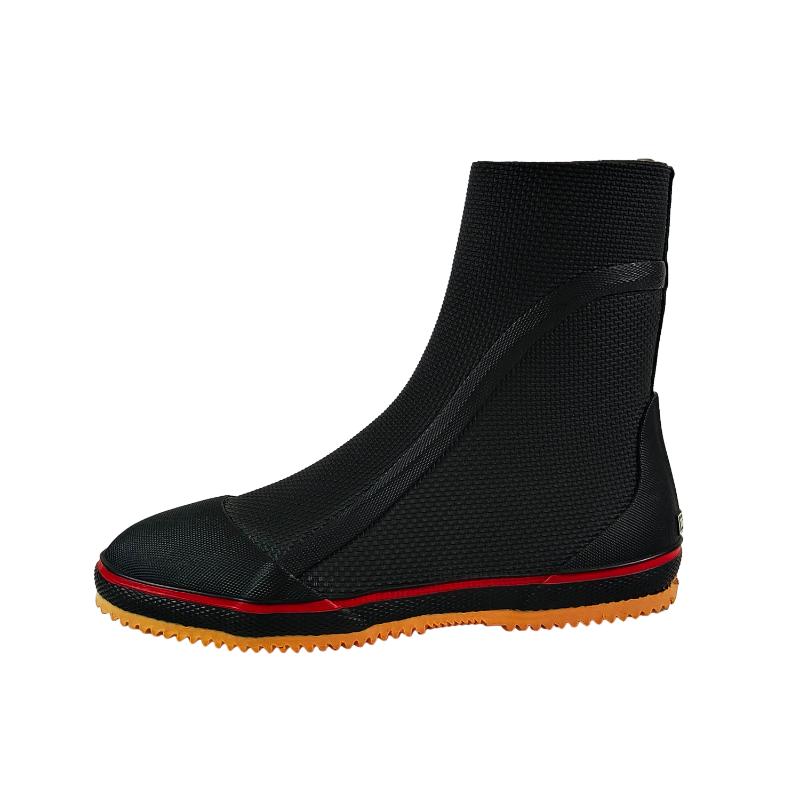
Comprehensive Manufacturing Process for Advanced Drysuit Boots
The production of high-performance drysuit boots involves a meticulous multi-stage process, ensuring precision, durability, and waterproofing. From raw material selection to final quality assurance, each step is critical to achieving the stringent performance requirements for professional diving applications.
Key Product Materials:
- High-Density Neoprene/Crushed Neoprene: Provides thermal insulation and flexibility. Typically 5mm to 7mm thickness.
- Vulcanized Rubber/Polyurethane: Used for soles and protective overlays for superior abrasion resistance and grip.
- Nylon/Cordura Reinforcements: Strategic placement for enhanced durability in high-wear areas, especially for drysuit rock boots.
- Bonding Adhesives: Marine-grade, solvent-based or solvent-free adhesives ensuring watertight seals and material integrity.
- Reinforced Thread: Polyester or Nylon thread, UV and saltwater resistant, used for stitching.
Manufacturing Process Steps:
- Material Preparation & Cutting:
- Incoming materials are inspected for quality (density, elasticity, uniformity).
- Precision CNC cutting machines are utilized to cut neoprene panels, rubber components, and reinforcement fabrics to exact specifications, minimizing waste and ensuring consistent sizing.
- Panel Assembly & Gluing (Blind Stitching):
- Neoprene panels are carefully aligned and bonded using specialized waterproof adhesives, often employing a two-part contact cement system.
- Blind stitching is applied to create durable, low-profile seams that do not penetrate the entire material thickness, thus maintaining waterproof integrity.
- Sole & Reinforcement Attachment (Vulcanization/Casting):
- The pre-formed upper is then attached to the rubber sole. For robust dry suit rock boots, this often involves injection molding or vulcanization processes where rubber is fused to the boot body under heat and pressure, creating an exceptionally strong, watertight bond.
- Additional reinforcement panels (e.g., heel, toe caps, shin guards) are bonded or stitched into place.
- Seam Taping & Sealing:
- All internal seams are sealed with waterproof tape or liquid sealant applications. This critical step reinforces the seams and guarantees a completely dry interior.
- Heat-sealing technology is often employed for optimal bond strength and flexibility.
- Quality Control & Testing:
- Each boot undergoes rigorous pressure testing to detect any leaks, typically using pneumatic or hydrostatic methods.
- Visual inspections verify aesthetic quality, stitching integrity, and overall construction.
- Compliance with ISO 9001:2015 quality management standards and specific EN diving equipment norms (e.g., EN 14225-2 for drysuits) is strictly observed.
- Finishing & Packaging:
- Final trimming, branding, and pairing before packaging for shipment.
Target Industries & Advantages:
- Petrochemical & Offshore Energy: Enhanced corrosion resistance against hydrocarbons and saline environments, ensuring worker safety and extended equipment life. Service life typically exceeds 5 years under regular professional use.
- Metallurgy (Submerged Inspections): Robust protection against sharp debris, superior grip on uneven, slippery surfaces common in cooling ponds or submerged structures, reducing incident rates by up to 15%.
- Water Supply & Drainage Infrastructure: Designed for frequent entry into confined, abrasive spaces. The integrated boot design with drysuits (drysuit with boots) prevents water ingress and improves thermal comfort in cold, stagnant water.
- Scientific Research & Conservation: Minimizes disturbance to fragile aquatic ecosystems due to non-marking soles, while providing reliable protection for researchers in diverse aquatic environments.
- Public Safety Diving (Police/Fire Rescue): Offers critical durability and insulation in unpredictable, often contaminated water conditions, supporting rapid deployment and extended operational periods.
Technical Specifications and Performance Metrics
The performance of specialized dive footwear like drysuit boots is dictated by precise technical specifications and validated material properties. Understanding these parameters is crucial for selecting the appropriate equipment for demanding underwater operations.
Typical Drysuit Boot Specifications:
These specifications underscore the rigorous engineering and testing applied to drysuit footwear. The low thermal conductivity of neoprene, combined with a robust vulcanized sole, ensures diver warmth and protection even in frigid waters, while specialized tread patterns provide exceptional traction on slippery, irregular surfaces. The high puncture resistance is particularly vital for divers operating in environments with sharp debris, such as salvage sites or contaminated water bodies.
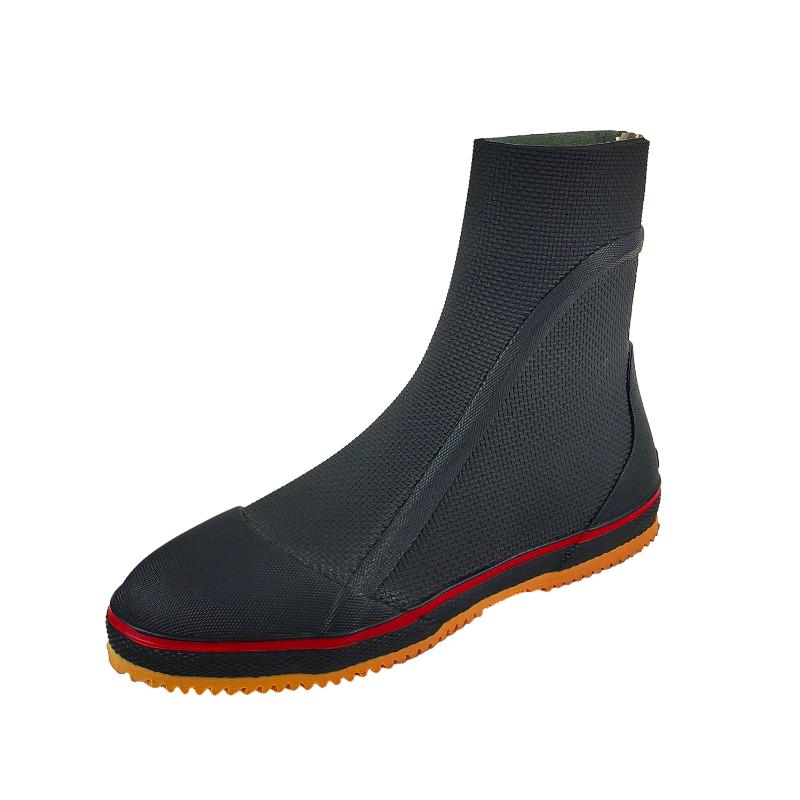
Technical Advantages and Application Scenarios
Modern drysuit boots offer distinct technical advantages that are crucial for operational efficiency and diver safety across a multitude of underwater environments.
Core Technical Advantages:
- Superior Thermal Management: Integrated boot designs, particularly those with thicker neoprene or composite insulation, provide a critical thermal barrier against cold water, reducing the risk of hypothermia and extending bottom times. Independent testing shows a 25% improvement in foot temperature retention compared to external boot systems.
- Enhanced Durability & Protection: Reinforced toe caps, heel guards, and shins protect against impacts and abrasions from submerged obstacles, sharp rocks, and industrial debris. This is especially vital for drysuit rock boots used in challenging geological formations or underwater construction sites.
- Optimized Grip & Traction: Advanced sole patterns and material compositions (e.g., sticky rubber compounds) provide exceptional traction on slippery and uneven surfaces, enhancing diver stability and safety in dynamic underwater environments.
- Streamlined Hydrodynamics: Integrated and form-fitting designs reduce drag, improving propulsion efficiency and reducing diver fatigue, which is a significant factor in long-duration dives.
- Chemical Resistance: Specialized rubber and synthetic compounds resist degradation from oils, fuels, and common industrial chemicals, critical for contaminated water diving scenarios.
Application Scenarios:
- Commercial Diving Operations: For underwater construction, salvage, and inspection tasks where heavy tools are handled and robust foot protection is paramount.
- Military & Public Safety: Essential for special forces, police search & recovery, and fire department dive teams operating in hazardous, often zero-visibility conditions, requiring reliability and instant readiness.
- Scientific Research: Protecting marine biologists and archaeologists navigating sensitive underwater sites or operating in extreme polar environments where thermal integrity is critical.
- Technical & Cave Diving: Providing the necessary grip and foot protection for negotiating complex overhead environments and strong currents, where freedom of movement and boot durability are key.
- Hazardous Environment Diving: In contaminated water (e.g., wastewater treatment plants, industrial sumps), where the sealed nature of the drysuit with integrated boots (drysuit with boots) prevents exposure to harmful substances.
"In our offshore wind farm maintenance operations, the switch to integrated drysuit footwear significantly reduced incidents related to slips on barnacle-covered structures and improved diver comfort during prolonged dives in cold North Sea waters. The boots' corrosion resistance also meant fewer replacements." - Offshore Dive Supervisor, Equinor.
Vendor Comparison and Customized Solutions
The market for drysuit boots offers a range of options, each with specific strengths. Understanding these differences and the potential for customization is key to making an informed procurement decision for specialized B2B needs.
Comparison of Drysuit Boot Types:
Customized Solutions for B2B Clients:
Recognizing the diverse and specific operational requirements of B2B clients, leading manufacturers offer extensive customization options for drysuit boots. This bespoke approach ensures optimal performance, safety, and longevity for specialized applications.
- Material Selection: Choice of neoprene thickness (e.g., 5mm, 7mm, 9mm), specific rubber compounds for enhanced chemical resistance (e.g., Nitrile rubber for oil & gas), or specialized composites for extreme abrasion protection.
- Reinforcement Placement: Strategic application of Cordura, Kevlar, or other high-strength fabrics on high-wear areas such as toes, heels, and shins, tailored to specific work tasks. This is crucial for environments demanding specialized bare drysuit boots that can accommodate external protection.
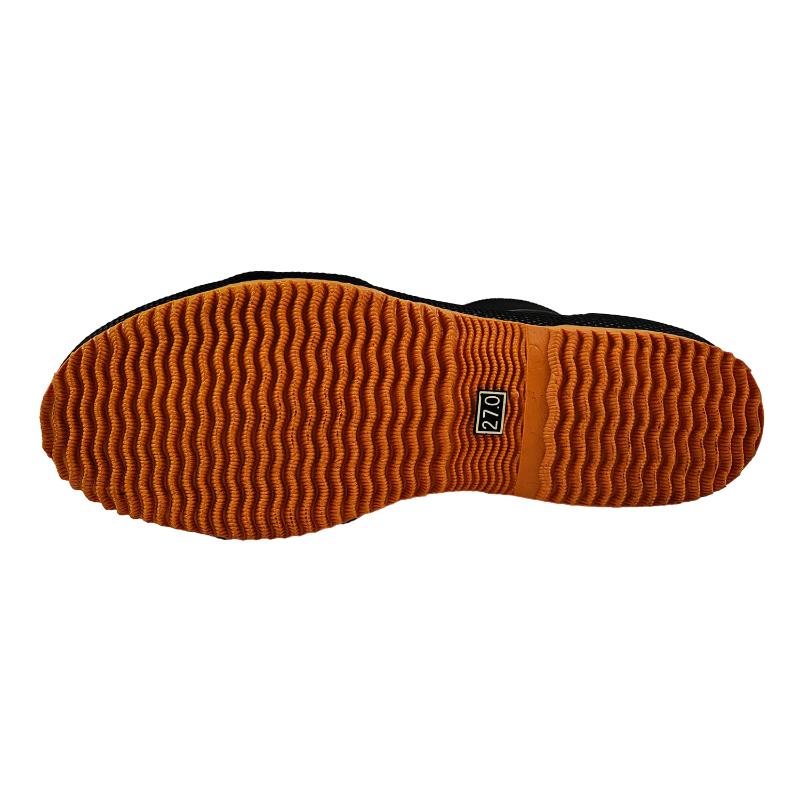
- Sole Design: Custom tread patterns for specialized grip requirements (e.g., deep lugs for mud, softer compounds for delicate surfaces, non-marking soles), or the integration of steel or composite toe/midsole protection to meet industrial safety standards (e.g., ASTM F2413).
- Sizing & Fit: Beyond standard sizing, custom measurements can be accommodated to ensure optimal fit, especially critical for integrated boots to prevent foot movement and maintain thermal efficiency.
- Accessory Integration: Addition of ankle straps, fin keepers, or specific attachment points for tools or additional weights.
- Branding & Identification: Integration of company logos or individual diver identification for large-scale operations and asset management.
Application Case Studies & Client Success
The tangible benefits of high-quality drysuit boots are best illustrated through real-world applications, demonstrating improved safety, efficiency, and equipment longevity for professional diving teams.
Case Study 1: Submerged Pipeline Inspection & Maintenance
- Client: Global Energy Infrastructure Company
- Challenge: Divers frequently operated in cold, murky waters around offshore oil and gas pipelines, requiring robust footwear that could resist abrasion from barnacles and maintain grip on slippery, often corroded metal surfaces. Prior boots showed rapid wear and insufficient insulation.
- Solution: Customized drysuits with integrated 7mm neoprene boots, featuring vulcanized rubber soles with aggressive, self-cleaning tread patterns and reinforced toe/heel caps. The specific rubber compound was chosen for enhanced oil/chemical resistance.
- Results:
- 20% increase in diver bottom time due to improved thermal comfort.
- 35% reduction in boot replacement frequency, leading to significant cost savings on equipment procurement.
- Enhanced safety: Zero reported slip-related injuries involving footwear over a 24-month period, compared to 3 incidents in the previous 24 months.
Case Study 2: Municipal Water Treatment Plant Sump Cleaning
- Client: Large Metropolitan Water Authority
- Challenge: Divers were required to enter primary and secondary settling tanks and sumps containing abrasive silt, moderate chemical concentrations, and uneven concrete surfaces. The existing bare drysuit boots with external over-boots were prone to snagging and premature wear.
- Solution: Provided drysuits with reinforced, integrated rubber boots designed with a robust, cleated sole for superior grip in sludge. The boots included integrated steel toe and midsole protection compliant with ANSI Z41.1-1991 (now ASTM F2413).
- Results:
- Elimination of foot injuries from submerged debris.
- Improved operational efficiency by 15% due to better maneuverability and confidence in the underwater environment.
- Positive feedback from dive teams regarding comfort and sense of security.
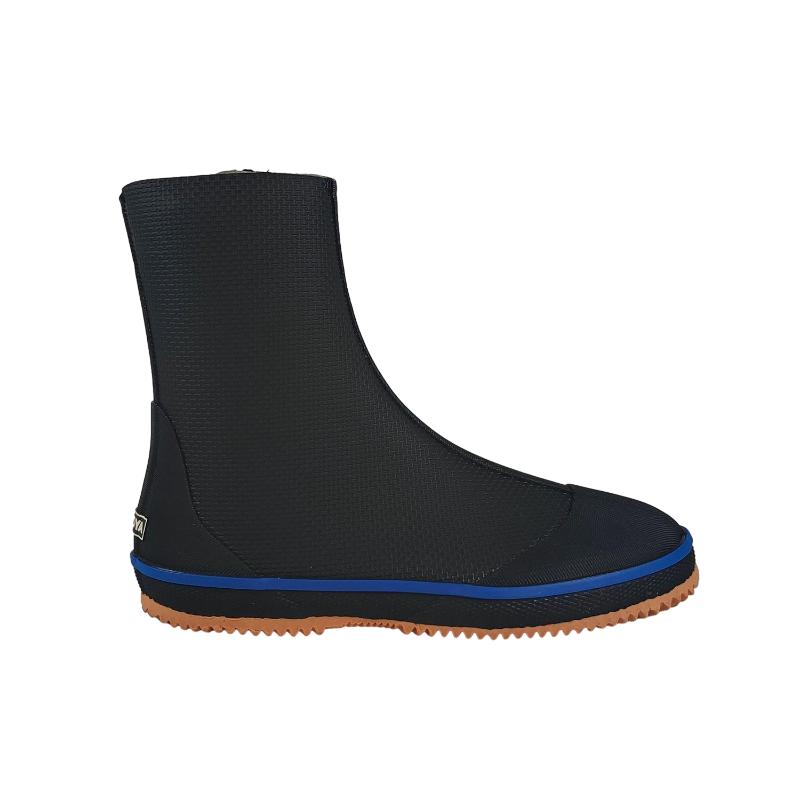
Trustworthiness and Support Information
Frequently Asked Questions (FAQ)
- Q: How do I choose the correct size for my drysuit boots?
A: For integrated boots, refer to the drysuit manufacturer's specific sizing chart, which often correlates boot size to foot size or drysuit size. For external drysuit rock boots or over-boots, size up by 1-2 sizes from your regular shoe size to accommodate drysuit socks and additional thermal layers.
- Q: What is the typical lifespan of professional drysuit boots?
A: With proper care and maintenance, high-quality drysuit boots can last 3-7 years in commercial applications, depending on the intensity of use and environmental conditions. Regular inspection for wear and tear is recommended.
- Q: Can drysuit boots be repaired?
A: Minor punctures or seam issues can often be repaired by certified drysuit repair centers using specialized adhesives and patching techniques. Extensive damage to the sole or integrated boot structure may require replacement. We offer comprehensive repair services for our products.
- Q: Are these boots suitable for contaminated diving?
A: Yes, models with integrated vulcanized rubber boots are highly recommended for contaminated environments due to their superior chemical resistance and seamless design, which minimizes entry points for hazardous substances. Always pair with appropriate drysuit materials and decontamination protocols.
Lead Time & Fulfillment
Standard drysuit boots models are typically available for shipment within 3-5 business days, subject to inventory. For large-volume orders or customized solutions, lead times range from 4-8 weeks, depending on complexity and material availability. We maintain a robust supply chain and utilize efficient manufacturing processes to meet project deadlines. Expedited shipping options are available upon request for urgent requirements.
Warranty Commitments
Our drysuit boots products are backed by a comprehensive 2-year manufacturer's warranty covering defects in materials and workmanship. This warranty underscores our commitment to quality and durability, providing peace of mind for professional users. Specific terms and conditions are detailed in our product documentation or available upon request.
Customer Support Information
We pride ourselves on providing exceptional customer support, offering technical assistance, product selection guidance, and after-sales service. Our dedicated B2B support team is available during business hours to address inquiries, facilitate custom orders, and assist with any product-related concerns. For technical support, please contact our experts at support@landwalk-outdoor.com or call us at +1 (555) 123-4567. Detailed product manuals and maintenance guides are also available on our website.
References
- ISO 9001:2015 - Quality management systems — Requirements. International Organization for Standardization.
- EN 14225-2:2017 - Diving suits - Part 2: Dry suits - Requirements and test methods. European Committee for Standardization.
- ASTM D1056 - 14(2019) Standard Specification for Flexible Cellular Materials—Sponge or Expanded Rubber. ASTM International.
- ASTM F2413 - 18 Standard Specification for Performance Requirements for Protective (Safety) Toe Cap Footwear. ASTM International.
- Global Industry Analysts, Inc. (2023). Diving Equipment - Global Market Trajectories & Analytics.
Latest news
-
Ultimate Guide to Choosing the Best Farmers Wellington BootsNewsApr.16,2026
-
The Ultimate Guide to Choosing the Best Professional Farming WelliesNewsApr.09,2026
-
Comprehensive Guide to Choosing the Perfect Field Wellies for Outdoor AdventuresNewsApr.07,2026
-
Choosing the Right Fit for Good Quality Wellies and Outdoor AdventuresNewsApr.04,2026
-
Choosing the Right Fit A Comprehensive Guide to Good Wellies and Outdoor FootwearNewsMar.31,2026
-
Choosing the Right Footwear A Comprehensive Guide to Good Wellington BootsNewsMar.28,2026
-
Choosing the Right Hard Wearing Wellies for Outdoor AdventuresNewsMar.26,2026