



Oct . 16, 2025 11:50
Back to list
Fishing Rubber Boots - Waterproof, Non-Slip, Insulated
Field Notes on Fishing Rubber Boots SY192-2: What Pros Actually Need
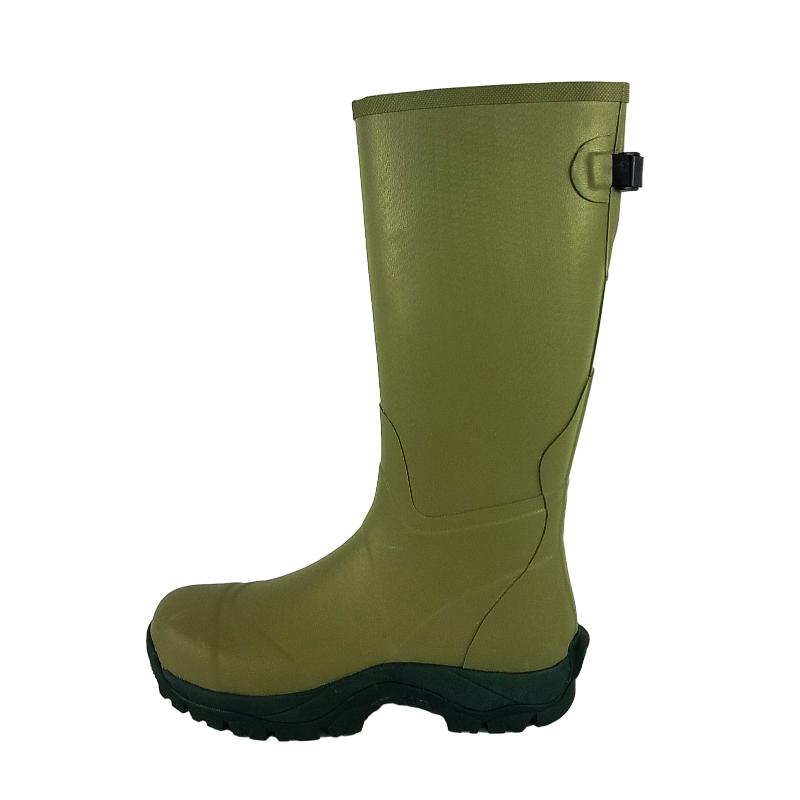
If you fish more weekends than you don’t, you start to notice the little things—how a boot flexes on a slick launch ramp, how your calves feel after a six-hour wade, how salt eats cheap compounds. That’s why I keep coming back to fishing rubber boots that are built for repeat abuse, not just catalog photos. The SY192-2, made in Baoding, Hebei, is one of those quietly competent pairs that’s been gaining traction with guides and aquaculture crews.
Industry trends (and why they matter)
The trend line’s clear: lighter compounds, higher slip ratings (SRC), and greener chemistry. Actually, more vendors now use NR/SBR blends with less plasticizer migration, so boots don’t crack in a single winter. There’s also a push toward serviceable insoles and recyclable liners—modest, but real-world useful. Supply chains have steadied post-2022, yet buyers still demand shorter MOQs and faster color customizations.
SY192-2 at a glance: specs that matter
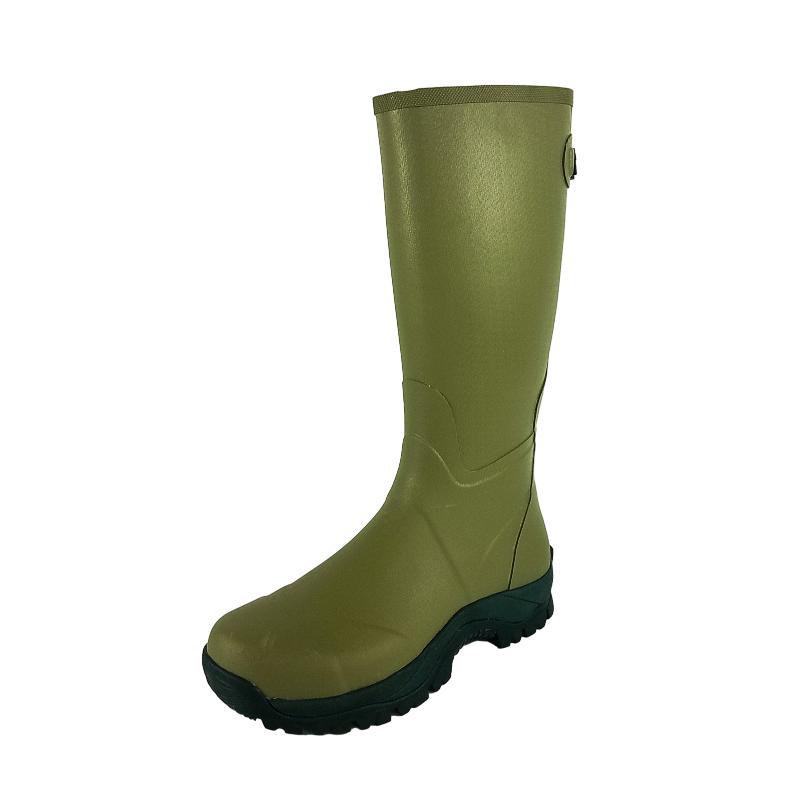
| Upper material | Natural rubber/SBR blend (≈55/45), matte finish |
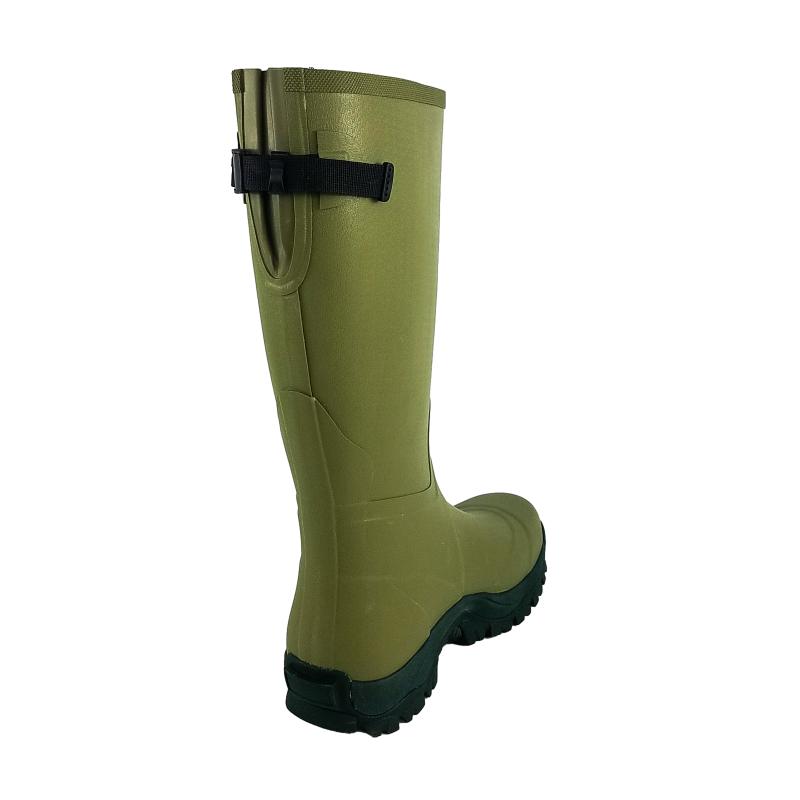
| Lining | Polyester jersey, quick-dry; optional EVA insole |
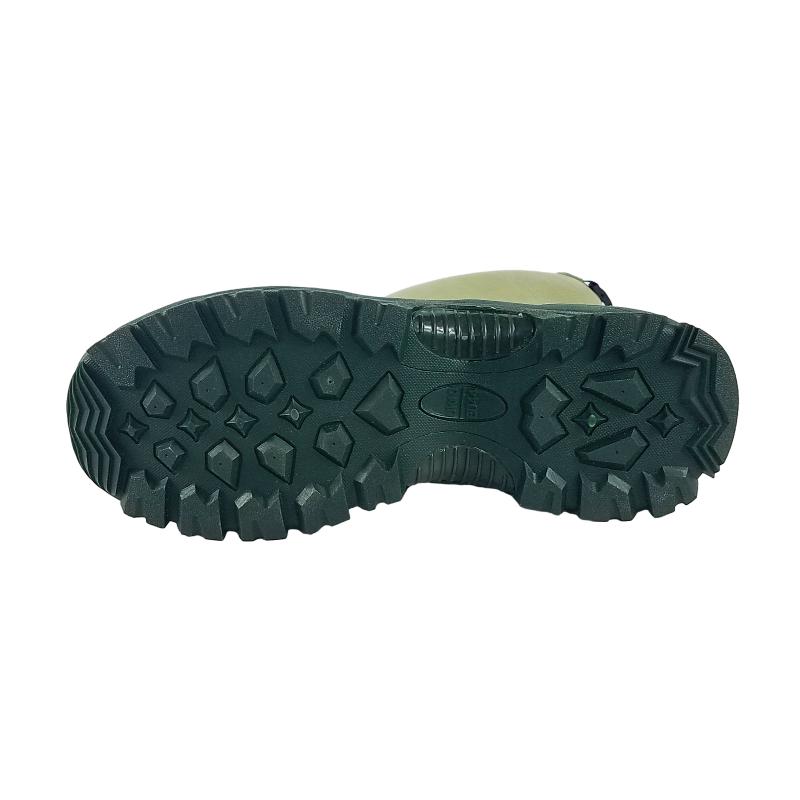
| Outsole | Lugged rubber, siped forefoot, heel brake |
| Shaft height | ≈ 35–38 cm (US men’s 9 baseline) |
| Weight | ≈ 1.6–1.8 kg/pair (real-world use may vary) |
| Sizes | EU 38–46; unisex fit |
| Certs/Compliance | CE (PPE Cat I), EN ISO 20347:2022 OBR; REACH (EC) 1907/2006 |
Process flow and testing
Materials are mixed (precise NR/SBR ratio adjusted by lot), calendared, then hand-lasted. Panels are vulcanized at controlled temps; soles are bonded, then cured. QC follows EN ISO 20344 test methods. Internal lab data on size 42 samples: slip resistance SRC—heel on ceramic+glycerol μ ≈ 0.36, flat μ ≈ 0.44; flex cracking (Bennewart) 30,000 cycles—no through-crack; hydrostatic water test—no leakage at 30 min; salt spray on hardware—24h no red rust. Service life? Many customers say 2–3 hard seasons on boats; longer for bank anglers.
Where they shine
- Charter decks and marinas—good on wet fiberglass.
- Bank and surf casting—tall shaft keeps swash out.
- Aquaculture and hatcheries—resists brine and routine disinfectants.
- Rainy urban commutes—overkill, but comfy; I guess that’s the point.
Feedback I’ve heard: “Grip is legit on ceramic tiles,” “calves less tired,” and, to be honest, the simple pull tabs are a small joy.
Vendor snapshot (indicative)
| Vendor | Lead time | MOQ | Certs | Customization |
|---|---|---|---|---|
| Landwalk (Hebei, China) | 25–35 days | ≈ 500 pairs | CE, REACH | Colors, logo, carton, insole |
| Offshore Brand A | 40–55 days | 1,000 pairs | CE | Limited colors |
| Marketplace Label B | Ready stock | No MOQ | — | None |
Customization and logistics
Private labeling, embossed logos, shaft height tweaks, and densified EVA insoles are straightforward. Colorways usually include olive, black, and hi-vis. Factory origin: Room 9-1, Zone F, 3rd Floor, Building D, Science and Technology Industrial Park, No. 723 Cuiyuan Street, Baoding City, Hebei Province. Carton packs are reinforced; pallets on request.
Mini case study
A coastal charter outfit ran 18 pairs of fishing rubber boots for one spring season (≈ 120 guide days). Reported outsole wear was moderate; no seam leaks; two insoles replaced from heavy “rope burn” use. Crew kept them hosed and shade-dried—simple care that, frankly, extends any boot’s life.
Bottom line
If you want a reliable, adaptable pair of fishing rubber boots with real test data and sane customization, the SY192-2 is a solid bet. Not flashy—just the kind of kit that quietly earns its keep.
Authoritative citations
- EN ISO 20344:2021 – Personal protective equipment – Test methods for footwear.
- EN ISO 20347:2022 – Occupational footwear requirements (OB/SRC).
- Regulation (EU) 2016/425 – Personal Protective Equipment (PPE) Regulation.
- REACH Regulation (EC) No 1907/2006 – Registration, Evaluation, Authorisation and Restriction of Chemicals.
Latest news
-
Ultimate Guide to Choosing the Best Farmers Wellington BootsNewsApr.16,2026
-
The Ultimate Guide to Choosing the Best Professional Farming WelliesNewsApr.09,2026
-
Comprehensive Guide to Choosing the Perfect Field Wellies for Outdoor AdventuresNewsApr.07,2026
-
Choosing the Right Fit for Good Quality Wellies and Outdoor AdventuresNewsApr.04,2026
-
Choosing the Right Fit A Comprehensive Guide to Good Wellies and Outdoor FootwearNewsMar.31,2026
-
Choosing the Right Footwear A Comprehensive Guide to Good Wellington BootsNewsMar.28,2026
-
Choosing the Right Hard Wearing Wellies for Outdoor AdventuresNewsMar.26,2026