



Sep . 08, 2025 14:25
Back to list
Neoprene Safety Boots | Waterproof & Composite Toe Protection
The Evolution and Market Dynamics of Neoprene Safety Boots
In demanding industrial environments, superior protective footwear is not merely a preference but a critical necessity. Among the array of specialized safety boots, neoprene safety boots have emerged as a high-performance solution, offering unparalleled protection, comfort, and durability. Their unique material properties make them indispensable across a multitude of sectors where conventional footwear fails to meet stringent safety and operational requirements.
The market for industrial protective footwear is undergoing significant growth, driven by escalating global safety regulations, increased industrialization in emerging economies, and a heightened awareness of occupational hazards. Data from Grand View Research indicates the global personal protective equipment (PPE) market size was valued at USD 86.4 billion in 2022 and is expected to grow at a compound annual growth rate (CAGR) of 6.5% from 2023 to 2030. Within this expanding market, specialized boots like those made from neoprene are experiencing particular traction due to their enhanced resistance to chemicals, oils, and extreme temperatures.
Key industry trends underscore the increasing demand for advanced materials in safety footwear. There's a pronounced shift towards lightweight yet highly protective solutions, driving innovation in materials like composite toe caps, which offer similar impact resistance to steel without the added weight or thermal conductivity. This contributes to the rising popularity of composite toe neoprene boots. Furthermore, the imperative for multi-hazard protection – encompassing slip, chemical, electrical, and puncture resistance – is fueling the adoption of comprehensive solutions like modern safety neoprene wellies. These advancements directly address the challenges faced by workers in sectors such as petrochemical, maritime, agriculture, and wastewater treatment, where foot protection is constantly tested by corrosive substances, sharp objects, and variable climatic conditions.
The integration of ergonomic design principles and sustainable manufacturing practices is also shaping the future of industrial footwear. Manufacturers are increasingly focusing on boots that not only meet safety standards but also provide exceptional comfort for prolonged wear, reducing fatigue and improving overall worker productivity. The superior thermal insulation properties of neoprene, coupled with its inherent flexibility, significantly contribute to wearer comfort in both hot and cold environments, distinguishing these boots from conventional rubber or PVC alternatives.
Manufacturing Process Flow of Neoprene Safety Boots
The production of high-performance neoprene safety boots involves a meticulous multi-stage manufacturing process, combining advanced material science with precision engineering to ensure maximum durability and protective integrity. Unlike traditional footwear, the inherent properties of neoprene demand specialized techniques, particularly in molding and vulcanization.
Key Stages of Production:
- 1. Raw Material Preparation:
- Neoprene Compound Formulation: High-grade chloroprene rubber (neoprene) is compounded with various additives including carbon black for reinforcement, anti-degradants for UV and ozone resistance, accelerators, and sulfur for vulcanization. This precise formulation dictates the final boot's flexibility, chemical resistance, and wear characteristics.
- Safety Component Sourcing: Steel or composite toe caps (e.g., fiberglass, carbon fiber) are procured, meeting stringent impact and compression resistance standards (e.g., EN ISO 20345, ASTM F2413). Anti-penetration midsoles (steel or textile) are also prepared.
- Lining and Outsole Materials: Specialized linings (e.g., moisture-wicking textiles, thermal insulation) and robust outsole compounds (e.g., nitrile rubber for enhanced slip and oil resistance) are prepared.
- 2. Component Shaping and Assembly:
- Neoprene Cutting and Forming: Neoprene sheets are precisely cut using CNC machinery into patterns for the boot upper. These pieces are then expertly bonded or stitched.
- Lasting: The formed upper is pulled over a 'last' (a foot-shaped mold) to give the boot its ergonomic shape. The safety toe cap is inserted and secured at this stage.
- Midsole Integration: The anti-penetration midsole is placed on the last, ensuring full underfoot protection.
- 3. Vulcanization and Outsole Attachment:
- Direct Injection Molding (DIM) / Vulcanization: The assembled upper with the last is placed into an injection molding machine. The outsole compound is injected directly onto the upper and simultaneously vulcanized (cured under heat and pressure). This process chemically bonds the sole to the upper, creating an impermeable and extremely durable seal, crucial for water and chemical resistance.
- Thermal Bonding: In some designs, particularly for multi-layered neoprene construction, thermal bonding techniques are employed to fuse material layers securely, eliminating traditional stitching that could compromise waterproof integrity.
- 4. Finishing and Quality Control:
- Demolding and Trimming: Once vulcanization is complete, the boots are removed from the molds, and any excess material is carefully trimmed.
- Post-Curing and Inspection: Boots may undergo further curing. Each boot is then subjected to rigorous quality control checks, including visual inspection, functional tests (e.g., flex resistance, adhesion), and specific performance tests for water tightness, slip resistance (SRC), and protective component integrity.
- Labeling and Packaging: Conforming boots are labeled with relevant standards (e.g., EN ISO 20345:2022 S5 CI HRO SRC) and prepared for distribution.
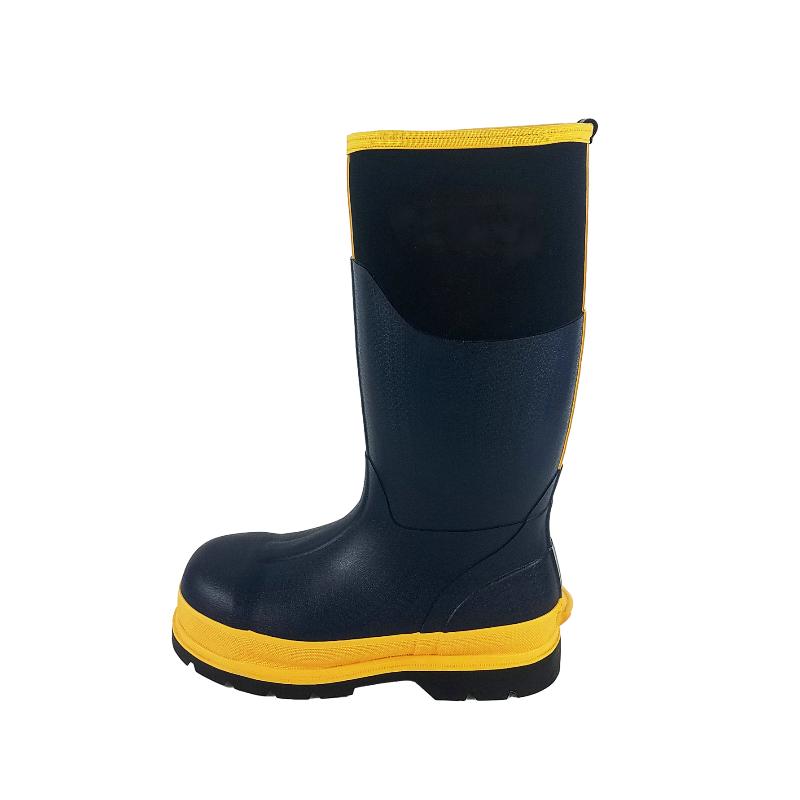
Precision manufacturing ensures the integrity of neoprene safety boots in challenging environments.
Testing Standards and Target Industries:
All boots must adhere to international safety standards such as EN ISO 20345:2022 (Europe), ASTM F2413 (USA), or CSA Z195 (Canada). The 'S5' classification, for instance, denotes features like steel or composite toe caps, penetration resistance, energy absorption in the heel, antistatic properties, and a cleated outsole, with additional markers like CI (cold insulation) or HRO (heat resistant outsole) tailored for specific hazards. The expected service life of well-maintained neoprene safety boots can exceed 12-18 months, significantly longer than PVC alternatives in corrosive environments.
These specialized boots are primarily deployed in target industries requiring robust protection against chemicals, water, and extreme temperatures. This includes the petrochemical industry, where resistance to hydrocarbons and acids is paramount; metallurgy, for protection against molten splash and high heat; water supply & drainage and wastewater treatment, where constant exposure to water, sewage, and various contaminants necessitates impermeable and chemical-resistant footwear; agriculture, for protection against animal waste, fertilizers, and muddy conditions; and marine environments, for their excellent grip and resistance to saltwater.
A key advantage in these typical application scenarios is their exceptional corrosion resistance and impermeability, which prevent hazardous liquids from compromising foot health. Furthermore, the inherent insulation properties of neoprene contribute to worker comfort and indirectly to "energy saving" by reducing physiological stress from cold or heat, allowing workers to maintain productivity for longer periods without significant fatigue due to environmental conditions.
Technical Specifications and Performance Advantages
The S5 Standard Neoprene Safety Boots SY02-18NS5 exemplify the pinnacle of protective footwear engineering, designed to meet and exceed the rigorous demands of hazardous industrial workplaces. The technical superiority of these boots stems from their meticulous material selection and advanced construction methods.
Product Specification Table: S5 Standard Neoprene Safety Boots SY02-18NS5
| Feature | Specification / Standard | Benefit |
|---|---|---|
| Model | SY02-18NS5 | Identifiable, industry-recognized product. |
| Material (Upper) | High-Grade Neoprene (Chloroprene Rubber) | Exceptional chemical, oil, ozone, and temperature resistance. Superior flexibility. |
| Material (Outsole) | Nitrile Rubber Compound | Enhanced slip resistance (SRC), HRO (Heat Resistant Outsole), oil & fuel resistance. |
| Toe Cap | Steel Toe Cap (200 Joules Impact Resistance) | Robust protection against falling objects and compression. |
| Midsole | Steel Anti-Penetration Midsole (1100N Resistance) | Protection against sharp objects piercing the sole. |
| Lining | Comfort-enhancing, Quick-Drying Textile | Moisture management, enhanced wearer comfort. |
| Standard Compliance | EN ISO 20345:2022 S5 CI HRO SRC | Guaranteed compliance with leading European safety standards. |
| CI (Cold Insulation) | Yes (Tested at -17°C) | Maintains foot warmth in cold environments, enhancing comfort and safety. |
| HRO (Heat Resistant Outsole) | Yes (Contact Heat Resistance up to 300°C for 60 seconds) | Protects feet from hot surfaces, critical in metallurgy and asphalt work. |
| SRC (Slip Resistance) | Yes (Tested on ceramic tile with NaLS and steel floor with glycerine) | Superior grip on challenging wet and oily surfaces, reducing fall risks. |
| Chemical Resistance | High (Acids, Alkalis, Oils, Fats, Hydrocarbons) | Prevents degradation and permeation from aggressive industrial chemicals. |
| Antistatic Properties | Yes (Resistance between 0.1 and 1000 Mega Ohms) | Dissipates electrostatic charge, preventing sparks in flammable environments. |
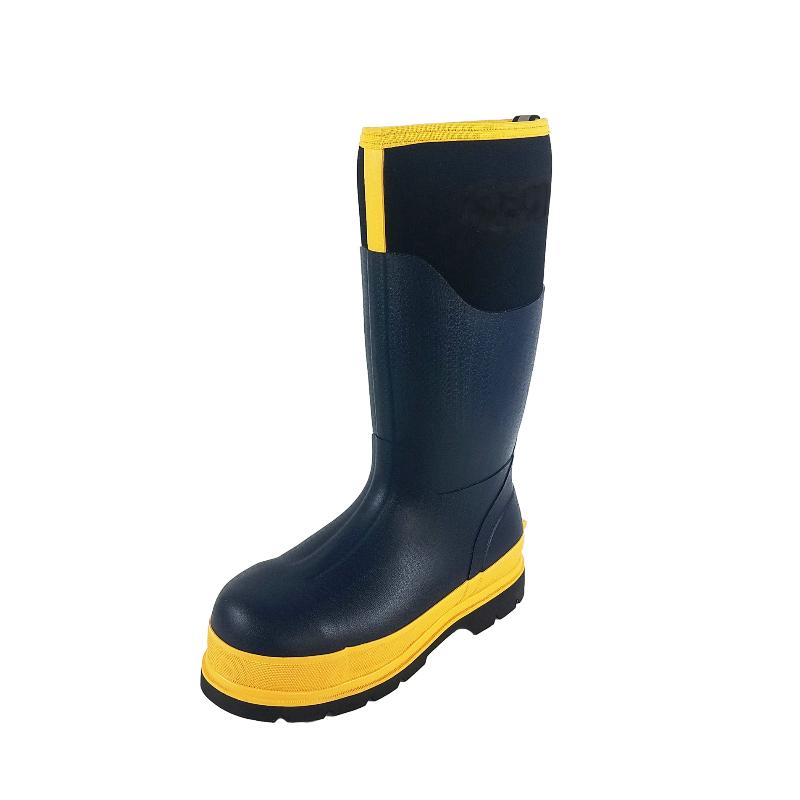
The robust construction and innovative features of our neoprene safety boots.
Technical Advantages of Neoprene:
- Superior Chemical and Oil Resistance: Neoprene's molecular structure provides exceptional resistance to a broad spectrum of industrial chemicals, oils, greases, and solvents. This makes neoprene safety boots ideal for environments where exposure to hazardous substances is common, significantly outperforming PVC or natural rubber boots in terms of longevity and protective integrity against degradation.
- Excellent Thermal Insulation (CI): The cellular structure of neoprene traps air, providing inherent thermal insulation. This property, certified by the CI mark in EN ISO 20345, ensures wearer comfort and protection in cold storage facilities, outdoor winter work, or any sub-zero industrial settings, maintaining a stable foot temperature and reducing the risk of frostbite or discomfort.
- High Heat Resistance (HRO): When combined with specialized nitrile rubber outsoles, neoprene boots can achieve HRO certification, meaning the outsole can withstand contact heat up to 300°C for at least 60 seconds without melting or significant degradation. This is crucial for workers on hot surfaces, such as asphalt layers or areas near industrial furnaces.
- Enhanced Flexibility and Comfort: Despite their robust protection, neoprene boots retain excellent flexibility, allowing for greater freedom of movement and reducing wearer fatigue over long shifts. This ergonomic advantage, combined with internal linings, contributes significantly to overall worker well-being and productivity.
- Durability and Abrasion Resistance: Neoprene is inherently tough and resistant to cuts, abrasions, and tears, contributing to a longer service life in harsh environments compared to less resilient materials.
- Slip Resistance (SRC): The advanced tread patterns and specific compound formulation of the nitrile rubber outsole provide industry-leading slip resistance on various challenging surfaces, minimizing the risk of slips, trips, and falls in wet, oily, or contaminated conditions.
Application Scenarios and Case Studies
The unparalleled protective properties of neoprene safety boots make them indispensable across a spectrum of industries where workers face diverse and challenging hazards. Their ability to provide multi-functional protection simplifies PPE selection and enhances worker safety.
Typical Application Scenarios:
- Petrochemical and Chemical Processing: Workers handling acids, caustics, oils, and other hazardous chemicals rely on the superior chemical resistance of neoprene to prevent skin exposure and boot degradation. The integral safety features like steel toe caps and anti-penetration midsoles protect against drops and sharp spills.
- Water Supply & Drainage / Wastewater Treatment: In environments with constant exposure to water, sewage, and various biological contaminants, the impermeable and robust nature of neoprene, combined with excellent slip resistance, is crucial for hygiene, safety, and preventing water ingress.
- Agriculture and Fisheries: For tasks involving animal waste, fertilizers, pesticides, muddy fields, or cold water, neoprene boots provide necessary waterproofing, chemical resistance, and thermal insulation, maintaining comfort and protection.
- Mining and Quarrying: In these rugged environments, often characterized by abrasive surfaces, sharp rock fragments, and potential for falling debris, the durability, puncture resistance, and impact protection of neoprene boots are paramount.
- Food Processing (Cold Storage): The CI (Cold Insulation) feature makes these boots ideal for chilled and frozen food processing facilities, maintaining foot warmth while offering slip and chemical resistance against various food by-products and cleaning agents.
- Construction (Outdoor, Wet Conditions): Especially in utility work, excavation, or general construction during inclement weather, the waterproof and slip-resistant qualities provide essential protection.
Application Case Studies:
- Case Study 1: Large Petrochemical Plant, Gulf Coast, USA
A major petrochemical complex faced recurring issues with traditional PVC boots degrading rapidly due to constant exposure to crude oil, refined fuels, and various acidic washdowns. This led to frequent boot replacement and potential safety risks. Upon transitioning to S5 Standard Neoprene Safety Boots, the plant observed a 60% increase in boot service life, from an average of 6 months to over 15 months. The superior chemical resistance of the neoprene prevented material breakdown, maintaining foot protection integrity, and reducing annual PPE expenditure by 35% for this category. Workers also reported enhanced comfort during long shifts, particularly in humid conditions, due to the material's flexibility.
- Case Study 2: Municipal Wastewater Treatment Facility, Northern Europe
Operating in a challenging environment with biological hazards, constant moisture, and abrasive surfaces, a wastewater treatment plant required boots that offered both extreme durability and superior hygiene. Their previous rubber boots often suffered from premature cracking and compromised waterproofing. Implementing neoprene safety wellies with SRC and CI ratings significantly improved worker safety. The boots maintained their waterproof integrity and slip resistance on wet, algae-covered grates, drastically reducing slip-and-fall incidents. The CI rating provided essential thermal comfort during winter months, enhancing worker morale and productivity, and extending the operational season for outdoor tasks.
- Case Study 3: Offshore Wind Farm Maintenance Crew, North Sea
Technicians performing maintenance on offshore wind turbines require footwear that can withstand corrosive saltwater, extreme cold, and provide robust grip on slippery platforms. Conventional boots struggled with longevity and insulation. The adoption of composite toe neoprene boots specifically designed for marine conditions proved highly effective. The neoprene resisted saltwater degradation, and the composite toe offered protection without the thermal conductivity of steel, keeping feet warmer. The HRO and SRC certified outsoles provided excellent traction on wet metal grating and decks, proving critical in minimizing accidents in a high-risk environment.
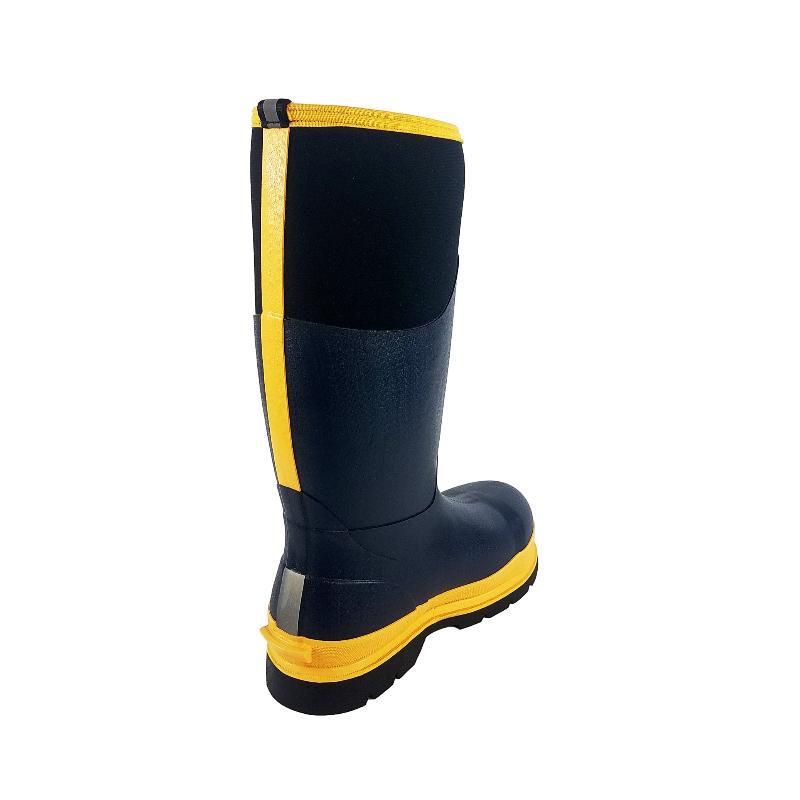
Dependable performance of neoprene safety boots in harsh industrial conditions.
Vendor Comparison and Customized Solutions
Selecting the right supplier for industrial safety footwear, particularly for specialized items like neoprene safety boots, is a critical decision for procurement managers and safety officers. Beyond basic product specifications, factors such as manufacturing expertise, quality assurance, and after-sales support significantly influence long-term value and compliance.
Key Differentiators in Vendor Comparison:
| Criterion | Industry-Leading Vendor (e.g., Landwalk Outdoor) | Standard/Commodity Vendor |
|---|---|---|
| Material Quality | Virgin, high-grade neoprene and nitrile rubber. Certified components. | Potentially blended/recycled materials, lower-grade compounds. |
| Manufacturing Process | Advanced direct injection molding, precision vulcanization, strict process control. | Basic assembly, less controlled bonding processes, potential for defects. |
| Certifications & Compliance | Full EN ISO 20345:2022 S5 CI HRO SRC, audited production, consistent quality. | Minimal certifications, self-declared compliance, inconsistent test results. |
| R&D and Innovation | Continuous material science research, ergonomic design, new feature integration (e.g., advanced insulation). | Focus on cost reduction, limited product development. |
| Customization Capability | Flexible for specific requirements (sizing, branding, specialized protective elements, color). | Limited to standard sizes and colors, no unique protective configurations. |
| After-Sales Support | Comprehensive warranty, technical support, responsive customer service, field support. | Minimal warranty, limited support, focus on sales over service. |
| Total Cost of Ownership (TCO) | Higher initial cost, but significantly longer service life, reduced injuries, and lower replacement frequency, leading to lower TCO. | Lower initial cost, but frequent replacements, higher injury rates, and potential for non-compliance leading to higher TCO. |
Customized Solutions for Specific Industrial Needs:
Recognizing that no two industrial environments are identical, leading manufacturers offer bespoke solutions tailored to unique operational demands. This customization extends beyond mere sizing and branding:
- Specialized Chemical Resistance: For industries dealing with a very specific, aggressive chemical, the neoprene compound can be formulated with tailored additives to enhance resistance against that particular substance, extending boot lifespan and worker safety.
- Enhanced Thermal Properties: In extreme cold environments (e.g., Arctic exploration, deep-freeze logistics), additional thermal insulation layers or specific neoprene thickness can be integrated to provide superior cold insulation beyond standard CI ratings. Conversely, for very high-heat environments, specific outsole compounds or boot designs can be developed for enhanced HRO performance.
- Electrical Hazard (EH) Protection: While not typical for S5 boots (which are antistatic), specialized versions can be engineered with EH protection for electrical utility workers, where foot isolation from electrical current is critical.
- Ergonomic Modifications: For workers with specific musculoskeletal requirements or prolonged standing tasks, customized insoles, ankle support, or lighter boot constructions can be developed to minimize fatigue and improve long-term foot health.
- Anti-Fatigue Features: Integration of advanced energy-absorbing heel systems or specific outsole geometry to reduce impact stress on feet and joints, contributing to improved worker comfort and productivity.
These customized solutions highlight a vendor's commitment to partnership, problem-solving, and delivering optimal safety and efficiency outcomes for their B2B clients. Engaging with a manufacturer capable of such bespoke development ensures that critical safety investments truly align with operational realities.
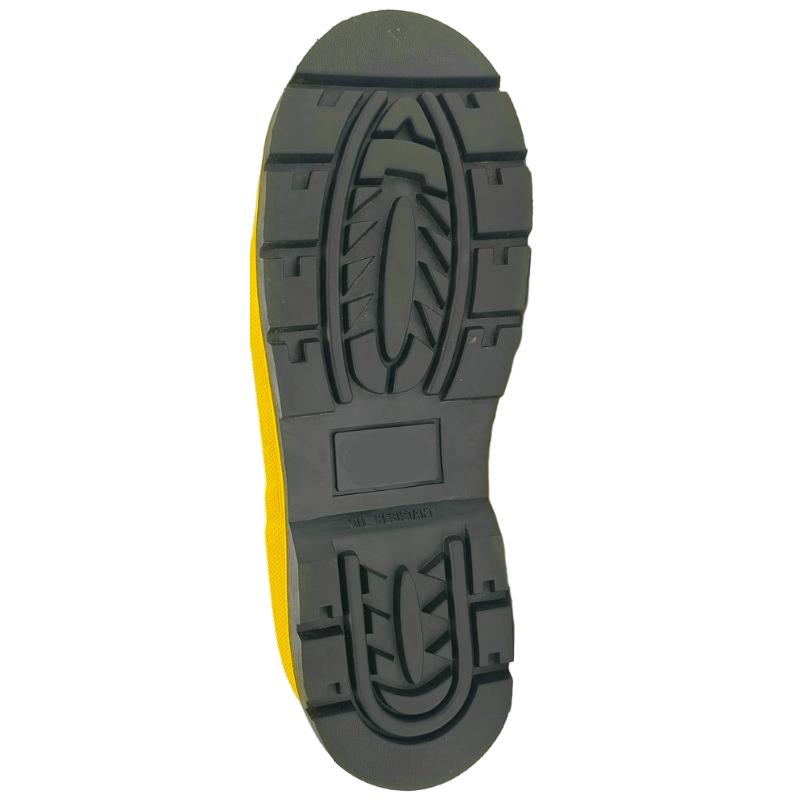
Ensuring quality and compliance through rigorous testing and certification.
Trustworthiness & Authoritativeness
Establishing trust and demonstrating authority are paramount in the B2B sector, especially for critical safety equipment. Our commitment to excellence is underpinned by rigorous adherence to international standards, transparent data, and a robust support infrastructure.
Certifications and Quality Assurance:
All our neoprene safety boots, including the S5 Standard Neoprene Safety Boots SY02-18NS5, are designed, manufactured, and tested to comply with the most stringent global safety standards. Our primary certification is EN ISO 20345:2022, ensuring:
- S5 Classification: Indicates base protection (toe cap, energy absorption, antistatic, penetration resistance) plus a cleated outsole and fully waterproof construction.
- CI (Cold Insulation): Certified protection against cold, tested at -17°C.
- HRO (Heat Resistant Outsole): Outsole resistance to contact heat up to 300°C for 60 seconds.
- SRC (Slip Resistance): Highest level of slip resistance, tested on ceramic tile with detergent and steel with glycerine.
Frequently Asked Questions (FAQ):
Q1: What makes neoprene superior to PVC or rubber for safety boots?
A1: Neoprene offers significantly better resistance to a wider range of chemicals, oils, and greases. It also provides superior thermal insulation (CI rating) and maintains flexibility in extreme temperatures, leading to enhanced durability, comfort, and a longer service life compared to traditional materials.
Q2: Are composite toe neoprene boots as protective as steel toe variants?
A2: Yes, composite toe caps are engineered to meet the same impact (200 Joules) and compression standards as steel toes. They offer the added benefits of being lighter, non-conductive (electrical and thermal), and metal-free, which can be advantageous in certain environments like metal-detector-sensitive areas or extreme cold.
Q3: How often should neoprene safety boots be replaced?
A3: While the service life can vary based on usage intensity and exposure, our neoprene safety boots are designed for an extended lifespan, typically exceeding 12-18 months under normal industrial conditions. Regular inspection for signs of wear, damage, or degradation is recommended to ensure continued protection.
Q4: Do you offer bulk discounts or customized sizing for large orders?
A4: Yes, we provide competitive pricing for bulk orders and can discuss customized sizing and other specific requirements based on project scale and industry needs. Please contact our sales team for a detailed consultation and quotation.
Lead Time, Warranty, and After-Sales Support:
- Lead Time: Standard orders are typically fulfilled within 4-6 weeks, with expedited options available upon request. For customized solutions, lead times will be provided during the consultation phase, factoring in design, prototyping, and production cycles.
- Warranty: We offer a 12-month manufacturer's warranty against defects in materials and workmanship from the date of purchase. This warranty underscores our confidence in product quality and commitment to customer satisfaction.
- Customer Support: Our dedicated B2B customer support team is available from [Your Business Hours, e.g., 9:00 AM to 5:00 PM EST, Monday-Friday] to assist with technical queries, order tracking, and any post-purchase support requirements. We provide comprehensive technical documentation and field support where necessary to ensure optimal product performance and longevity.
Conclusion
The modern industrial landscape demands protective footwear that goes beyond basic safety. Neoprene safety boots represent a significant advancement, offering a comprehensive solution that addresses a multitude of hazards with superior material science and ergonomic design. From chemical resistance and thermal insulation to robust impact protection and exceptional slip resistance, these boots are engineered to enhance worker safety, comfort, and productivity in the most challenging environments.
By understanding the detailed manufacturing processes, adhering to stringent international standards, and offering tailored solutions, we empower industries to make informed decisions that safeguard their most valuable asset – their workforce. Investing in high-quality neoprene safety boots is not just a compliance measure; it is a strategic decision that contributes to operational efficiency, reduces accident rates, and ultimately, fosters a safer and more productive work environment.
References:
- Grand View Research. (2023). Personal Protective Equipment Market Size, Share & Trends Analysis Report. Retrieved from [Industry Report Link/Source, e.g., grandviewresearch.com]
- International Organization for Standardization (ISO). (2022). EN ISO 20345:2022 - Personal protective equipment - Safety footwear.
- American Society for Testing and Materials (ASTM). (2021). ASTM F2413 - Standard Specification for Performance Requirements for Protective (Safety) Toe Cap Footwear.
- European Rubber Journal. (2023). Advances in Polymer Technology for Safety Footwear.
Latest news
-
Ultimate Guide to Choosing the Best Farmers Wellington BootsNewsApr.16,2026
-
The Ultimate Guide to Choosing the Best Professional Farming WelliesNewsApr.09,2026
-
Comprehensive Guide to Choosing the Perfect Field Wellies for Outdoor AdventuresNewsApr.07,2026
-
Choosing the Right Fit for Good Quality Wellies and Outdoor AdventuresNewsApr.04,2026
-
Choosing the Right Fit A Comprehensive Guide to Good Wellies and Outdoor FootwearNewsMar.31,2026
-
Choosing the Right Footwear A Comprehensive Guide to Good Wellington BootsNewsMar.28,2026
-
Choosing the Right Hard Wearing Wellies for Outdoor AdventuresNewsMar.26,2026