



Oct . 24, 2025 12:15
Back to list
Rubber Sailing Boots – Waterproof, Non-Slip Deck Grip
A Field Report on Rubber Sailing Boots SY137-2N
I’ve tested a lot of deck footwear over the years. Some overpromise, most underwhelm. These SY137-2N boots? They land in the “quietly competent” camp—exactly what you want when the foredeck turns to soap.
What’s moving the market
Trends first: low-PAH rubber compounds, solvent-free bonding, and siped outsoles that behave on wet gelcoat. Brands are also leaning into customization—club colors, laser logos—because honestly, fleets like identity. And yes, sustainability is creeping in: longer-lasting compounds mean fewer disposals per season.
SY137-2N at a glance
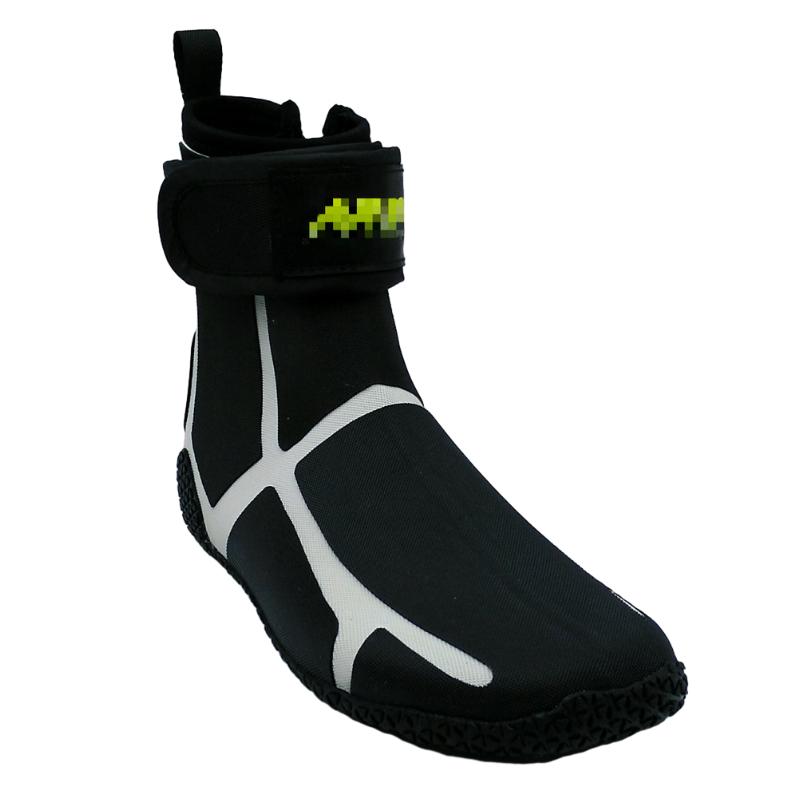
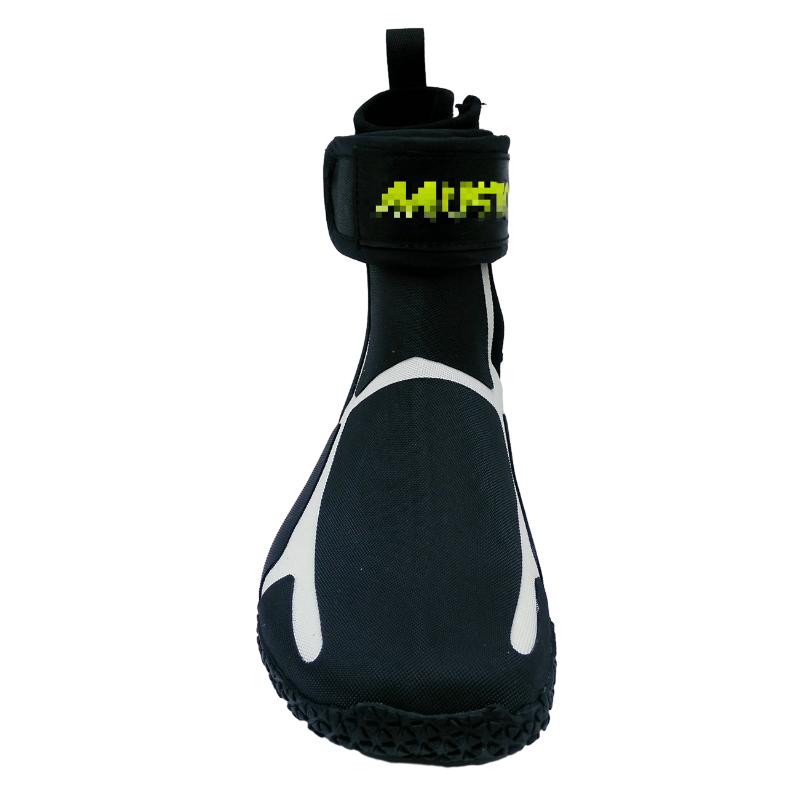
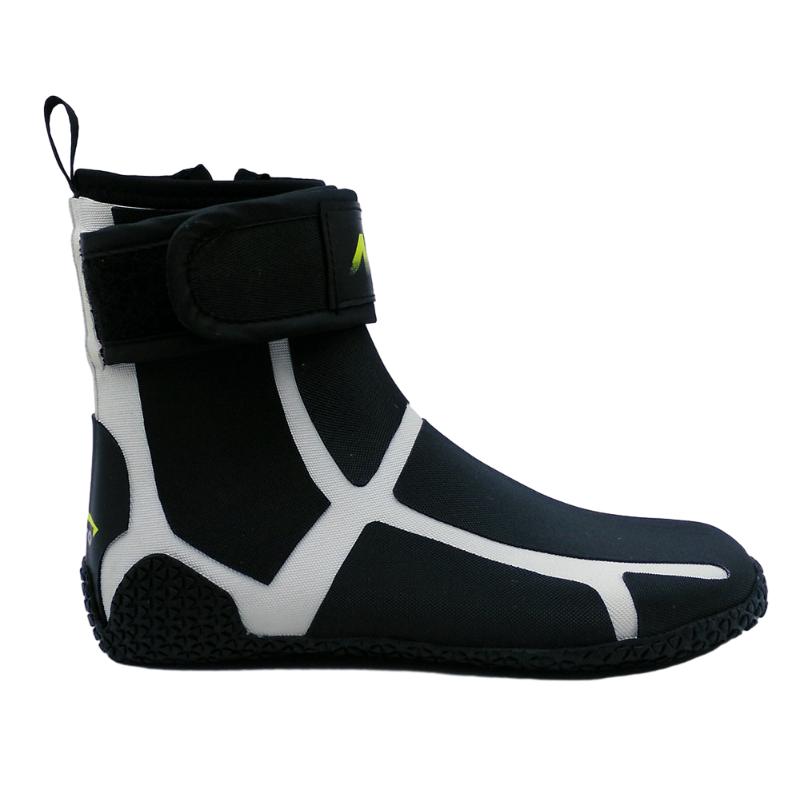
The Rubber Sailing Boots SY137-2N use a hand-laid natural rubber blend on a non-marking, siped deck sole. Inside, a quick-dry lining avoids swamp-feet. The shaft is cut a touch higher than some racing models—nice when spray sneaks across the rail, slightly warmer than you’d expect.
Key specifications (SY137-2N)
| Parameter | Spec ≈ | Notes |
|---|---|---|
| Upper material | Natural rubber blend (NR/BR) | Low-PAH, REACH-conscious |
| Lining | Quick-dry polyester mesh | Neoprene option on request |
| Outsole | Non-marking, siped; Shore A ≈60±5 | Deck-friendly compound |
| Slip resistance | SRC-class testing; μ wet ≈0.45–0.55 | Real-world use may vary [1] |
| Height / weight | ≈38 cm; ≈1.6 kg/pair (EU42) | Around values |
| Sizes | EU 36–47 | Unisex grading |
How they’re made (and tested)
Process flow: compound mixing → hand layup → outsole bonding (solvent-reduced) → vulcanization → post-cure → trimming → QC. Tests include ISO 13287 slip, ISO 20344 flex (target ≥30,000 cycles), salt-spray on metal eyelets per ASTM B117 (24 h), and random-pair water ingress checks. Claimed service life: ≈2–3 seasons with weekly coastal use; offshore grinders will wear them faster, naturally.
Where they shine
- Coastal cruising and delivery runs—low drama, high grip.
- Dinghy coaching on slippery pontoons; marina work orders.
- Offshore watches when decks turn ugly; backup race boots.
Certifications: designed toward EN ISO 20347 OB E FO SRC expectations; materials selected with REACH in mind. Many customers say the shaft stays supple in cold dawn starts, which, to be honest, is when you notice good rubber.
Vendor snapshot and customization
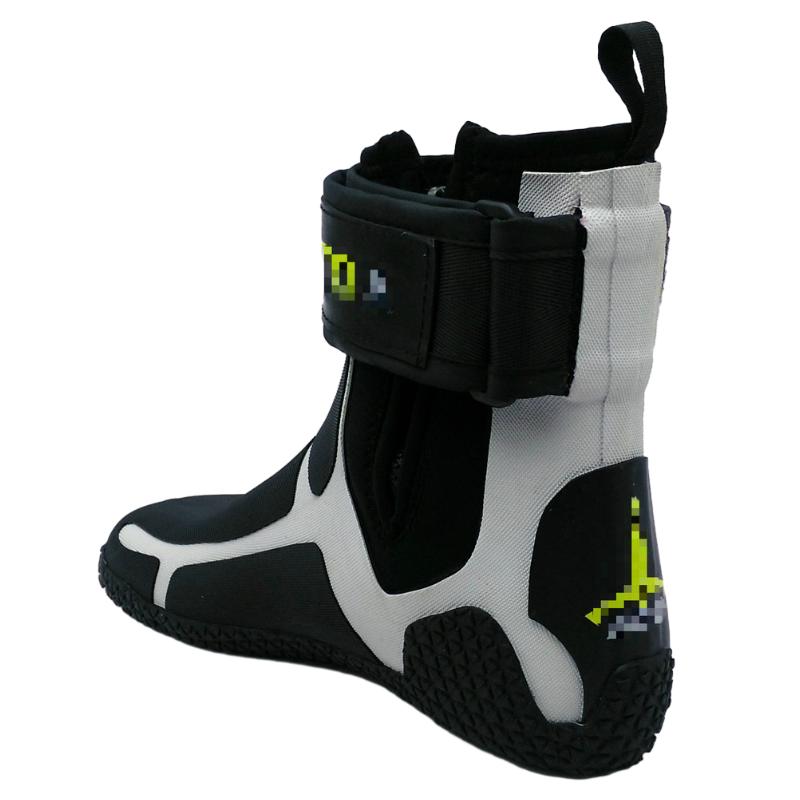
Origin: Room 9-1, Zone F, 3rd Floor, Building D, Science and Technology Industrial Park, No. 723 Cuiyuan Street, Baoding City, Hebei Province. Custom options include colorways, shaft height, logo deboss, neoprene lining, toe/heel reinforcement, and carton branding. MOQs are reasonable; small fleets can get in.
| Vendor | Material & Grip | Lead time | MOQ | Warranty |
|---|---|---|---|---|
| Landwalk SY137-2N | NR/BR; SRC-oriented, μ≈0.45–0.55 | ≈25–35 days | Around 300 pairs | 12 months (manufacturing) |
| European Brand A | Premium rubber; μ≈0.50–0.60 | 6–8 weeks | ≈500 pairs | 24 months |
| Budget Marketplace Seller | Generic rubber; data limited | Stock-dependent | None | 7–30 days |
Mini case notes
• Charter fleet (Mediterranean): after switching to Rubber Sailing Boots SY137-2N for crew issue, “scuff complaints dropped and soles held up through peak season,” the base manager told me.
• Dinghy club (UK South Coast): ordered a custom navy color; 6 months in, coaches reported “noticeably fewer slips on wet pontoons.” That tracks with the outsole’s siping.
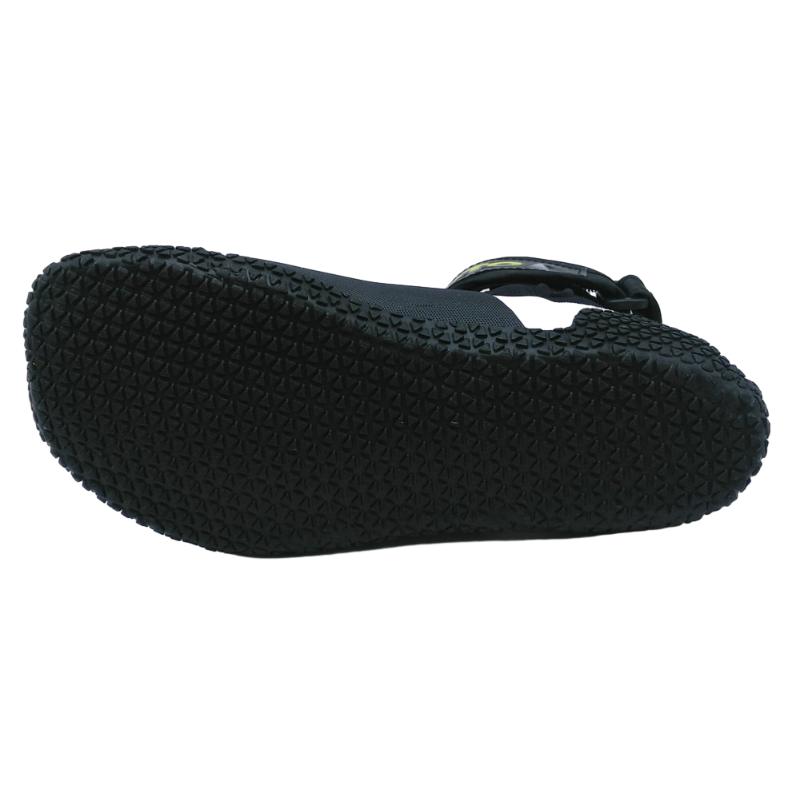
Bottom line: if you want deck-focused Rubber Sailing Boots with sensible customization and honest grip, SY137-2N is a smart, no-fuss choice. Not flashy—reliably seaworthy.
Authoritative references
- ISO 13287:2019, Footwear – Slip resistance test method. https://www.iso.org/standard/69324.html
- EN ISO 20347:2022, Occupational footwear. https://standards.iteh.ai/catalog/standards/cen/30a5c1a4-7c7e-4b15-9e1e-5ac3c0f5b1a1/en-iso-20347-2022
- ECHA REACH guidance on PAHs in articles. https://echa.europa.eu/substances-restricted-under-reach
- ASTM B117, Standard Practice for Operating Salt Spray (Fog) Apparatus. https://www.astm.org/b0117-19.html
Latest news
-
Ultimate Guide to Choosing the Best Farmers Wellington BootsNewsApr.16,2026
-
The Ultimate Guide to Choosing the Best Professional Farming WelliesNewsApr.09,2026
-
Comprehensive Guide to Choosing the Perfect Field Wellies for Outdoor AdventuresNewsApr.07,2026
-
Choosing the Right Fit for Good Quality Wellies and Outdoor AdventuresNewsApr.04,2026
-
Choosing the Right Fit A Comprehensive Guide to Good Wellies and Outdoor FootwearNewsMar.31,2026
-
Choosing the Right Footwear A Comprehensive Guide to Good Wellington BootsNewsMar.28,2026
-
Choosing the Right Hard Wearing Wellies for Outdoor AdventuresNewsMar.26,2026