



Dec . 24, 2025 15:13
Back to list
Safety Rain Boots for Industrial and Outdoor Protection
Safety rain boots are an essential category of protective footwear for businesses operating in industrial, agricultural, municipal, and outdoor work environments. Unlike casual rain footwear, professional-grade safety rain boots are engineered to deliver foot protection, waterproof performance, and workplace compliance under demanding conditions. For B2B buyers, selecting the right product means balancing durability, safety standards, cost efficiency, and long-term performance.
In sectors such as construction, farming, logistics, sanitation, fisheries, and infrastructure maintenance, workers are frequently exposed to water, mud, oil, chemicals, and uneven ground. In these settings, safety wellingtons provide a reliable barrier between the worker and hazardous environments, helping employers reduce accident risks, downtime, and replacement costs.
Why Safety Wellington Boots Matter for B2B Buyers
From a business perspective, protective footwear is not just a consumable item—it is part of an organization’s risk management and compliance strategy. High-quality safety wellingtons are designed to protect against slips, punctures, chemical splashes, and prolonged moisture exposure. This directly contributes to workplace safety metrics and employee productivity.
Modern safety rain boots typically feature reinforced toe areas, thick rubber or neoprene uppers, and slip-resistant soles. Many models also incorporate oil resistance, anti-static properties, and shock absorption. For procurement managers and distributors, these technical attributes translate into lower injury claims, fewer replacements, and improved worker satisfaction.
For companies involved in agriculture, landscaping, forestry, and outdoor maintenance, outdoor wellies are a daily necessity rather than an occasional accessory. These environments demand boots that can withstand continuous exposure to mud, water, manure, fertilizers, and changing weather conditions.
Professional outdoor wellies are engineered with waterproof construction and durable linings that resist cracking and deformation. Thick outsoles provide stability on uneven terrain, while ergonomic footbeds reduce fatigue during long shifts. For B2B customers, investing in high-quality outdoor wellies ensures consistent performance across seasons and minimizes operational interruptions caused by footwear failure.
Reducing Workplace Accidents with Non Slip Wellington Boots
Slips and falls remain one of the most common workplace accidents, particularly in wet or oily environments. Non slip wellingtons are specifically developed to address this risk by using advanced outsole patterns and rubber compounds that maintain grip on smooth, wet, or contaminated surfaces.
Industries such as food processing, waste management, marine operations, and factory cleaning benefit significantly from non slip wellington boots. For employers and safety officers, specifying footwear with certified slip-resistant soles helps meet occupational safety regulations and reduces liability exposure. From a distributor’s standpoint, non slip wellingtons are a high-demand product category due to their universal application across industries.
Color selection may seem secondary, but in many industries, footwear must align with corporate identity, uniforms, or safety coding systems. Navy wellington boots are widely used in industrial and municipal sectors because they offer a professional appearance while concealing dirt and wear better than lighter colors.
For organizations that issue standardized workwear, navy wellington boots provide a consistent, clean look suitable for both indoor and outdoor tasks. They are commonly adopted by port authorities, cleaning contractors, public utilities, and logistics companies. For wholesalers and importers, navy wellington boots represent a versatile SKU that appeals to multiple professional sectors.
Practical Advantages of Navy Wellies in Bulk Supply
In large-scale procurement, visual consistency and durability are key considerations. Navy wellies are favored by B2B buyers because they strike a balance between aesthetics and functionality. The darker color helps maintain a professional appearance even after extended use in harsh conditions.
From an inventory management perspective, navy wellies are easier to standardize across departments and projects. They reduce the need for multiple color variants while still meeting safety and appearance requirements. For OEM and private-label customers, navy wellies also offer strong market acceptance in both domestic and export markets.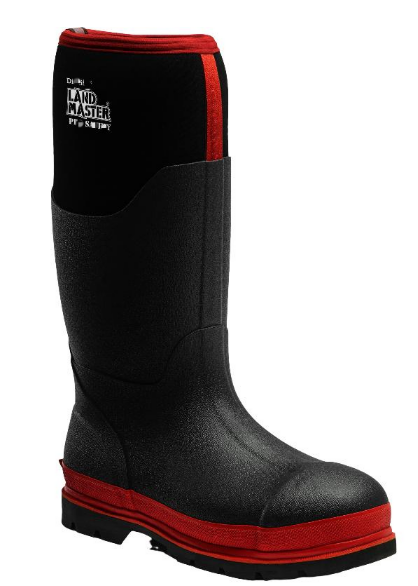
Material and Performance Considerations for Safety Rain Boots
Most professional safety rain boots are manufactured from high-grade rubber or rubber-neoprene composites. These materials provide excellent waterproofing, flexibility, and resistance to chemicals and abrasion. Linings may include moisture-wicking fabrics or insulated layers for cold environments.
Non-slip outsoles, reinforced heels, and shock-absorbing midsoles are critical for long working hours. Some safety rain boots also feature anti-static and oil-resistant properties, making them suitable for petrochemical plants, workshops, and energy facilities. For B2B clients, these features ensure that one product can meet multiple operational requirements.
Choosing the Right Safety Rain Boots for Your Business
For distributors, importers, and corporate buyers, selecting the right safety rain boots involves evaluating usage scenarios, compliance standards, and total cost of ownership. It is important to consider the working environment, exposure risks, and expected service life of the boots.
Reliable suppliers should be able to provide consistent quality, stable production capacity, and customization options such as logo branding, color selection, and packaging. In competitive markets, safety rain boots that combine durability, comfort, and compliance offer the strongest value proposition for long-term partnerships.
FAQs Safety Rain Boots for Professional Use
What Are Safety Wellington Boots Commonly Used For?
Safety wellington boots are widely used in construction, agriculture, industrial cleaning, logistics, fisheries, and municipal services where waterproofing and foot protection are essential.
Why Are Non Slip Wellington Boots Important in the Workplace?
Non slip wellington boots reduce the risk of slips and falls on wet, oily, or smooth surfaces, helping companies improve safety performance and meet regulatory requirements.
Are Navy Wellington Boots Suitable for Industrial Use?
Yes, navy wellington boots are commonly used in industrial and municipal environments due to their professional appearance, durability, and ease of maintenance.
How Do Outdoor Wellies Differ from Regular Rain Boots?
Outdoor wellies designed for professional use offer thicker materials, reinforced soles, and better traction compared to casual rain boots, making them suitable for long working hours.
What Should B2B Buyers Look for When Sourcing Safety Rain Boots?
B2B buyers should focus on material quality, slip resistance, compliance standards, supplier reliability, and the ability to support bulk orders or customization.
Latest news
-
Ultimate Guide to Choosing the Best Farmers Wellington BootsNewsApr.16,2026
-
The Ultimate Guide to Choosing the Best Professional Farming WelliesNewsApr.09,2026
-
Comprehensive Guide to Choosing the Perfect Field Wellies for Outdoor AdventuresNewsApr.07,2026
-
Choosing the Right Fit for Good Quality Wellies and Outdoor AdventuresNewsApr.04,2026
-
Choosing the Right Fit A Comprehensive Guide to Good Wellies and Outdoor FootwearNewsMar.31,2026
-
Choosing the Right Footwear A Comprehensive Guide to Good Wellington BootsNewsMar.28,2026
-
Choosing the Right Hard Wearing Wellies for Outdoor AdventuresNewsMar.26,2026