



Sep . 02, 2025 02:00
Back to list
Stay Warm & Dry: Premium Insulated Wellingtons for All Weather
Industry Trends and the Evolving Role of Protective Footwear
The demand for specialized personal protective equipment (PPE) in industrial sectors continues to escalate, driven by stringent safety regulations, technological advancements, and a heightened awareness of occupational hazards. Among the most critical components of this equipment are robust footwear solutions designed to protect workers in challenging environments. Particularly, the segment of insulated wellingtons is experiencing significant growth. This surge is propelled by the expansion of utilities, petrochemical, mining, and construction industries, where electrical hazards, extreme temperatures, and corrosive substances are prevalent.
Modern industrial operations necessitate not just basic protection but integrated solutions that offer multi-faceted defense. This includes not only physical impact and puncture resistance but also protection against electrical shock, thermal extremes, and chemical degradation. As such, the evolution of insulated welly boots has moved beyond simple rubber construction to incorporate advanced polymeric compounds, multi-layer insulation systems, and ergonomic designs for enhanced wearer comfort and productivity. The market is increasingly seeking footwear that complies with international safety standards, offers extended service life, and provides verifiable performance data to minimize operational risks and liabilities.
Recent market analyses indicate a Compound Annual Growth Rate (CAGR) of 5.5% for the global protective footwear market, with specialized segments like electrical insulating boots showing even higher growth trajectories. This growth is heavily influenced by mandates from bodies like OSHA (Occupational Safety and Health Administration) and the IEC (International Electrotechnical Commission), which continually refine safety protocols for hazardous work environments. Furthermore, innovations in material science are enabling manufacturers to produce lighter, more durable, and more comfortable insulated wellies, directly addressing user feedback regarding fatigue and flexibility.
Technical Specifications and Material Science of Electrical Insulating Rubber Boots SYSA-1
The performance of advanced protective footwear, such as the Electrical Insulating Rubber Boots SYSA-1, hinges on sophisticated material science and precise engineering. These boots are specifically designed to provide robust dielectric protection, making them indispensable in environments with electrical hazards. The core of their insulating capability lies in the selection and processing of specialized rubber compounds, primarily high-grade natural and synthetic rubbers, formulated to achieve optimal dielectric strength while maintaining flexibility and durability.
Key Material Components:
- Upper Material: High-quality dielectric rubber blend, typically a combination of natural rubber for elasticity and neoprene or nitrile for enhanced chemical resistance and durability. This blend is engineered to withstand specific voltage levels without breakdown, often tested to ASTM F1116 or EN 50321 standards.
- Lining: Insulating textile lining, such as felt, fleece, or synthetic thermals (e.g., Thinsulate™), provides thermal protection against cold environments. This also aids in moisture management to maintain foot comfort.
- Midsole/Outsole: Robust, slip-resistant rubber outsole patterned for superior traction on wet, oily, or uneven surfaces. The outsole is also formulated for excellent abrasion resistance and resistance to hydrocarbons. In many insulated wellington boots, a puncture-resistant midsole (e.g., steel or composite) is integrated for added protection.
- Toe Protection: Integrated steel toe cap or composite toe cap, conforming to safety standards like ASTM F2413 or EN ISO 20345, providing impact and compression resistance up to 200 Joules.
The SYSA-1 model is a prime example of an advanced insulated wellingtons product, meticulously engineered to meet the demanding requirements of electrical work. Its construction focuses on a seamless, watertight barrier, crucial for maintaining insulation properties in wet conditions. The rubber compound is carefully calibrated to resist ozone, UV radiation, and common industrial chemicals, which can degrade standard rubber over time.
Product Specification Table: Electrical Insulating Rubber Boots SYSA-1
| Feature | Specification | Standard/Test Method |
|---|---|---|
| Dielectric Strength (AC Withstand) | Up to 20 kV (RMS) for 3 minutes | ASTM F1116/F1117, EN 50321-1:2018 (Class 2) |
| Leakage Current | < 10 mA at 10 kV | ASTM F1116/F1117 |
| Impact Resistance (Toe Cap) | 200 Joules | ASTM F2413 I/75, EN ISO 20345 SBP/S5 |
| Compression Resistance (Toe Cap) | 15 kN | ASTM F2413 C/75, EN ISO 20345 SBP/S5 |
| Puncture Resistance (Midsole) | > 1100 N (with 4.5mm nail) | EN ISO 20345 P |
| Slip Resistance | SRC (on ceramic tile with detergent & steel floor with glycerol) | EN ISO 20345 |
| Cold Insulation (CI) | Maintains foot temperature at -17°C for 30 min | EN ISO 20345 CI |
| Chemical Resistance | Resistant to dilute acids, alkalis, oils, and greases | Internal Testing, ASTM D471 |
| Height/Size Range | Varies by size, full knee-high protection typically 38-40 cm | Standard EU/US sizing |
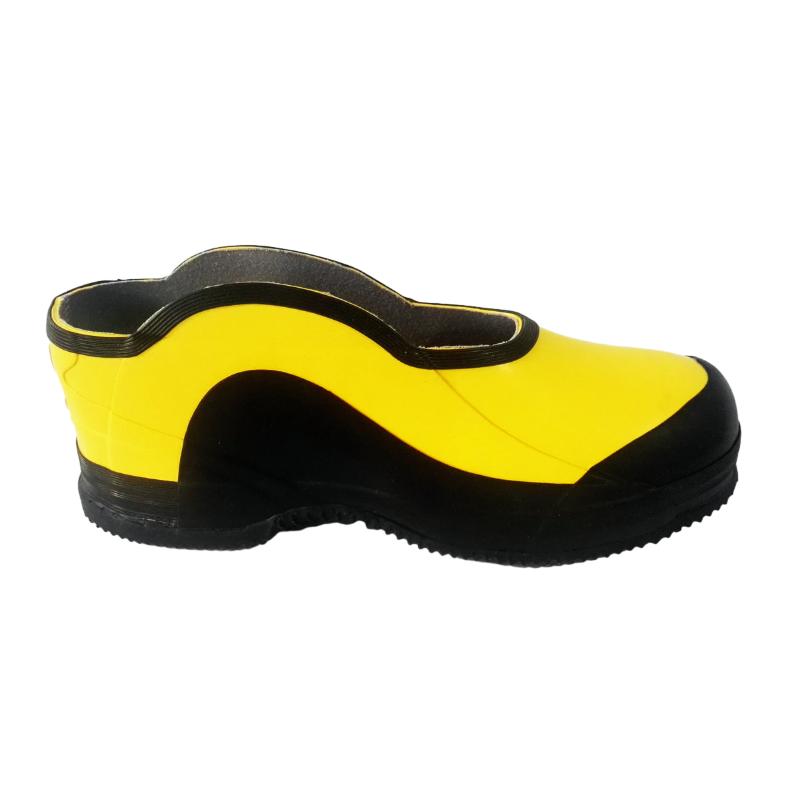
The integration of these advanced materials and compliance with international standards ensures that SYSA-1 provides superior protection and longevity, crucial for safety-critical applications.
Precision Manufacturing Process of Insulated Wellingtons
The manufacturing of high-performance insulated wellingtons is a complex, multi-stage process that combines traditional craftsmanship with modern industrial techniques. The objective is to produce a seamless, durable, and highly protective boot that meets rigorous safety standards. The process emphasizes material integrity, precise assembly, and exhaustive quality control.
Manufacturing Process Flow:
- Raw Material Procurement and Compounding: High-grade natural and synthetic rubbers, polymers, and additives are sourced from certified suppliers. These raw materials undergo rigorous quality checks for purity and consistency. In the compounding phase, specific formulations are created by blending various rubbers with vulcanizing agents, accelerators, fillers, and pigments in Banbury mixers or two-roll mills. This precise mixing ensures the desired physical, chemical, and dielectric properties of the final rubber compound.
- Calendering and Sheeting: The compounded rubber is then fed into a calender machine, which rolls it into sheets of uniform thickness. These sheets are often multi-layered, with different compounds forming the outer shell, insulating layers, and inner lining, depending on the boot's design. This process ensures consistent material density and eliminates air bubbles, critical for dielectric integrity.
- Cutting and Assembly (Lasting): Automated cutting machines precisely cut the rubber sheets into the various components of the boot (upper, sole, reinforcement patches). These components are then assembled by skilled technicians over a last (a foot-shaped mold). The upper is hand-laid or machine-formed around the last, and subsequent layers, including the insulating liner and any specialized reinforcement, are meticulously applied. This phase requires significant expertise to ensure a perfect, watertight seal and correct anatomical fit.
- Vulcanization (Curing): The assembled boots, still on the lasts, are then placed in large vulcanization autoclaves. Here, under controlled heat and pressure, the rubber compounds undergo a chemical cross-linking process (curing). This irreversible reaction transforms the soft, pliable rubber into a strong, elastic, and durable material with permanent shape and enhanced mechanical and electrical properties. This step is crucial for achieving the specified dielectric strength and overall boot integrity.
- Sole Attachment and Finishing: After vulcanization, the outsoles are either molded directly onto the boot during the curing process or securely bonded using strong adhesives and further heat treatment. Reinforcements like toe caps (steel or composite) and puncture-resistant midsoles are integrated either during assembly or after vulcanization, depending on the design. Final finishing includes trimming excess material, cleaning, and applying protective coatings.
- Testing and Quality Control: Every batch, and often every individual boot, undergoes comprehensive testing. For electrical insulating boots, dielectric withstand voltage tests (e.g., to ASTM F1117 or EN 50321) are mandatory, where boots are submerged in conductive baths and subjected to high voltage to detect any leakage current or breakdown. Other tests include slip resistance, abrasion resistance, cold insulation, impact and compression resistance for toe caps (e.g., to EN ISO 20345), and puncture resistance. These stringent checks ensure compliance with international standards and a service life typically ranging from 3 to 5 years under normal use, with proper maintenance.
This meticulous process ensures that each pair of insulated wellington boots provides reliable protection, especially in target industries such as petrochemicals (where chemical resistance is vital), metallurgy (heat and puncture protection), and water supply & drainage (waterproofing and slip resistance). The advantages in typical application scenarios include enhanced worker safety, reduced downtime due to injury, and significant energy savings by preventing electrical accidents.
Application Scenarios and Target Industries
The versatility and critical protective features of insulated wellingtons make them essential footwear across a wide array of demanding industrial environments. Their design addresses multiple hazards simultaneously, providing comprehensive protection for workers in safety-critical roles.
Primary Target Industries:
- Electrical Utilities & Power Transmission: Linemen, substation technicians, and maintenance crews frequently encounter high-voltage environments. Electrical insulating boots are paramount to prevent arc flash and electrical shock injuries. The SYSA-1's Class 2 rating (20 kV) is ideal for these applications.
- Petrochemical and Chemical Processing: Workers in refineries, chemical plants, and hazardous waste sites require protection against corrosive chemicals, oils, and greases, alongside potential electrical risks and slip hazards. The chemical-resistant properties of advanced rubber compounds are critical here.
- Mining and Quarrying: These environments are characterized by uneven terrain, water, mud, sharp debris, and potential for electrical equipment use. Insulated safety wellingtons offer puncture resistance, slip protection, and insulation against both cold and electrical current.
- Construction and Civil Engineering: Sites often involve heavy machinery, wet conditions, rebar, and temporary electrical installations. Robust, waterproof, and electrically insulating wellingtons ensure foot safety and stability.
- Water Supply & Drainage Systems: Employees working in sewers, pumping stations, and water treatment facilities face biohazards, constant wetness, and slippery surfaces. Waterproof and chemical-resistant boots are vital for hygiene and safety.
- Telecommunications: Technicians working on outdoor lines or in underground conduits where power cables may be present require reliable electrical insulation.
Typical Application Scenarios & Advantages:
- Live Electrical Work: During maintenance or repair of energized circuits (e.g., 400V to 1000V AC in low voltage networks, or up to 17kV DC in specific applications), these boots provide the primary electrical insulation barrier from the ground. This direct application demonstrates immediate safety advantages, preventing fatal shocks and severe burns.
- Cold Weather Outdoor Operations: In northern regions or during winter, construction, utility, and mining operations continue. The cold insulation properties (CI rated) of these boots protect against frostbite and maintain worker comfort, thereby boosting productivity and reducing cold-related health incidents.
- Hazardous Liquid Spill Response: Emergency responders and hazmat teams rely on the chemical and waterproof properties to protect against aggressive liquids, preventing skin absorption and contamination. Their robust construction also protects against punctures from debris during cleanup operations.
- Energy Saving: Beyond direct safety, employing high-quality insulated wellies contributes to energy saving through reduced downtime. Fewer accidents mean fewer lost workdays, reduced medical costs, and continuous operational efficiency, which translates directly into cost savings for the employer.
- Corrosion Resistance: In chemical plants or coastal industrial facilities, equipment and PPE are exposed to corrosive agents. The specialized rubber compounds resist degradation from acids, alkalis, and saline environments, ensuring a longer service life for the boots and consistent protection for the wearer, thereby reducing replacement costs.
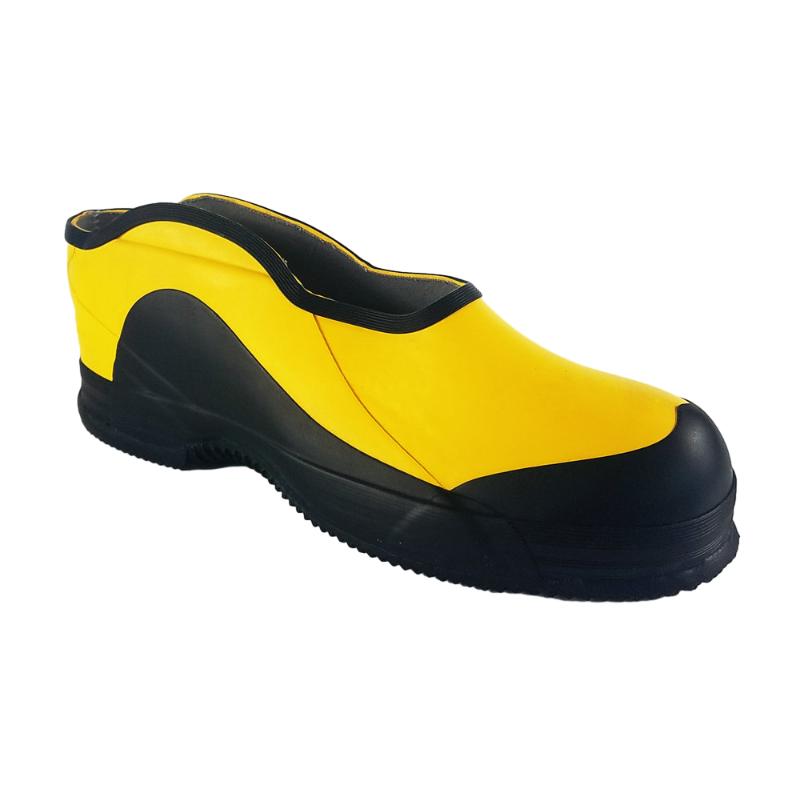
These extensive application scenarios highlight the indispensable nature of properly specified and manufactured insulated protective footwear in safeguarding personnel and ensuring operational continuity.
Technical Advantages of High-Performance Insulated Wellingtons
The technical superiority of advanced insulated wellingtons extends beyond mere compliance with safety standards. It encompasses a suite of features engineered to maximize protection, comfort, and operational longevity in the most challenging industrial settings.
Key Technical Advantages:
- Superior Dielectric Protection: Precision-formulated rubber compounds provide a high dielectric strength, ensuring robust insulation against electrical currents up to specified voltages (e.g., 20kV for Class 2 boots per EN 50321-1). This is the primary advantage, safeguarding workers from potentially fatal electrical shocks. Regular re-testing protocols (e.g., every 6-12 months for in-service boots per ASTM F1117) ensure ongoing compliance and safety.
- Advanced Thermal Insulation: Integrated multi-layer linings, often utilizing materials like Thinsulate™ or fleece, offer exceptional thermal resistance. This feature, indicated by the 'CI' (Cold Insulation) marking per EN ISO 20345, keeps feet warm in sub-zero temperatures, preventing cold stress injuries and maintaining dexterity.
- Enhanced Slip Resistance: Outsoles are designed with specialized tread patterns and rubber compounds that achieve high coefficients of friction on diverse surfaces. Ratings like SRC (Slip Resistance on ceramic tile with detergent and steel floor with glycerol) indicate superior grip, drastically reducing slips, trips, and falls, which are major causes of workplace injuries.
- Chemical and Oil Resistance: Nitrile or specific polymeric blends in the outer layer provide resistance to a broad spectrum of industrial chemicals, oils, greases, and solvents. This prevents material degradation, extends boot life, and protects the wearer from chemical burns or contamination.
- Durability and Puncture Resistance: Reinforced toe caps (steel or composite) withstand significant impact (200 Joules) and compression (15 kN). Puncture-resistant midsoles (e.g., steel plates or advanced textile composites) protect against penetration by sharp objects (nails, glass, rebar), conforming to EN ISO 20345 'P' requirements.
- Ergonomic Design and Comfort: Despite their robust construction, modern insulated safety wellingtons are designed for wearer comfort. Features include anatomical footbeds, lightweight materials (where possible without compromising safety), and flexible upper construction to reduce fatigue during long shifts, directly impacting worker morale and productivity.
- Waterproof and Impermeable Construction: The vulcanized, seamless rubber construction ensures complete waterproofing, vital for wet or muddy environments. This impermeability prevents moisture ingress, which could otherwise compromise electrical insulation or lead to discomfort and foot health issues.
These technical advantages are critical differentiators, ensuring that investments in high-quality protective footwear translate into tangible benefits: reduced injury rates, compliance with evolving safety legislation, increased operational efficiency, and a demonstrable commitment to worker well-being. The rigorous testing and certification processes (e.g., ISO, ASTM, EN standards) underscore the authoritativeness and reliability of these products in real-world scenarios.
Vendor Comparison for Insulated Wellingtons
Selecting the right vendor for insulated wellingtons is a strategic decision that impacts safety, compliance, and long-term cost-effectiveness. While many manufacturers offer protective footwear, key differentiators emerge in material quality, adherence to standards, customization capabilities, and after-sales support.
Key Comparison Parameters:
- Certifications and Compliance: A leading vendor will hold comprehensive certifications such as EN 50321-1:2018 (for electrical insulation), EN ISO 20345 (general safety footwear), and ASTM F1116/F1117 (US standards for insulating footwear). Verification of these certifications with independent testing bodies is crucial.
- Material Science and Innovation: Differentiate vendors based on their rubber compounds' resistance to specific chemicals, temperature extremes, and ozone. Manufacturers using proprietary blends or those demonstrating ongoing R&D in materials science often offer superior performance.
- Manufacturing Process Quality: Look for vendors with transparent manufacturing processes, including rigorous in-house testing at each stage, especially during vulcanization and final electrical testing. Automated and controlled processes typically lead to greater consistency and reliability.
- Customization and Sizing Options: The ability to provide bespoke solutions (e.g., specific shaft heights, different linings, company branding, wider size ranges) can be a significant advantage for large industrial clients with diverse workforces.
- Warranty and Service Life: A strong warranty reflects confidence in product quality. Vendors offering extended warranties or clear guidelines on expected service life (and re-testing requirements) provide greater long-term value.
- After-Sales Support: Availability of technical support, product training, and efficient spare parts/replacement services are vital for seamless integration and maintenance of PPE programs.
Comparative Analysis Table: Premium vs. Standard Insulated Wellingtons
| Feature | Premium (e.g., SYSA-1 equivalent) | Standard Industrial |
|---|---|---|
| Electrical Protection | Class 2 (20kV AC) / ASTM F1117 rated. Low leakage current. | Typically Class 0 (1kV AC) or non-rated. Higher leakage. |
| Thermal Insulation | CI rated (e.g., -17°C for 30min). Multi-layer lining. | Limited or no specific cold insulation rating. Basic lining. |
| Chemical/Oil Resistance | Excellent (Nitrile/special blend), ASTM D471 compliant. | Moderate, general purpose rubber. Limited specific resistance. |
| Slip Resistance | SRC rated, advanced tread design. | Basic (SRA/SRB) or non-rated. Simpler tread. |
| Comfort & Ergonomics | Anatomical fit, anti-fatigue sole, flexible upper. | Basic fit, rigid construction. |
| Service Life | 3-5 years typically, with re-testing. | 1-2 years typically, limited re-testing potential. |
| Certifications | Multiple international (EN, ASTM, ISO). | Basic national/regional or limited international. |
By carefully evaluating these parameters, procurement professionals can ensure they partner with vendors who not only meet immediate safety needs but also provide durable, compliant, and cost-effective solutions for their workforce.
Customized Solutions and Partner Client Engagements
Recognizing that no two industrial environments are identical, leading manufacturers of insulated wellingtons offer robust customized solutions. These services cater to the unique operational challenges, environmental factors, and specific safety protocols of individual client organizations.
Customization Capabilities:
- Material Blends: Tailoring rubber compounds to enhance resistance against specific chemicals (e.g., highly concentrated acids or unique hydrocarbons) or to optimize performance in extreme temperature ranges (e.g., arctic conditions or high-heat industrial zones).
- Ergonomic Modifications: Customizing shaft height, circumference, and footbed design for specific worker demographics or specialized tasks that require greater flexibility or support. This includes accommodating diverse foot types and sizes beyond standard offerings.
- Integrated Safety Features: Incorporating additional elements like reinforced insteps, specialized kick-off spurs, or high-visibility reflective strips for low-light conditions, beyond standard safety requirements.
- Branding and Identification: Embossing or printing company logos, specific department codes, or individual serial numbers for inventory management and brand consistency.
- Compliance Adaptations: Modifying boots to meet highly specific regional or client-internal safety standards that may exceed international norms. This requires close collaboration between the client's safety officers and the manufacturer's engineering team.
Our expertise in providing customized PPE solutions has forged long-standing partnerships with global industry leaders. For over two decades, we have supplied specialized footwear to major utility companies in Europe, leading mining corporations in Australia, and significant petrochemical complexes in the Middle East. These collaborations are built on a deep understanding of their operational demands and a proven track record of delivering compliant, high-performance protective gear.
For instance, one project involved developing a variant of our Electrical Insulating Rubber Boots SYSA-1 with enhanced resistance to a specific class of aromatic hydrocarbons, a common challenge in their refinery operations. Through extensive R&D and material re-formulation, we delivered a boot that not only maintained its Class 2 electrical insulation but also significantly improved chemical resistance, thereby extending service life and enhancing worker safety in that specific high-risk environment.
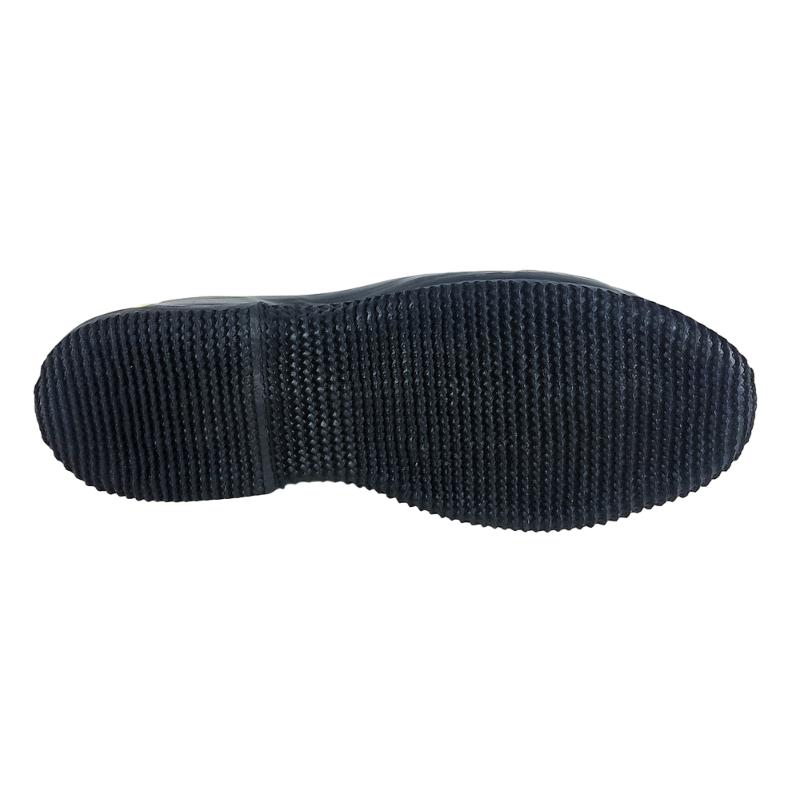
Our commitment to innovation and client-centric engineering ensures that we can address even the most niche requirements, reinforcing our position as an authoritative provider of specialized industrial footwear.
Application Case Studies: Real-World Impact
Case Study 1: Major European Electrical Utility Provider
Client: A prominent national grid operator responsible for power distribution across several regions, employing over 15,000 field technicians.
Challenge: The client required a standardized, highly reliable electrical insulating boot for all field personnel working on live low to medium voltage lines (up to 1000V AC and 17kV DC). Existing boots had inconsistent insulation properties, leading to frequent re-testing failures and concerns over worker safety in varying weather conditions.
Solution: We supplied 8,000 pairs of our Electrical Insulating Rubber Boots SYSA-1, certified to EN 50321-1:2018 Class 2 and ASTM F1117. We conducted on-site training for their safety officers regarding proper usage, inspection, and maintenance. Additionally, we provided tailored guidance on establishing an internal re-testing program in line with international best practices.
Results: Over a two-year period, the client reported a 90% reduction in footwear-related non-compliance issues during routine inspections. Field technicians reported significantly improved comfort and confidence, leading to a documented increase in productivity by 5% in tasks requiring specialized electrical protection. The boots consistently passed annual re-testing, demonstrating superior long-term dielectric integrity and durability, contributing to significant cost savings in replacement PPE.
Case Study 2: Arctic Region Mining Operation
Client: A large-scale iron ore mining company operating in sub-arctic conditions, where temperatures regularly drop below -30°C, and heavy machinery, sharp rock, and electrical equipment are ubiquitous.
Challenge: Standard protective boots failed to provide adequate thermal insulation, leading to frostbite incidents and severe discomfort. The abrasive and slippery terrain, coupled with the need for electrical safety around machinery, required a boot with exceptional multi-hazard protection.
Solution: We provided a customized version of our insulated wellingtons, featuring an enhanced Thinsulate™ thermal lining (rated for -40°C), a highly aggressive SRC-rated outsole for superior traction on ice and snow, and a Class 0 electrical insulation rating (1kV) for localized electrical hazards. The boot also incorporated extra robust toe and midsole protection against heavy impacts and punctures.
Results: The mining company observed a complete elimination of frostbite-related foot injuries among personnel wearing our boots within the first winter. Worker feedback highlighted unprecedented levels of warmth and comfort. The enhanced slip resistance reduced minor fall incidents by 15%, and the durability withstood the harsh mining environment, extending the average boot lifespan by 18 months compared to previous suppliers, resulting in substantial cost savings for the client.
Case Study 3: Chemical Manufacturing Facility in the Gulf Coast
Client: A leading producer of specialized polymers, facing daily exposure to various aggressive chemicals, oils, and a humid, hot climate.
Challenge: Existing insulated wellington boots suffered rapid degradation due to specific chemical splashes and high ambient temperatures, compromising both chemical and electrical protection. There was also a need for enhanced slip resistance on frequently wet and oily floors.
Solution: We developed a bespoke variant of our SYSA-1 boot, incorporating a specialized nitrile-butadiene rubber (NBR) blend with superior resistance to the client's specific chemical inventory, verified through immersion testing. The boot was also designed with improved breathability in the lining to mitigate heat stress, while maintaining its Class 1 (7.5kV) electrical insulation rating and SRC slip resistance. We implemented a comprehensive quarterly inspection schedule for the client's safety team.
Results: The client reported a 70% reduction in boot-related chemical exposure incidents and a 40% increase in the average lifespan of the boots, from 6 months to over 18 months, leading to significant procurement cost efficiencies. Worker feedback emphasized the improved safety confidence and reduced instances of foot discomfort, positively impacting overall workplace safety culture and compliance.
Frequently Asked Questions (FAQ)
Q1: How do I select the correct class of electrical insulating wellingtons?
A: Selection depends on the maximum voltage exposure in your work environment. Boots are classified by their maximum withstand voltage (e.g., EN 50321-1 defines classes from 00 to 4, ranging from 500V to 36kV). Always choose a boot with a voltage rating significantly higher than the maximum potential exposure. Consult with your safety officer and refer to relevant national and international standards like ASTM F1117 or EN 50321.
Q2: What is the recommended service life for insulated wellingtons, and do they require re-testing?
A: The typical service life of high-quality insulated wellington boots is between 3 to 5 years, assuming proper care and storage. For electrical insulating boots, periodic re-testing is mandatory to ensure continued dielectric integrity. Standards like ASTM F1117 recommend re-testing every 6 to 12 months, or immediately after any suspected damage or contamination. Always follow manufacturer guidelines and local regulatory requirements for re-testing and inspection.
Q3: Can these boots be used in environments with both electrical and chemical hazards?
A: Yes, many premium insulated wellies are engineered with advanced rubber compounds (e.g., nitrile blends) that provide resistance to a broad range of chemicals, oils, and greases, in addition to their electrical insulation properties. Always check the specific boot's chemical resistance chart and certifications against the chemicals present in your work environment. The SYSA-1 model, for instance, offers robust resistance to common industrial chemicals.
Q4: How should insulated wellingtons be cleaned and stored?
A: Clean boots with mild soap and water, then rinse thoroughly and allow them to air dry completely at room temperature, away from direct sunlight or heat sources. Avoid harsh solvents or abrasive cleaners. Store them in a cool, dry, dark place, away from ozone-producing equipment (e.g., electric motors) to prevent rubber degradation. Proper storage extends their service life and maintains their protective properties.
Lead Time, Warranty, and After-Sales Support
Lead Time and Fulfillment:
Our standard lead time for in-stock Electrical Insulating Rubber Boots SYSA-1 is typically 2-4 weeks for orders up to 1,000 pairs, depending on current inventory levels and shipping destination. For larger volume orders or customized solutions, lead times may range from 6-12 weeks, as these often involve specific material procurement and dedicated production runs. We work closely with our clients to provide accurate lead time estimates and offer expedited shipping options where feasible to meet urgent requirements. Our robust supply chain and efficient logistics ensure timely delivery worldwide.
Warranty Commitments:
We stand behind the quality and craftsmanship of our insulated wellingtons. The Electrical Insulating Rubber Boots SYSA-1 comes with a 12-month limited warranty from the date of purchase, covering manufacturing defects in materials and workmanship. This warranty does not cover normal wear and tear, improper use, unauthorized modifications, or damage resulting from inadequate storage or cleaning. Full warranty terms and conditions are available upon request or with product documentation.
Customer Support and After-Sales Service:
Our commitment to our clients extends far beyond the point of sale. We provide comprehensive after-sales support to ensure optimal product performance and customer satisfaction:
- Technical Assistance: Our team of product specialists and engineers is available to provide expert guidance on product selection, application, and compliance with international safety standards.
- Training Programs: We offer tailored training sessions for client safety officers and end-users on the proper inspection, care, and re-testing procedures for electrical insulating footwear.
- Responsive Issue Resolution: Dedicated customer service channels ensure prompt and efficient handling of any product queries, warranty claims, or technical issues.
- Global Network: With a network of distributors and service partners, we ensure local support and accessibility for our international clientele.
We believe that robust support infrastructure is integral to maximizing the value and safety benefits of our specialized protective footwear, fostering long-term trust and partnership with our B2B clients.
Conclusion
The evolving industrial landscape demands protective footwear that goes beyond basic compliance, offering advanced technical specifications, proven durability, and tailored solutions. High-performance insulated wellingtons, such as the Electrical Insulating Rubber Boots SYSA-1, represent the pinnacle of safety engineering, providing critical dielectric protection, thermal insulation, chemical resistance, and ergonomic comfort essential for hazardous work environments. Through stringent manufacturing processes, adherence to global standards, and continuous innovation, these specialized boots significantly enhance worker safety, reduce operational risks, and contribute to long-term cost efficiencies. Investing in such high-quality PPE is not merely a regulatory obligation but a strategic imperative for any organization committed to safeguarding its most valuable asset: its workforce.
References:
- ASTM International. (2018). Standard Specification for Electrically Insulating Footwear. ASTM F1116 / F1117.
- European Committee for Standardization. (2018). Live working - Footwear for electrical protection - Requirements and test methods. EN 50321-1:2018.
- European Committee for Standardization. (2011). Personal protective equipment - Safety footwear. EN ISO 20345:2011.
- Occupational Safety and Health Administration (OSHA). (2019). Personal Protective Equipment. 29 CFR 1910.132.
- International Electrotechnical Commission (IEC). (2020). Live working - Electrical insulating protective clothing. IEC 60903:2020.
Latest news
-
Ultimate Guide to Choosing the Best Farmers Wellington BootsNewsApr.16,2026
-
The Ultimate Guide to Choosing the Best Professional Farming WelliesNewsApr.09,2026
-
Comprehensive Guide to Choosing the Perfect Field Wellies for Outdoor AdventuresNewsApr.07,2026
-
Choosing the Right Fit for Good Quality Wellies and Outdoor AdventuresNewsApr.04,2026
-
Choosing the Right Fit A Comprehensive Guide to Good Wellies and Outdoor FootwearNewsMar.31,2026
-
Choosing the Right Footwear A Comprehensive Guide to Good Wellington BootsNewsMar.28,2026
-
Choosing the Right Hard Wearing Wellies for Outdoor AdventuresNewsMar.26,2026