



Dec . 28, 2025 17:36
Back to list
The design of rubber sailing boots evolved
For the modern mariner, paddler, or beachcomber, the right footwear is not merely an accessory—it is foundational gear that bridges the gap between human capability and the aquatic environment. While the classic rubber sailing boots have long been the stalwart choice for their waterproof reliability, the evolution of materials and design has ushered in a new era of specialized performance. Today, discerning adventurers choose between traditional rubber sailing boots, advanced neoprene sailing boots, and versatile sailing rain boots, each engineered for distinct conditions and activities. At the forefront of this innovation is Baoding Landwalk Outdoor Products Co.,Ltd, a company dedicated to enhancing the outdoor experience through thoughtful design, premium materials, and a deep understanding of the water sports enthusiast's needs. We believe that exceptional gear, born from research and a passion for the outdoors, empowers every adventure, transforming simple outings into unforgettable experiences. This guide delves into the world of sailing footwear, helping you navigate the choices to find your perfect fit.
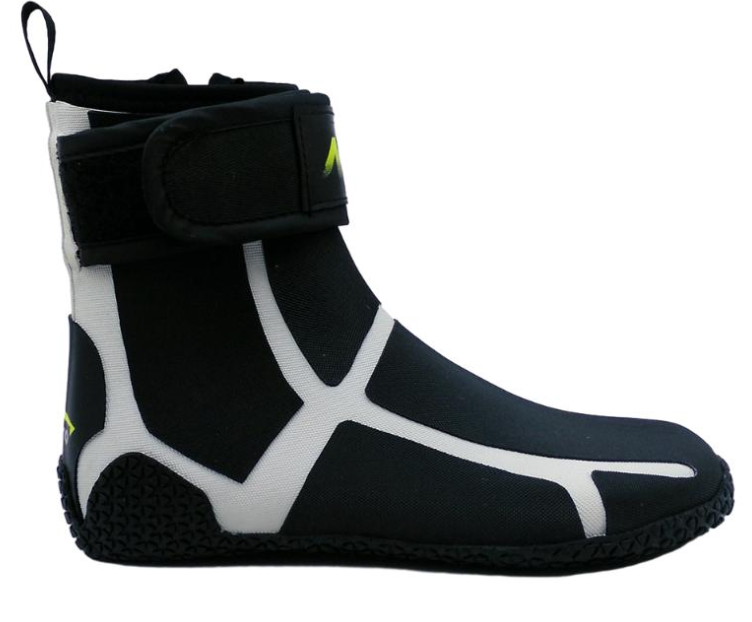
Understanding the Core Materials: Rubber Sailing Boots vs. Neoprene Sailing Boots
The fundamental difference between sailing boots lies in their construction material, which dictates their primary function and comfort profile. Traditional rubber sailing boots are celebrated for their straightforward, robust waterproofing. Crafted from solid rubber, they create an impermeable barrier against water, making them ideal for wet decks and rainy conditions where keeping feet completely dry is the priority. Their durability and ease of cleaning are legendary. In contrast, neoprene sailing boots are engineered from synthetic rubber foam, a material prized for its flexibility, lightweight nature, and thermal properties. Neoprene doesn't just block water; it traps a thin layer of it against the skin, which the body warms, providing insulation against cold water and air. This makes neoprene sailing boots the superior choice for immersion activities like kayaking, paddleboarding, or sailing in colder climates, where warmth and agility are as crucial as dryness.
Key Design Features of High-Performance Neoprene Sailing Boots
Modern neoprene sailing boots are marvels of specialized design, integrating features that address the specific demands of water sports. Baoding Landwalk Outdoor Products Co.,Ltd's approach embodies this thoughtful engineering. Beyond selecting premium 2mm or thicker neoprene for the ideal balance of warmth and flexibility, key features define quality. A secure closure system, such as a durable YKK zipper with a neoprene baffle to prevent water ingress, is essential for easy access and a snug fit. The outsole is critical; a non-marking, grippy rubber sole with specific tread patterns provides essential traction on wet, slippery surfaces, from boat decks to rocky shorelines. Furthermore, reinforced zones in the toe and heel protect against abrasion and impact, while a comfortable lining enhances warmth and facilitates putting the boots on and taking them off.
Choosing Your Boot: A Decision Guide for Rubber Sailing Boots and Neoprene Sailing Boots
Selecting the right boot hinges on your primary activity and the environmental conditions. Use the following guide to align your needs with the correct footwear technology:
|
Your Primary Activity |
Recommended Boot Type |
Key Reason |
|
Sailing in cold/wet conditions, Kayaking, Paddleboarding, Snorkeling |
Neoprene Sailing Boots |
Provides thermal insulation, superior flexibility for movement, and comfort when immersed or in prolonged cold. |
|
Coastal & Deck Walking, Fishing, Gardening, Rainy Day Use |
Sailing Rain Boots / Traditional Rubber Sailing Boots |
Offers complete waterproof protection from external water, easy to clean, and highly durable for terrestrial wet conditions. |
|
Versatile Water Sports (Multi-activity use) |
Hybrid or All-Purpose Neoprene Sailing Boots |
Combines neoprene flexibility with robust, grippy soles suitable for both in-water activities and short hikes to the shore. |
Care and Maintenance for Long-Lasting Sailing Rain Boots and Neoprene Sailing Boots
Proper care is what distinguishes a seasonal purchase from a lasting piece of gear. For both rubber sailing boots and neoprene sailing boots, a consistent routine will maximize their lifespan. After each use, rinse boots thoroughly with fresh water to remove salt, chlorine, sand, and dirt. Never use harsh detergents or machine wash. To dry, invert the boots and allow them to air dry naturally at room temperature, away from direct sunlight or heat sources like radiators, which can degrade the materials. Stuffing them with crumpled newspaper can help absorb internal moisture and maintain their shape. Finally, store your boots in a cool, dry, and well-ventilated place, ensuring they are completely dry beforehand to prevent mildew.
FAQS about Your Questions on Rubber Sailing Boots and Neoprene Sailing Boots Answered
What is the main advantage of neoprene sailing boots over standard rubber sailing boots
The primary advantage is thermal insulation. While both are waterproof, neoprene material traps body heat, keeping your feet warm in cold water or weather. Standard rubber sailing boots provide a waterproof barrier but do not offer this insulating property, making them colder in immersive conditions.
Can I wear my sailing rain boots for activities like kayaking or snorkeling
It is not recommended. Sailing rain boots are designed to shed external water. If submerged, they will fill with water, becoming heavy and cumbersome. For immersion sports, neoprene sailing boots are specifically designed to provide warmth, drainage, and flexibility in the water.
How do I choose the right thickness for neoprene sailing boots
Thickness correlates with warmth and flexibility. Thinner boots (2-3mm) offer greater flexibility and are suitable for warmer waters or high-mobility activities. Thicker boots (5-7mm) provide more insulation for colder conditions. Baoding Landwalk Outdoor Products Co.,Ltd's premium 2mm design offers an excellent balance for diverse adventures.
Are rubber sailing boots with neoprene linings a good compromise
Yes, these hybrid models can be an excellent solution. They combine the rugged, easy-to-clean exterior and deep tread of a traditional rubber sailing boot with a neoprene or warm fabric lining for added comfort and some insulation, making them versatile for various wet-weather deck and land activities.
How should I ensure a good fit for my neoprene sailing boots
Neoprene sailing boots should fit snugly but not restrict circulation. Consider the socks you will wear underneath. A proper fit prevents excess water flushing in and out, which cools the feet. Features like adjustable ankle straps or zippers help fine-tune the fit for security and comfort.
Ready to equip your next aquatic adventure with gear designed for real-world performance? We invite you to visit Baoding Landwalk Outdoor Products Co.,Ltd to explore our full range of thoughtfully engineered footwear and discover how our commitment to quality, innovation, and the outdoor community can elevate your experiences on and off the water.
Latest news
-
Ultimate Guide to Choosing the Best Farmers Wellington BootsNewsApr.16,2026
-
The Ultimate Guide to Choosing the Best Professional Farming WelliesNewsApr.09,2026
-
Comprehensive Guide to Choosing the Perfect Field Wellies for Outdoor AdventuresNewsApr.07,2026
-
Choosing the Right Fit for Good Quality Wellies and Outdoor AdventuresNewsApr.04,2026
-
Choosing the Right Fit A Comprehensive Guide to Good Wellies and Outdoor FootwearNewsMar.31,2026
-
Choosing the Right Footwear A Comprehensive Guide to Good Wellington BootsNewsMar.28,2026
-
Choosing the Right Hard Wearing Wellies for Outdoor AdventuresNewsMar.26,2026