



Aug . 14, 2025 01:20
Back to list
Ultimate Thermo Wellies: Warm, Durable Work & Outdoor Boots
Understanding High-Performance Thermal Wellies in Industrial Environments
In demanding industrial settings, where extreme temperatures and hazardous conditions are commonplace, the selection of appropriate personal protective equipment (PPE) is paramount. Among the most critical components for foot protection are thermo wellies, designed to offer superior thermal insulation and robust protection. These specialized boots, often referred to as thermal work wellingtons or thermal wellington boots, are engineered to withstand prolonged exposure to cold, moisture, and various industrial contaminants, ensuring worker safety and comfort. The market for these advanced protective boots is expanding, driven by stringent safety regulations and an increasing awareness of occupational health, especially in sectors operating in sub-zero or high-moisture environments. Manufacturers are continually innovating, integrating advanced materials and ergonomic designs to enhance both performance and user experience, moving beyond basic waterproofing to provide comprehensive thermal and chemical resistance.
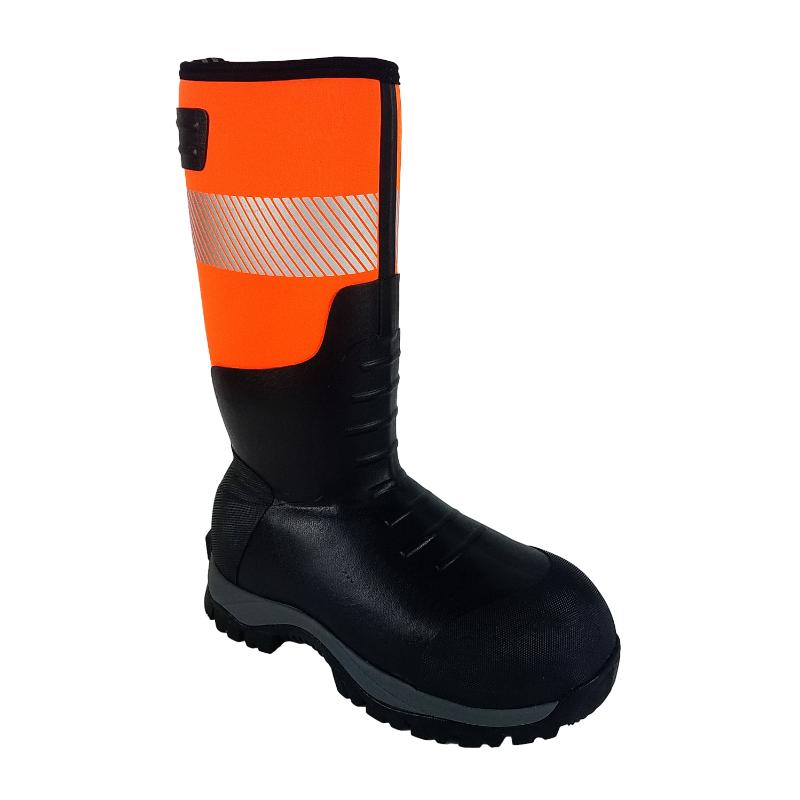
Fig. 1: Advanced High Visibility Thermal Safety Boots.
The evolution of industrial safety footwear has led to significant advancements in the design and material science of thermo wellies. Modern variants incorporate multi-layered construction, often featuring outer shells made from durable, chemical-resistant polymers like PVC or polyurethane (PU), combined with internal linings of insulating materials such as neoprene, Thinsulate, or wool blends. This layered approach is critical for maintaining foot temperature within a safe range, preventing conditions like frostbite and discomfort that can impair worker performance and safety. Furthermore, integrated safety features such as steel or composite toe caps and puncture-resistant midsoles are standard, ensuring compliance with international safety standards like EN ISO 20345 and ASTM F2413. The focus is not just on protection from external hazards but also on mitigating the physiological stress of working in extreme conditions, contributing directly to increased productivity and reduced absenteeism.
Manufacturing Precision: Crafting Robust Thermal Work Wellingtons
The manufacturing process for high-quality thermal work wellingtons is a sophisticated blend of material science and advanced engineering techniques, significantly impacting their performance and longevity. Typically, these boots are produced using injection molding, a process where molten polymer (PVC, PU, or rubber compound) is injected under high pressure into a mold cavity. This method ensures seamless construction, critical for waterproofing and durability, and allows for the precise integration of various components like the outsole, upper, and shank in a single shot. For products like the High Visibility Thermal Safety Boots SY02-17NOS5, multi-density injection molding might be employed, allowing for a softer, more flexible upper and a harder, more durable outsole, optimizing both comfort and grip.
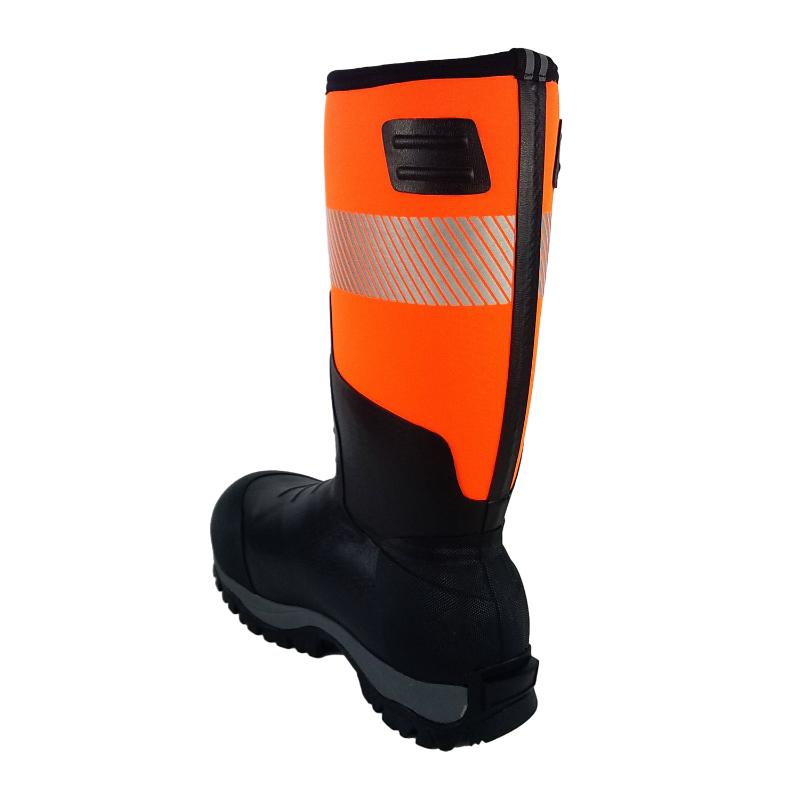
Fig. 2: Advanced injection molding for seamless boot construction.
Key stages involve material preparation, where virgin polymers are compounded with additives for UV resistance, flexibility, and chemical resistance. Insulating liners, often made of closed-cell foam or proprietary thermal materials, are then integrated into the boot during or after the molding process, ensuring effective cold protection down to temperatures as low as -50°C. Quality control at each stage is rigorous, with boots undergoing hydrostatic pressure tests for waterproofing, impact and compression tests for toe caps, and puncture resistance tests for midsoles, adhering to international standards such as ISO 20345 (for safety footwear) and ANSI Z41. These detailed processes ensure that each pair of thermal work wellies not only meets but often exceeds the demanding performance expectations of industrial clients, offering an estimated service life of 3-5 years under normal industrial usage, subject to proper maintenance.
Technical Parameters and Performance of Thermal Wellingtons
Selecting the right pair of thermal wellingtons requires a thorough understanding of their technical specifications and performance metrics. These parameters directly influence the boot's suitability for specific industrial applications, ensuring optimal safety, comfort, and durability. Key factors include the cold insulation rating, which dictates the minimum temperature the boot can safely withstand, often expressed in degrees Celsius or Fahrenheit. Other crucial specifications include slip resistance ratings (SRC, SRA, SRB), oil and chemical resistance, electrical hazard protection, and the specific material composition of the outer shell and inner lining. For example, the High Visibility Thermal Safety Boots SY02-17NOS5 are engineered with a specialized PVC/Nitrile blend, providing superior resistance to oils, fats, acids, and alkalis, a critical feature for sectors such as petrochemicals and food processing.
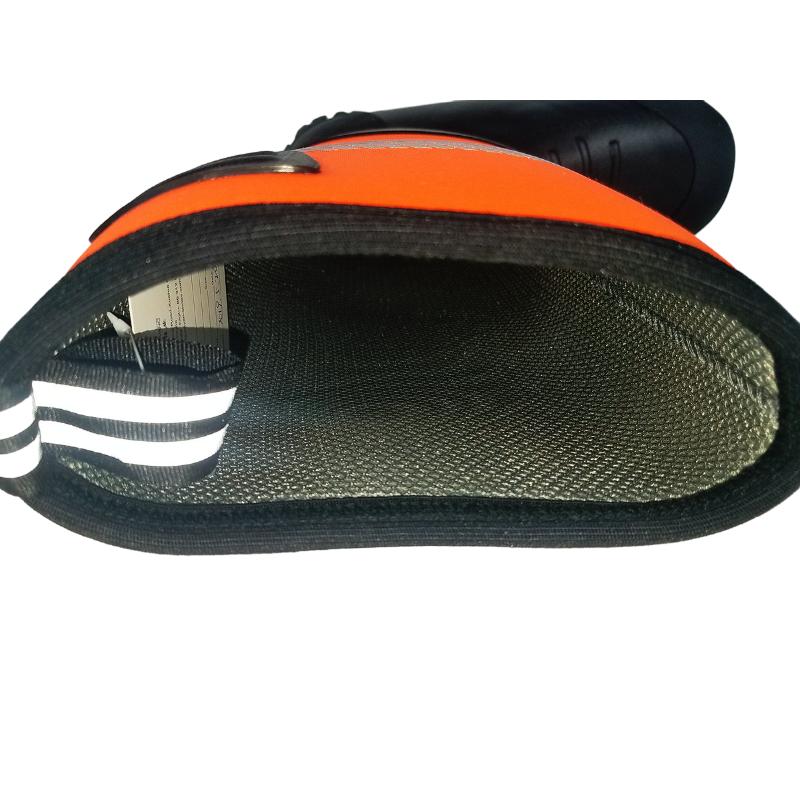
Fig. 3: Rigorous testing ensures boots meet stringent performance metrics.
| Parameter | Specification (SY02-17NOS5) | Standard / Benefit |
|---|---|---|
| Temperature Rating | -50°C (-58°F) | Exceptional insulation for extreme cold environments. |
| Material Composition | PVC/Nitrile Compound Outer, Neoprene/Polyester Lining | High chemical & oil resistance, superior thermal retention. |
| Safety Standard Compliance | EN ISO 20345:2011 S5 CI SRC | Steel toe cap, steel midsole, anti-static, cold insulation, slip resistance. |
| Slip Resistance | SRC (on ceramic tile with NaLS and on steel with glycerol) | Reduced risk of slips and falls on wet and oily surfaces. |
| High Visibility | Fluorescent Yellow-Green with Reflective Features | Enhanced worker visibility in low-light conditions. |
| Electrical Hazard Protection | No (Insulative Properties for Cold) | Designed for thermal, not electrical, isolation. Consult specific EH-rated models if required. |
The detailed technical sheet for products like the SY02-17NOS5 offers a transparent view of its capabilities, aiding procurement managers and safety officers in making informed decisions. Beyond the listed specifications, factors like ergonomic design, weight distribution, and ease of cleaning also contribute significantly to the overall value proposition of thermal wellington boots. Manufacturers often provide comprehensive testing reports and certifications from accredited laboratories, validating their performance claims and ensuring compliance with regional and international safety regulations.
Application Scenarios and Strategic Advantages of Thermal Work Wellies
The versatility and robust protective qualities of thermal wellies make them indispensable across a wide spectrum of demanding industries. In the petrochemical sector, for instance, workers are often exposed to corrosive chemicals, oils, and fluctuating temperatures. Boots like the SY02-17NOS5, with their PVC/Nitrile blend, offer superior chemical resistance, preventing material degradation and ensuring worker safety. For metallurgy and steel manufacturing, where contact with water, sludge, and cold surfaces is common, the thermal insulation and slip resistance of these boots significantly reduce the risk of accidents and cold-related injuries. Similarly, in water supply and drainage utilities, fisheries, and agricultural settings, the waterproof and thermal properties are critical for maintaining foot comfort and health in consistently wet and cold environments.
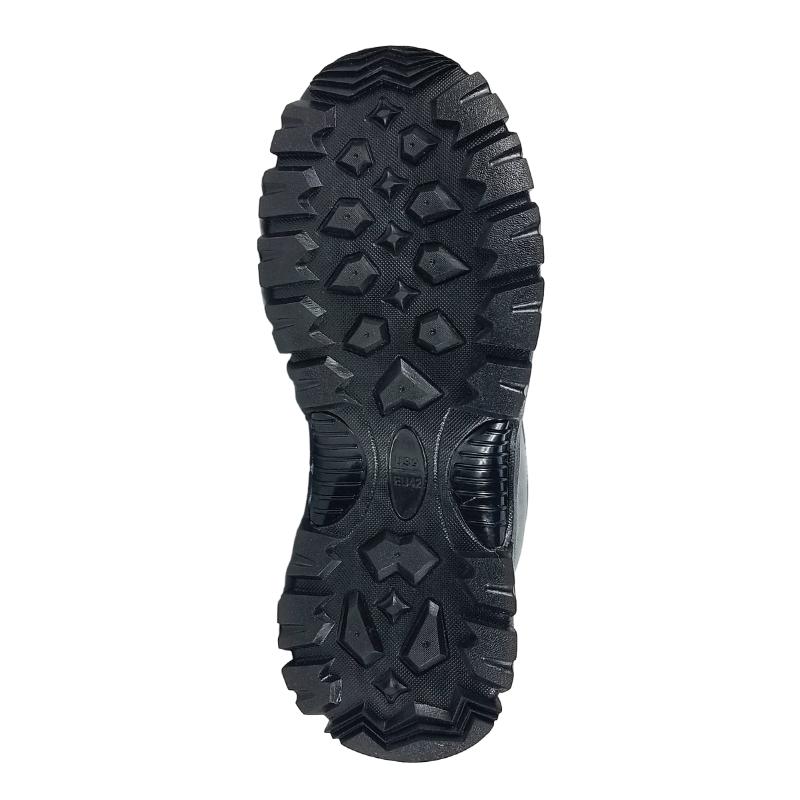
Fig. 4: Thermal work wellies excel in diverse industrial applications.
The strategic advantages of deploying high-quality thermal wellies extend beyond mere compliance. Enhanced worker comfort in harsh conditions leads directly to increased productivity and reduced fatigue-related errors. The longevity of these specialized boots, often double that of standard wellingtons, results in lower replacement costs and a better return on investment over time. Furthermore, the specialized features like high-visibility elements, as seen in the SY02-17NOS5, enhance safety in low-light conditions, preventing collisions and improving overall site safety. These boots are not just a protective measure but a critical tool for operational efficiency, contributing to a safer, more productive work environment by reducing the physiological burden on workers in challenging climates.
Ensuring Trust: Quality Assurance, Customization, and Support for Thermal Wellington Boots
Trustworthiness in the B2B sector for thermal wellington boots is built upon rigorous quality assurance, flexible customization, and unwavering customer support. Leading manufacturers adhere strictly to international quality management systems such as ISO 9001, ensuring consistency in product design, manufacturing, and testing. Each batch of boots undergoes comprehensive post-production verification, including tests for seam integrity, insulation efficacy, and structural resilience under various stressors. This commitment to quality is often reflected in product certifications from recognized bodies like CE, demonstrating compliance with European safety directives, and adherence to specific ASTM standards for North American markets. These certifications are vital for businesses, providing assurance that the footwear meets or exceeds required safety benchmarks, thereby mitigating legal and operational risks associated with workplace injuries.
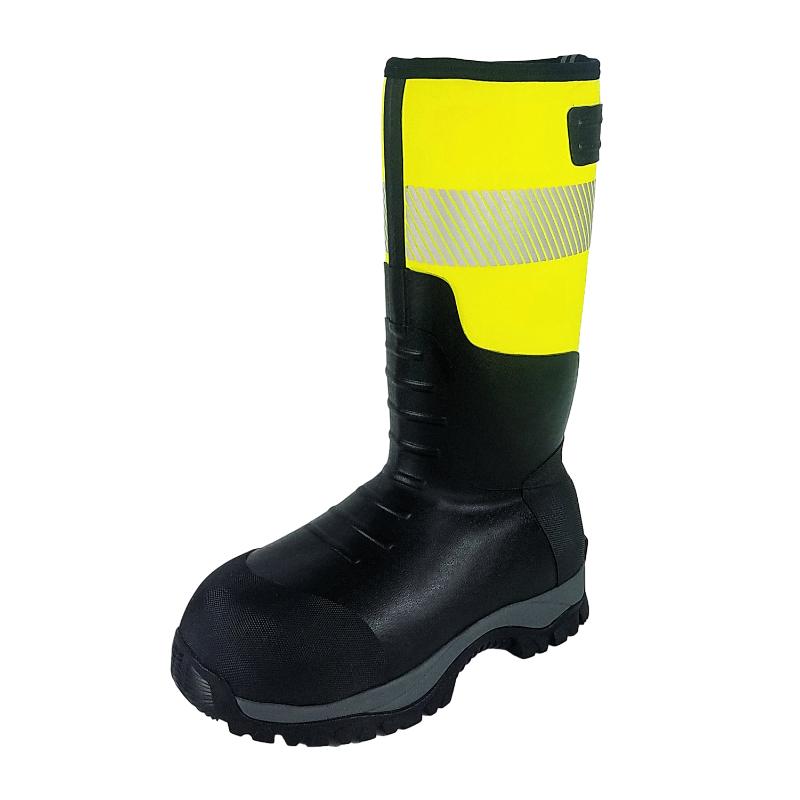
Fig. 5: Comprehensive quality control for every pair of boots.
Beyond standardized products, reputable suppliers offer extensive customization options for thermal wellington boots. This includes bespoke sizing, integration of specific safety features (e.g., additional metatarsal protection), custom branding, and even unique color schemes to align with corporate identity or specific hazard warnings. For large-scale procurement, this flexibility allows companies to provide highly specialized PPE tailored to their unique operational demands. Furthermore, robust customer support mechanisms, including readily available technical documentation, prompt inquiry responses, and clear warranty policies, are crucial. A standard warranty for industrial thermo wellies typically covers manufacturing defects for 12-24 months from the date of purchase. Delivery cycles for standard orders are typically 4-6 weeks, with expedited options available for urgent requirements, ensuring minimal disruption to operations. This holistic approach, encompassing product excellence, tailored solutions, and responsive service, fosters long-term partnerships and reinforces trust.
Frequently Asked Questions (FAQs) about Thermo Wellies
Q: What is the primary difference between standard wellingtons and thermo wellies?
A: The primary difference lies in their thermal insulation properties. While standard wellingtons offer basic waterproofing, thermo wellies are specifically designed with multi-layered insulation (e.g., neoprene, Thinsulate) to protect against extreme cold, often rated for temperatures significantly below freezing. They also typically incorporate enhanced safety features like insulated toe caps and midsoles.
Q: How long do thermal work wellingtons typically last in industrial settings?
A: The lifespan of thermal work wellingtons varies based on usage intensity, environmental exposure, and maintenance. High-quality boots, manufactured to rigorous standards and properly cared for, can last anywhere from 3 to 5 years. Regular inspection and cleaning can significantly extend their service life.
Q: Are these boots resistant to chemicals and oils?
A: Many industrial thermal wellies, including our High Visibility Thermal Safety Boots SY02-17NOS5, are specifically engineered with PVC/Nitrile or specialized rubber compounds to provide excellent resistance to a wide range of industrial chemicals, oils, fats, and acids. Always check the specific product's technical data sheet for detailed chemical resistance ratings.
Q: What safety standards do thermal wellington boots comply with?
A: Reputable thermal wellington boots typically comply with international safety standards such as EN ISO 20345 (for safety footwear in Europe), which includes classifications like S5 for safety toe, anti-static, energy absorption, and water resistance. They may also meet ASTM F2413 in North America. Look for specific certifications (e.g., CE mark) on the product's label or documentation.
Conclusion: The Indispensable Role of Advanced Thermal Wellington Boots
In conclusion, the modern industrial landscape necessitates specialized protective gear that goes beyond basic functionality. Thermal wellington boots stand as a testament to this need, providing essential safety, comfort, and performance in environments where cold, wet, and hazardous conditions prevail. From the meticulous multi-stage manufacturing processes to the integration of advanced materials and adherence to stringent international safety standards, every aspect of these boots is designed to meet the rigorous demands of B2B applications across diverse sectors. Investing in high-quality thermo wellies is not merely a compliance measure but a strategic decision that directly impacts worker well-being, operational efficiency, and long-term cost savings. As industries continue to push boundaries in challenging climates, the role of these indispensable thermal boots will only grow in importance, driving further innovation in protective footwear technology.
References
- International Organization for Standardization. ISO 20345:2011. Personal protective equipment — Safety footwear.
- ASTM International. ASTM F2413-18. Standard Specification for Performance Requirements for Protective (Safety) Toe Cap Footwear.
- European Committee for Standardization. EN ISO 20345:2011. Personal protective equipment – Safety footwear.
- Occupational Safety and Health Administration. Personal Protective Equipment (PPE) – General Requirements. OSHA 29 CFR 1910.132.
- Journal of Occupational and Environmental Hygiene. Studies on the physiological impact of cold exposure and protective footwear.
Latest news
-
Ultimate Guide to Choosing the Best Farmers Wellington BootsNewsApr.16,2026
-
The Ultimate Guide to Choosing the Best Professional Farming WelliesNewsApr.09,2026
-
Comprehensive Guide to Choosing the Perfect Field Wellies for Outdoor AdventuresNewsApr.07,2026
-
Choosing the Right Fit for Good Quality Wellies and Outdoor AdventuresNewsApr.04,2026
-
Choosing the Right Fit A Comprehensive Guide to Good Wellies and Outdoor FootwearNewsMar.31,2026
-
Choosing the Right Footwear A Comprehensive Guide to Good Wellington BootsNewsMar.28,2026
-
Choosing the Right Hard Wearing Wellies for Outdoor AdventuresNewsMar.26,2026