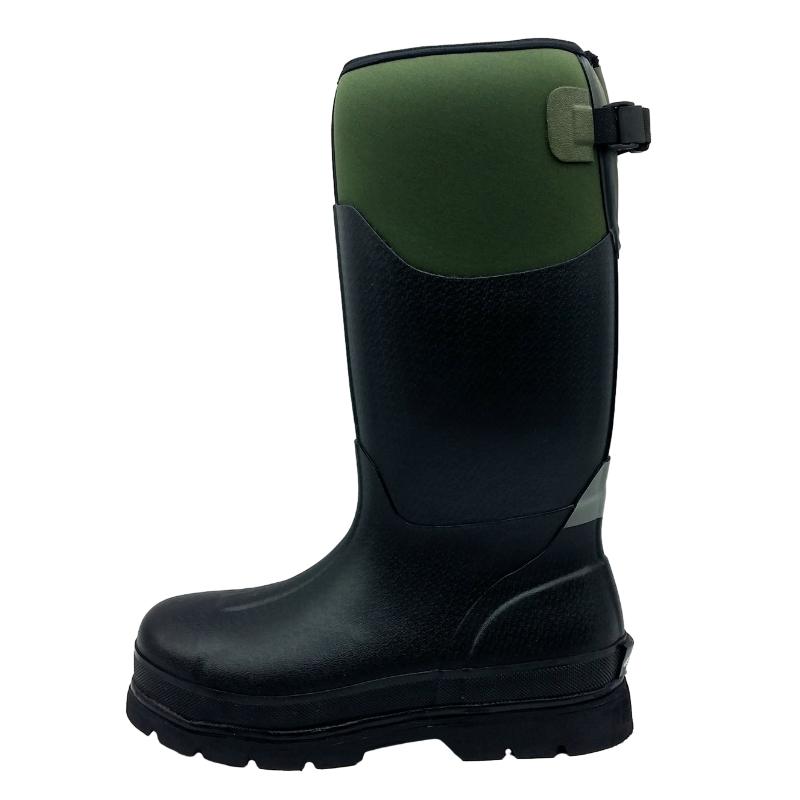
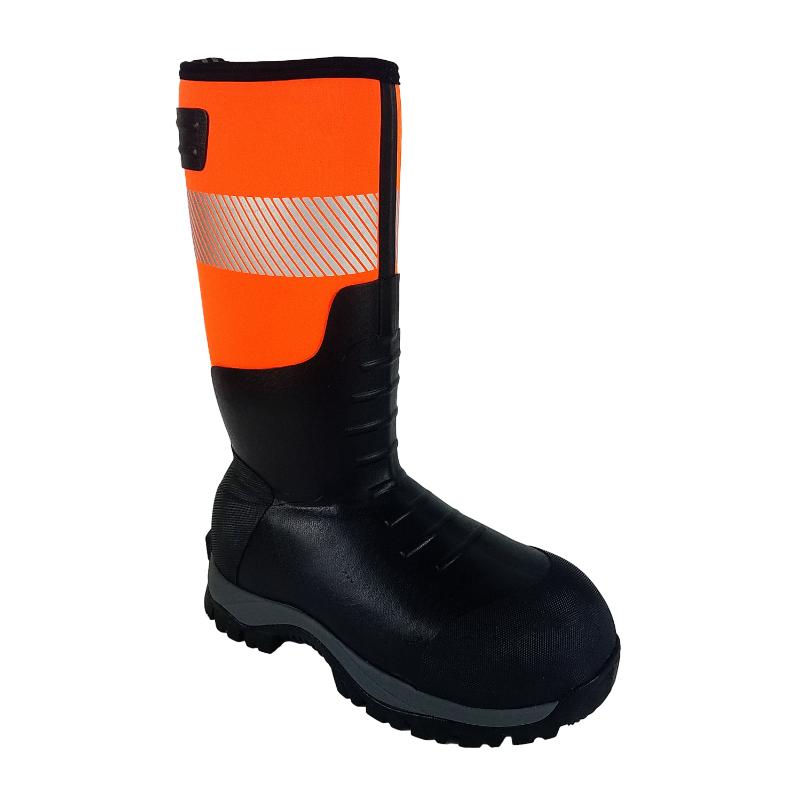
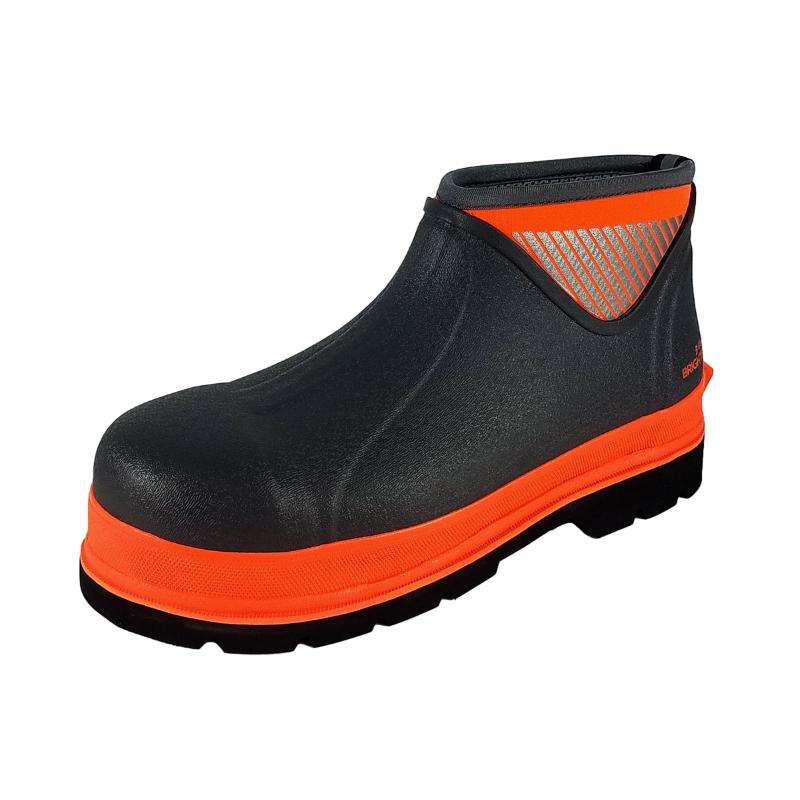
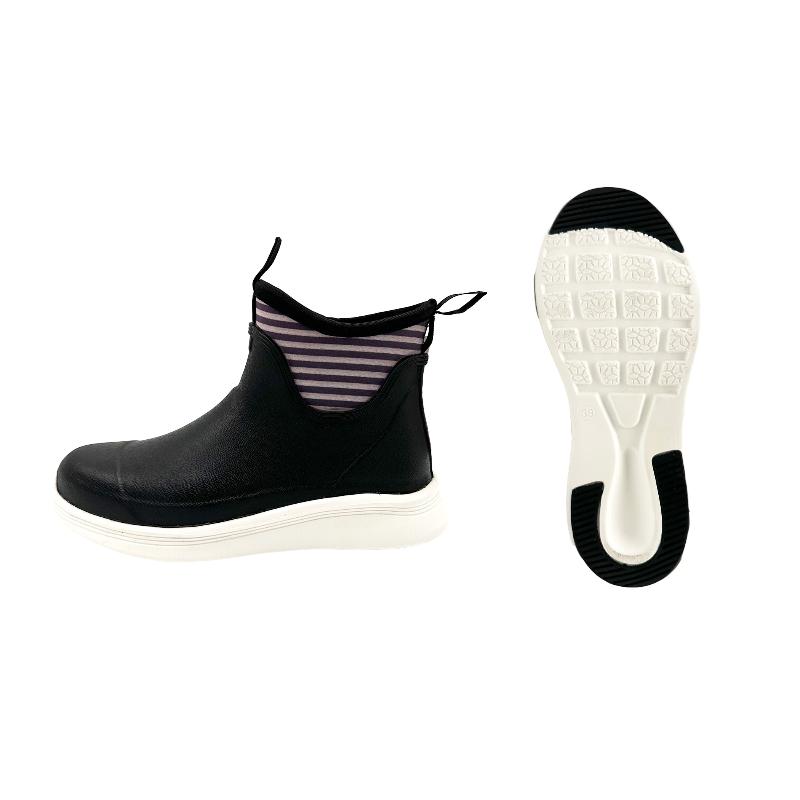
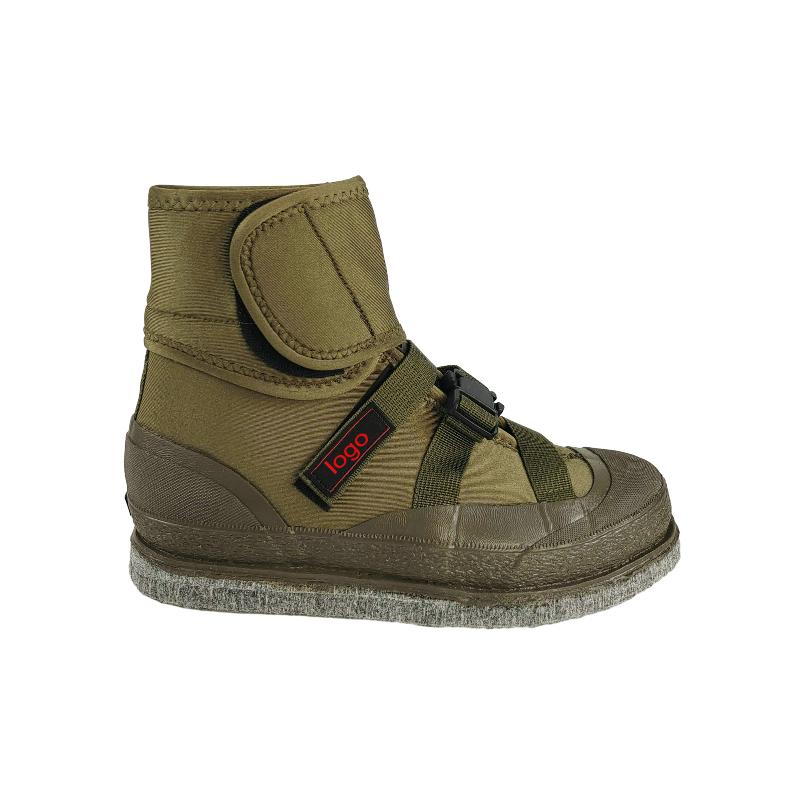
Stepping into unpredictable climates or hazardous worksites brings a critical challenge: keeping your feet genuinely dry, insulated, and protected. When outfitting yourself or your workforce, navigating the nuances between material properties can be overwhelming. A common pain point is investing in footwear that either restricts mobility in the cold or fails to endure heavy abrasions. This is exactly why conducting a thorough Rubber vs neoprene boots comparison is essential for anyone facing extreme conditions.
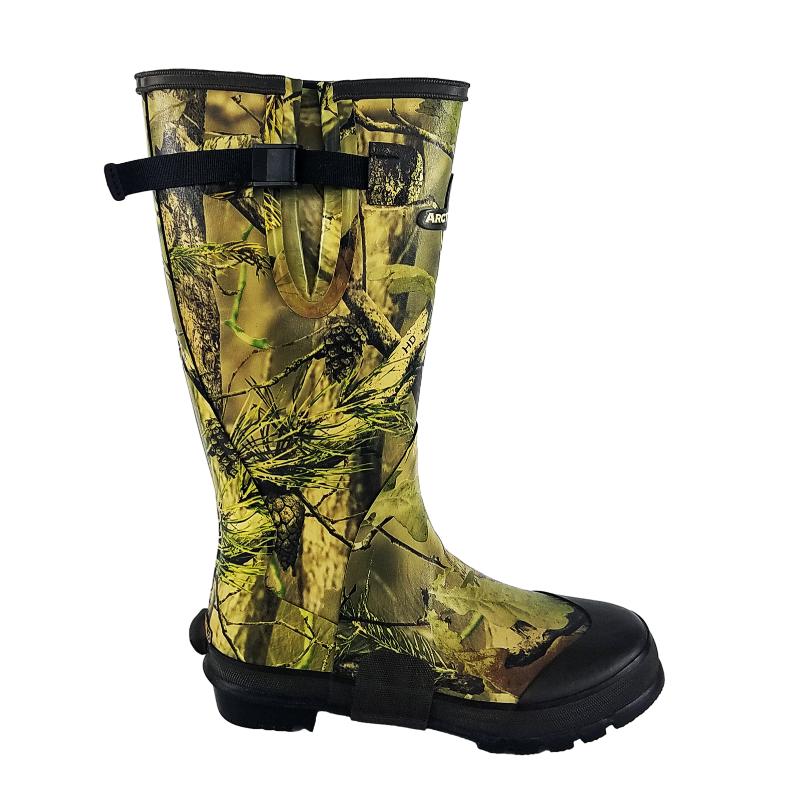
Addressing these environmental hurdles requires more than just standard manufacturing; it requires technical mastery. Baoding Landwalk Outdoor Products Co., Ltd. operates at the forefront of this exact intersection. Situated within a dedicated Science and Technology Industrial Park, we bridge technical functionality with robust outdoor protection. Whether the application demands the uncompromising waterproof structure of high-quality rubber work boots or the flexible insulation profiles required in diverse terrains, our integrated manufacturing capabilities ensure that every step you take is secured by professional R&D and rigorous quality control.
To make an informed decision, one must look beyond surface aesthetics and delve into the material science of protective footwear. A proper Rubber vs neoprene boots comparison reveals that while both offer distinct advantages, their true value is unlocked through standardized quality management. By evaluating core performance metrics, you can align your specific industrial or outdoor needs with our engineered solutions.
| Performance Metric | Industry Significance | Our Engineering Standard | Advantage |
|---|---|---|---|
| Waterproof Integrity | Critical for preventing trench foot and maintaining thermal comfort in wet zones. | 100% Integrated Manufacturing & QC Protocols | Ultimate leak-proof protection, ensuring absolute barrier performance in high-quality rubber models. |
| Traction & Anti-Slip | Reduces workplace liability and prevents injuries on uneven or slick outdoor terrains. | Specialized Anti-Slip Outsole Geometries | Superior surface grip, engineered to adapt to both industrial slickness and rugged hiking trails. |
| Durability & Abrasion Resistance | Directly impacts the replacement lifecycle and total cost of ownership. | Advanced Standardized Quality Management Systems | Extended wear in harsh environments, effectively resisting chemical and physical abrasions. |
| Flexibility & Insulation | Determines operator mobility and fatigue levels during prolonged shifts. | Tech-Focused R&D Bridging Functionality | Optimal balance of thermal regulation and ergonomic movement, tailored to specific environmental demands. |
Procurement is not just an expense; it is a long-term investment in safety and productivity. When organizations conduct a strategic Rubber vs neoprene boots comparison, they often discover that selecting the precise material architecture dramatically lowers the Total Cost of Ownership (TCO). Footwear that fails prematurely leads to hidden costs, including lost productivity, safety liabilities, and constant replacement cycles.
By leveraging global export operations and economies of scale, our manufacturing ecosystem provides premium protective footwear that delivers compounding financial returns. Extended durability means fewer replacements. Enhanced anti-slip and waterproof capabilities mean fewer workplace incidents. The data is clear: investing in purpose-engineered outdoor and industrial footwear directly boosts your bottom line.
Related products
Top Selling Products