



Feb . 24, 2026 10:52
Back to list
Comprehensive Guide to Choosing the Best Safety Wellies for Workplace Protection
Choosing the Right Safety Wellies: A Comprehensive Guide
Selecting the appropriate safety wellies is crucial for protecting your feet in demanding work environments. From agriculture to construction, and even everyday outdoor tasks, robust and reliable footwear is essential. This article dives into the world of safety wellies, covering key features, materials, standards, and how to choose the perfect pair for your needs. Investing in quality safety wellies minimizes risks, enhances comfort, and boosts productivity.
Understanding Safety Wellies: Key Features and Benefits
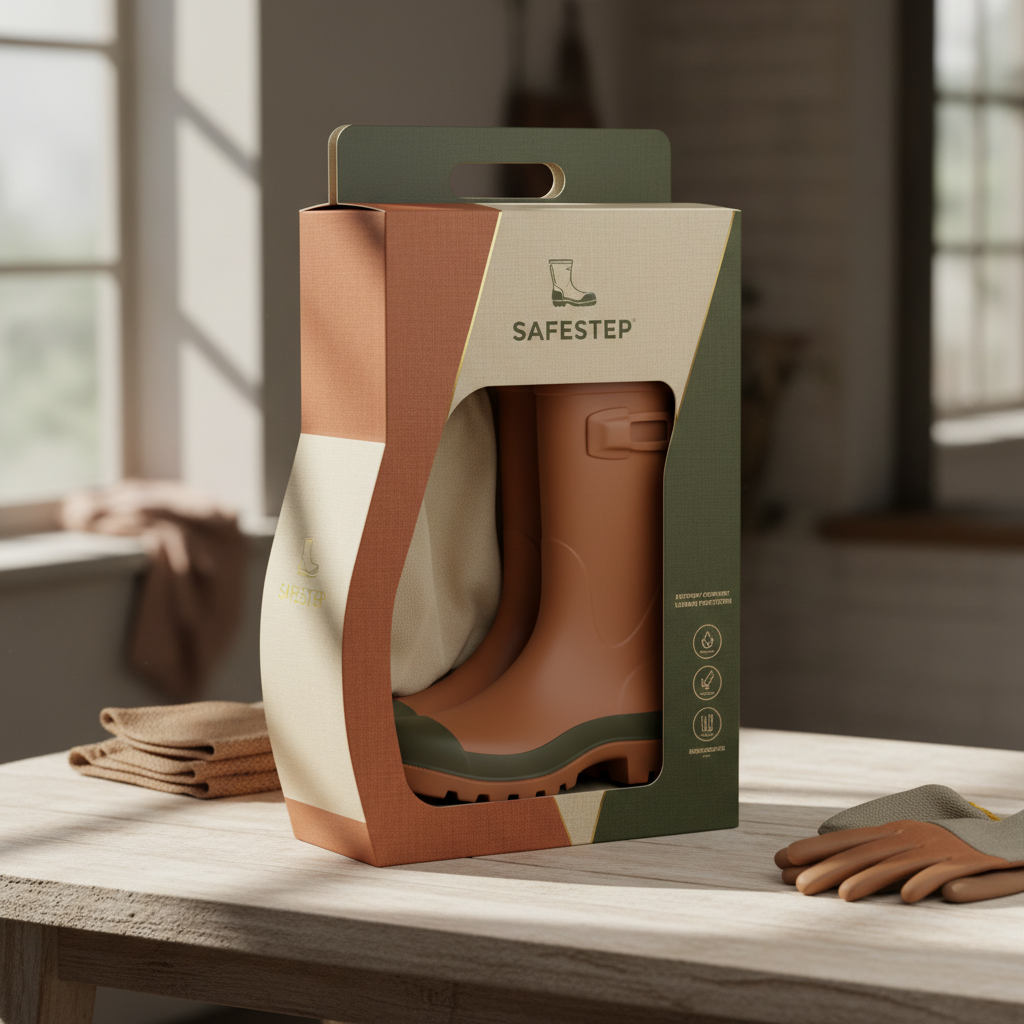
Safety wellies are more than just waterproof boots. They are specifically designed to provide protection against a range of workplace hazards. Key features include steel toe caps, puncture-resistant midsoles, slip-resistant outsoles, and robust construction. Steel toe caps protect against falling objects and crushing injuries, while puncture-resistant midsoles prevent sharp objects from penetrating the sole. Slip-resistant outsoles provide secure footing on various surfaces, reducing the risk of falls. Choosing a pair of wellies constructed from durable materials like PVC or rubber ensures longevity and resistance to harsh chemicals and abrasions. At Landwalk Outdoor, we offer a wide range of safety wellies to meet diverse needs.
Key Highlights: Steel toe caps, puncture-resistant midsoles, and slip-resistant outsoles are paramount for workplace safety. Durable construction ensures longevity, while comfortable design promotes all-day wear.
Material Matters: PVC vs. Rubber Safety Wellies
The material of your safety wellies significantly impacts their performance and durability. PVC (Polyvinyl Chloride) wellies are lightweight, cost-effective, and offer good resistance to oils, fats, and chemicals. However, they can become brittle in cold temperatures. Rubber wellies, on the other hand, are more flexible, durable, and provide better insulation against cold. They are also more resistant to abrasions and tearing. The best choice depends on your specific work environment and the hazards you face. Landwalk Outdoor offers both PVC and rubber safety wellies to cater to varying requirements.
Material Comparison:
• PVC: Lightweight, cost-effective, chemical resistant, but can be brittle in cold.
• Rubber: Flexible, durable, insulating, abrasion resistant, but generally more expensive.
Safety Standards: Ensuring Compliance and Protection
Safety wellies must comply with specific standards to ensure adequate protection. The most common standard is EN ISO 20345, which covers safety footwear. This standard specifies requirements for toe protection, penetration resistance, slip resistance, and other crucial safety features. Look for wellies that are clearly marked with the relevant EN ISO standard to guarantee they meet the necessary safety regulations. Landwalk Outdoor prioritizes safety and only offers wellies that meet or exceed these rigorous standards.
Choosing the Right Wellies for Your Industry: A Guide
Different industries have unique safety requirements. For agriculture, waterproof and muck-resistant wellies are essential. Construction workers need robust steel toe and puncture-resistant options. Food processing requires wellies that are chemical resistant and easy to clean. Always consider the specific hazards of your work environment when choosing safety wellies.
Conclusion: Protecting Your Feet, Ensuring Your Safety
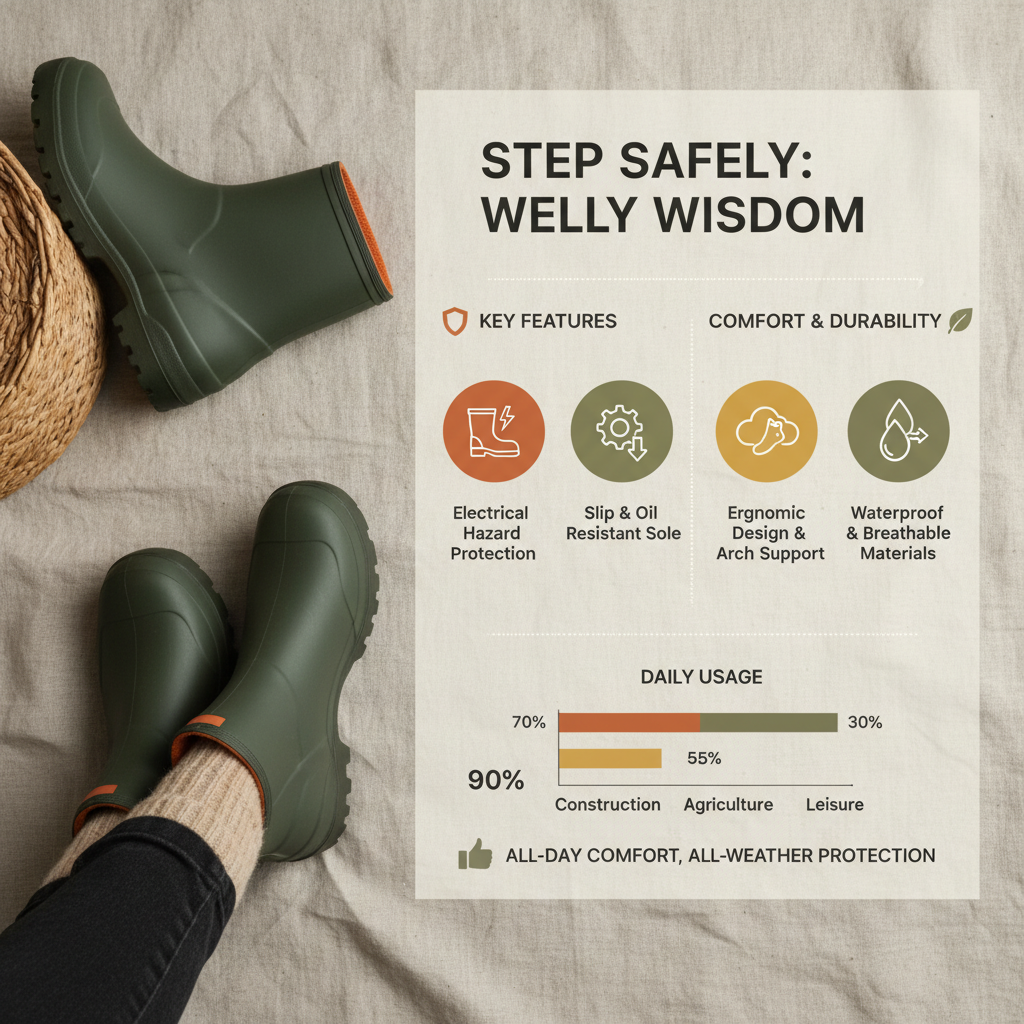
Investing in high-quality safety wellies is a crucial step in protecting your feet and ensuring your overall safety in the workplace. By understanding the key features, materials, and safety standards, you can choose the perfect pair to meet your specific needs. Don't compromise on safety – choose Landwalk Outdoor for reliable and durable safety footwear.
Frequently Asked Questions (FAQs)
How often should I replace my safety wellies?
The replacement frequency depends on usage and exposure to harsh conditions. Generally, safety wellies should be replaced every 12-18 months, or sooner if you notice signs of wear and tear, such as cracks, tears, or a loss of slip resistance. Regular inspections are crucial. If the toe cap is damaged or the midsole is compromised, replace the wellies immediately. Proper cleaning and storage can extend their lifespan, but don't compromise on safety. Always prioritize replacing damaged wellies to ensure continued protection.
What size safety wellies should I choose?
It’s essential to choose the correct size to ensure a comfortable and secure fit. Measure your feet accurately, wearing the socks you would typically wear with your wellies. Refer to the manufacturer’s size chart, as sizing can vary between brands. Allow for some extra room to accommodate thicker socks if needed. The wellies should fit snugly without being too tight, and your toes should not touch the end of the boot when standing.
Are safety wellies suitable for all-day wear?
While safety wellies are designed for demanding work, comfort is key for all-day wear. Look for wellies with cushioned insoles and ergonomic designs. Proper fit is also critical – wellies that are too tight or too loose can cause discomfort and fatigue. Choosing wellies made from flexible materials like rubber can also enhance comfort. Consider investing in moisture-wicking socks to keep your feet dry and prevent blisters. Landwalk Outdoor offers a range of comfortable and supportive safety wellies designed for extended wear.
Latest news
-
Ultimate Guide to Choosing the Best Farmers Wellington BootsNewsApr.16,2026
-
The Ultimate Guide to Choosing the Best Professional Farming WelliesNewsApr.09,2026
-
Comprehensive Guide to Choosing the Perfect Field Wellies for Outdoor AdventuresNewsApr.07,2026
-
Choosing the Right Fit for Good Quality Wellies and Outdoor AdventuresNewsApr.04,2026
-
Choosing the Right Fit A Comprehensive Guide to Good Wellies and Outdoor FootwearNewsMar.31,2026
-
Choosing the Right Footwear A Comprehensive Guide to Good Wellington BootsNewsMar.28,2026
-
Choosing the Right Hard Wearing Wellies for Outdoor AdventuresNewsMar.26,2026