Commercial fishing boots are specialized footwear engineered to withstand the harsh and demanding conditions faced by professionals in the fishing industry. These boots aren't merely protective gear; they're critical tools for ensuring safety, productivity, and longevity on deck, in processing facilities, and during various maritime operations. The global fishing industry relies heavily on durable, reliable, and comfortable boots to minimize risks and maximize efficiency.
The need for high-quality commercial fishing boots stems from the inherent dangers of the profession. From slippery decks and exposure to corrosive substances to the risk of impact injuries and prolonged immersion in water, fishermen require footwear that provides superior protection. Beyond safety, boots impact comfort during long working hours, directly affecting performance and overall well-being. Consequently, the demand for advanced materials and innovative designs continues to grow.
Globally, the commercial fishing industry supports millions of livelihoods and provides a vital source of protein. According to the UN Food and Agriculture Organization (FAO), over 59.6 million people were employed in the primary sector of fisheries and aquaculture in 2020. This massive workforce demands specialized equipment, and commercial fishing boots represent a significant component of that need. Failure to address the needs for reliable and safe footwear can lead to increased workplace accidents and decreased productivity, highlighting the importance of investment in quality boots.
The Importance of Commercial Fishing Boots
Commercial fishing boots play a crucial role in the safety and well-being of those working in the fishing industry. They're designed to protect against a multitude of hazards, including slips, falls, punctures, abrasions, and exposure to harsh chemicals and extreme weather. Investing in quality boots translates directly into reducing workplace accidents and enhancing worker morale.
Beyond immediate safety concerns, commercial fishing boots contribute to increased productivity. Comfortable and supportive boots allow fishermen to work longer hours without experiencing fatigue, leading to more efficient operations. Choosing the right boots isn’t just about protection; it’s about optimizing performance in a demanding environment.
Defining Commercial Fishing Boots
Commercial fishing boots are a specialized category of waterproof and protective footwear specifically designed for individuals working in the commercial fishing industry. Unlike general-purpose work boots, these boots prioritize features like superior traction on wet surfaces, chemical resistance to fish oils and cleaning agents, and robust construction to withstand the rigors of marine environments.
They differ significantly from recreational fishing boots, which often focus on comfort and convenience over durability and specialized protection. Commercial boots are built to withstand constant exposure to saltwater, abrasive surfaces, and heavy loads, making them an indispensable part of a fisherman’s toolkit.
The connection to modern industry and humanitarian needs lies in supporting a critical food supply chain and ensuring the safety of those who provide it. Quality boots contribute to sustainable fishing practices by minimizing accidents and promoting efficient operations, ultimately bolstering food security worldwide.
Core Components of Quality Boots
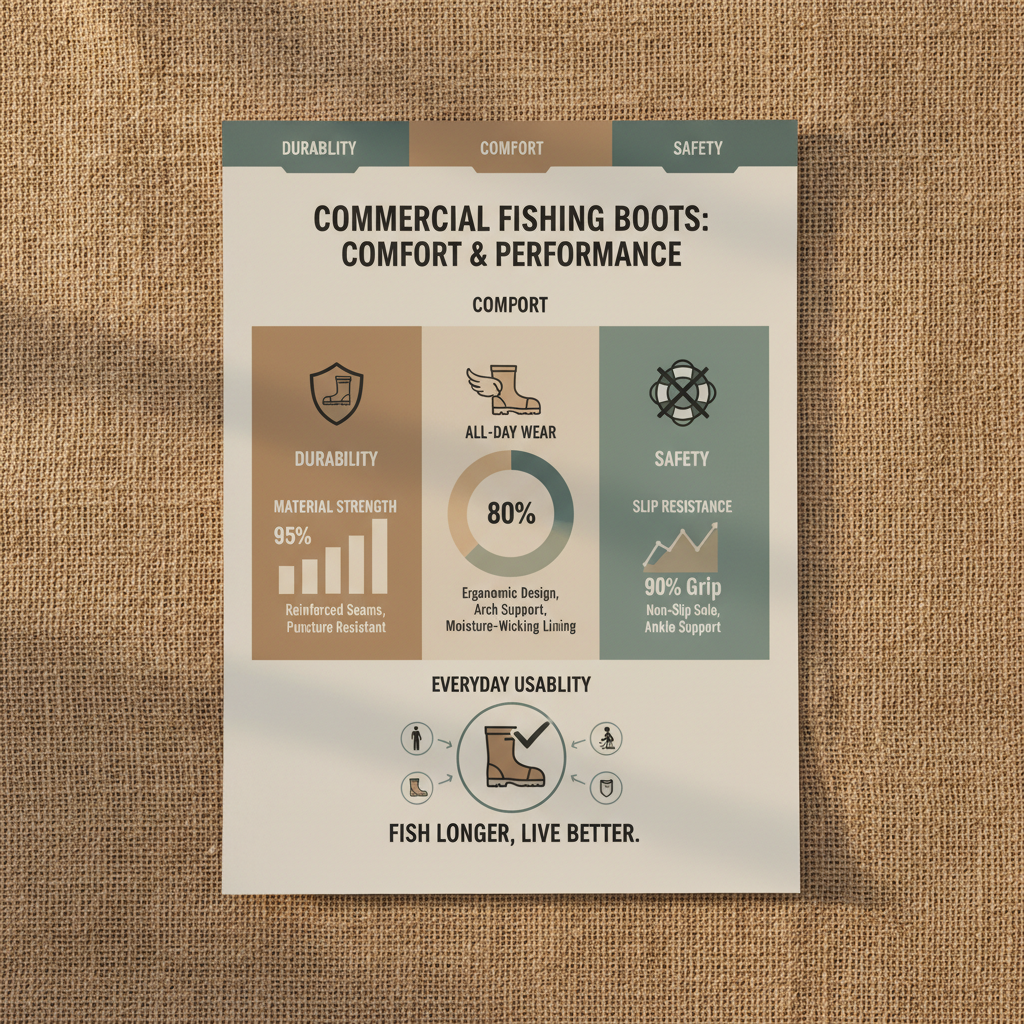
Durability is paramount. Commercial fishing boots must be constructed from materials capable of withstanding constant abrasion, impact, and exposure to harsh elements. High-quality rubber compounds, reinforced stitching, and robust soles are essential for ensuring a long service life.
Waterproofing is another critical component. Prolonged exposure to water can lead to discomfort, hypothermia, and skin infections. Fully waterproof boots with sealed seams and breathable membranes are crucial for maintaining dry and comfortable feet.
Traction is perhaps the most important safety feature. Slippery decks covered in fish scales, water, and oil demand a sole with exceptional grip. Specialized tread patterns and rubber compounds designed for wet surfaces are essential to prevent slips and falls. Additionally, chemical resistance safeguards against damage from cleaning agents, fuels, and fish oils.
Key Features & Specifications
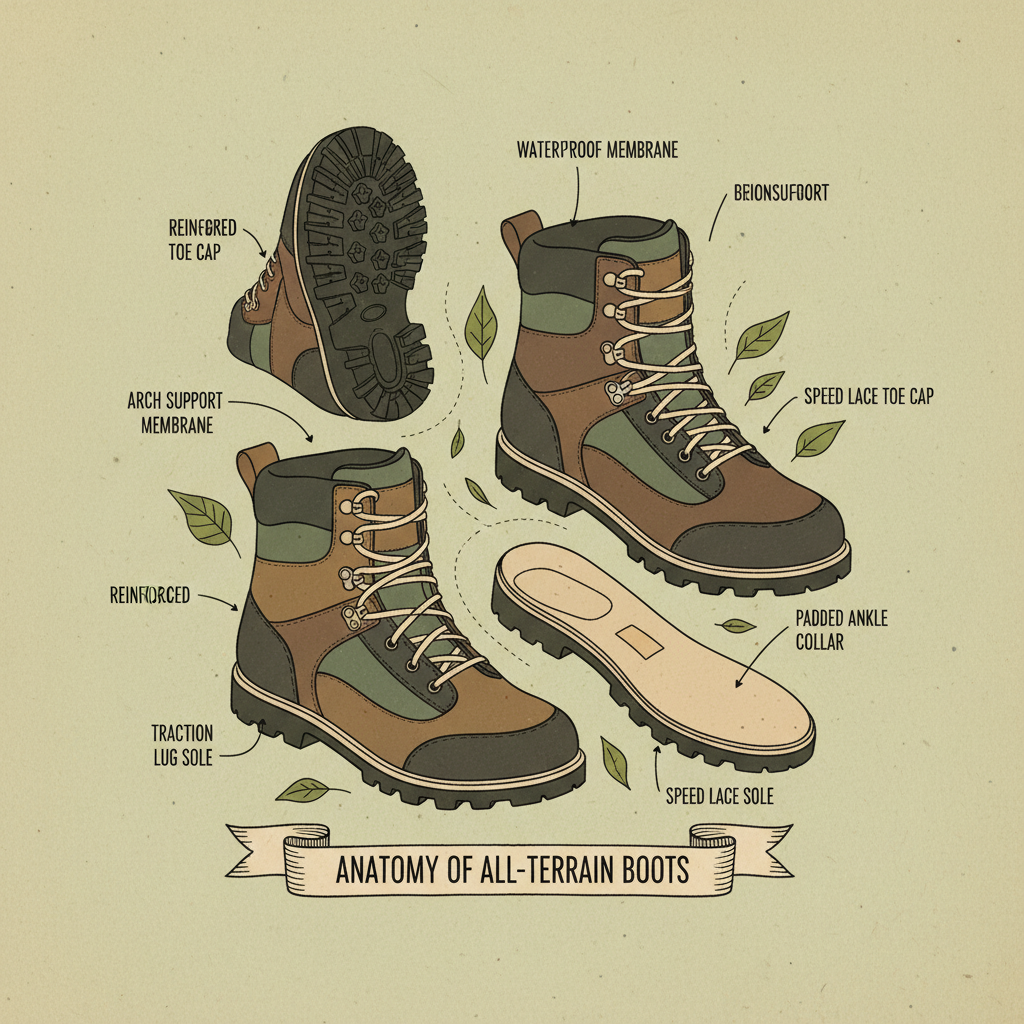
The height of the boot is a key specification. Taller boots (e.g., knee-high or hip boots) offer greater protection from water immersion and splashes, while shorter boots provide more agility. The type of sole construction (e.g., direct-attach, cemented) impacts durability and flexibility.
Reinforced toe caps and shank support are also crucial. Toe caps protect against impact injuries from falling objects, while shank support provides stability and reduces foot fatigue. Proper insulation is essential for working in cold climates, while breathable linings enhance comfort in warmer conditions.
Commercial Fishing Boot Feature Comparison
Global Applications and Industries
Commercial fishing boots are indispensable in a wide range of maritime industries, including commercial fishing (trawling, longlining, crabbing), aquaculture, fish processing plants, and offshore oil and gas operations. These boots are used globally, from the North Atlantic fishing fleets to the salmon farms of Chile and the shrimp fisheries of Southeast Asia.
In remote industrial zones, such as those found in Alaska and Iceland, the boots provide a vital layer of protection against extreme weather and hazardous working conditions. They are also crucial in post-disaster relief operations, where personnel may need to navigate flooded areas or debris-strewn environments.
Long-Term Value and Benefits
Investing in high-quality commercial fishing boots delivers significant long-term value. Reduced workplace accidents translate to lower insurance costs, decreased downtime, and improved worker morale. Durable boots require less frequent replacement, saving money over time.
From a sustainability perspective, choosing durable and responsibly manufactured boots minimizes environmental impact. Enhanced worker safety promotes ethical labor practices and contributes to a more sustainable fishing industry. The emotional value of providing employees with safe and comfortable gear fosters trust and loyalty.
Future Trends in Commercial Fishing Boot Technology
Future trends in commercial fishing boots include the development of even more sustainable materials, such as recycled rubber and bio-based polymers. Integration of smart technology, such as embedded sensors to monitor foot fatigue or environmental conditions, is also on the horizon.
Advances in 3D printing and customized design will allow for boots tailored to the specific needs of individual fishermen. Increased focus on ergonomics and biomechanics will lead to boots that provide superior support and reduce the risk of long-term injuries.
Furthermore, the integration of antimicrobial technologies will combat odor and reduce the risk of fungal infections, enhancing hygiene and worker comfort. These innovations promise to further improve safety, comfort, and sustainability in the commercial fishing industry.
Summary of Key Commercial Fishing Boot Considerations
| Boot Material |
Waterproof Rating |
Traction Performance |
Durability Score (1-10) |
| Natural Rubber |
100% Waterproof |
Excellent |
8 |
| PVC |
Water Resistant |
Good |
6 |
| Neoprene |
Fully Waterproof |
Very Good |
7 |
| Polyurethane |
Water Resistant |
Average |
5 |
| Reinforced Nylon |
Waterproof with Membrane |
Excellent |
9 |
| Composite Materials |
Fully Waterproof |
Superior |
10 |
FAQS
For commercial fishing, 100% waterproof boots are crucial. Look for boots with sealed seams and waterproof membranes to prevent water from entering, protecting your feet from cold temperatures, infections, and discomfort. Water resistance is insufficient for prolonged exposure to water, which is common in the fishing industry.
Traction is absolutely critical. Slippery decks are a major hazard in commercial fishing. Boots should feature a specialized tread pattern and a rubber compound specifically designed for wet and oily surfaces. Look for soles that are rated for slip resistance and have aggressive lugs for optimal grip.
Natural rubber and reinforced nylon are considered some of the most durable materials. Rubber provides excellent abrasion resistance and waterproofing, while reinforced nylon offers exceptional strength and tear resistance. Composite materials are also emerging as highly durable options.
The lifespan of your boots depends on usage and care. However, it's recommended to inspect your boots regularly for signs of wear and tear, such as cracks, punctures, or deteriorated soles. Replace boots if they no longer provide adequate protection or support, typically every 1-3 years with heavy use.
Look for boots that meet relevant safety standards, such as ASTM F2413 for impact and compression protection, and EN ISO 20345 for safety footwear. These certifications ensure that the boots have been tested and meet certain performance criteria.
Rinse boots thoroughly with freshwater after each use to remove salt, chemicals, and debris. Avoid exposing boots to extreme temperatures or direct sunlight for prolonged periods. Store boots in a cool, dry place. Use a boot conditioner to maintain the rubber’s flexibility and prevent cracking.
Conclusion
In conclusion, commercial fishing boots are much more than just footwear; they are essential safety equipment, productivity enhancers, and vital components of a sustainable fishing industry. Their design, materials, and features directly impact the well-being of fishermen and the efficiency of operations across the globe. Understanding the key factors that contribute to a quality boot is crucial for making informed decisions.
Looking ahead, continued innovation in materials, technology, and design will further enhance the performance and sustainability of commercial fishing boots. Investing in high-quality boots is an investment in the safety, health, and future of the fishing industry. Visit our website at www.landwalk-outdoor.com to explore our range of durable and reliable commercial fishing boots.