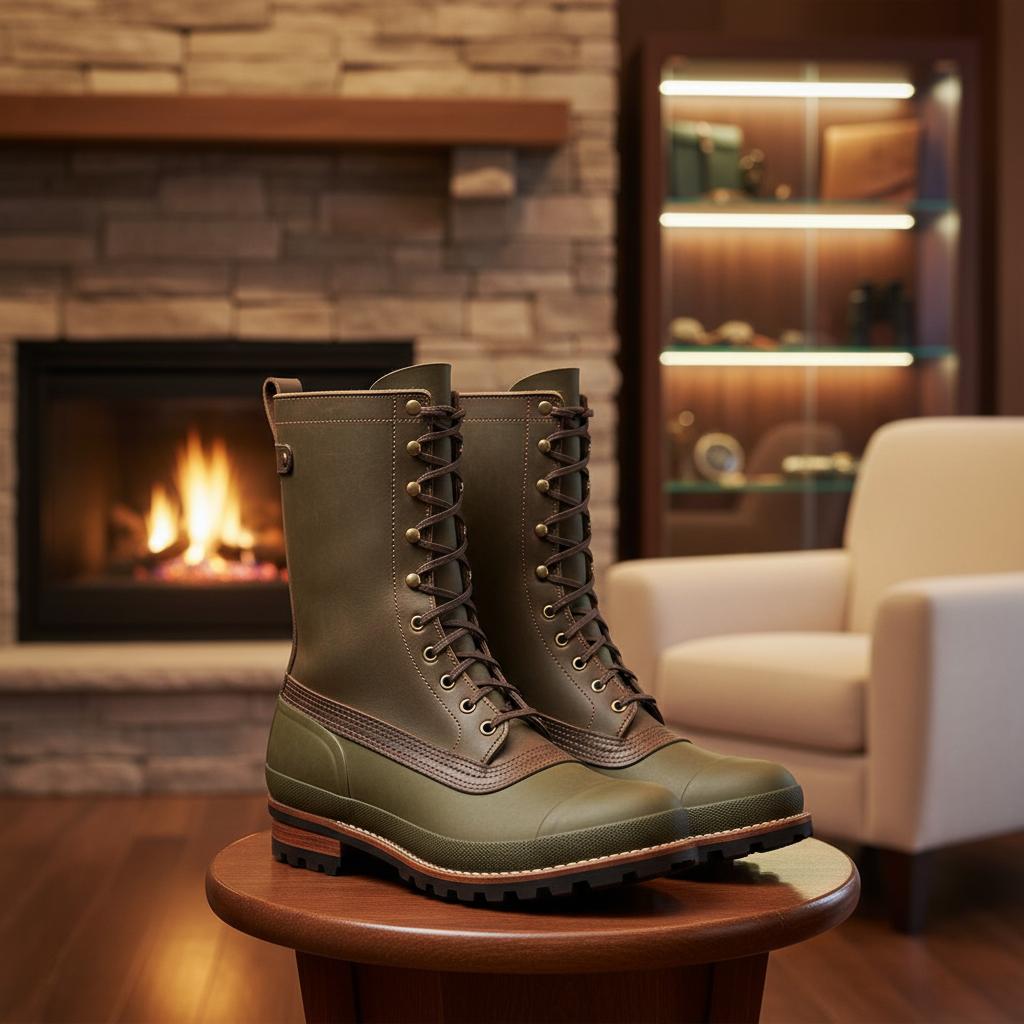
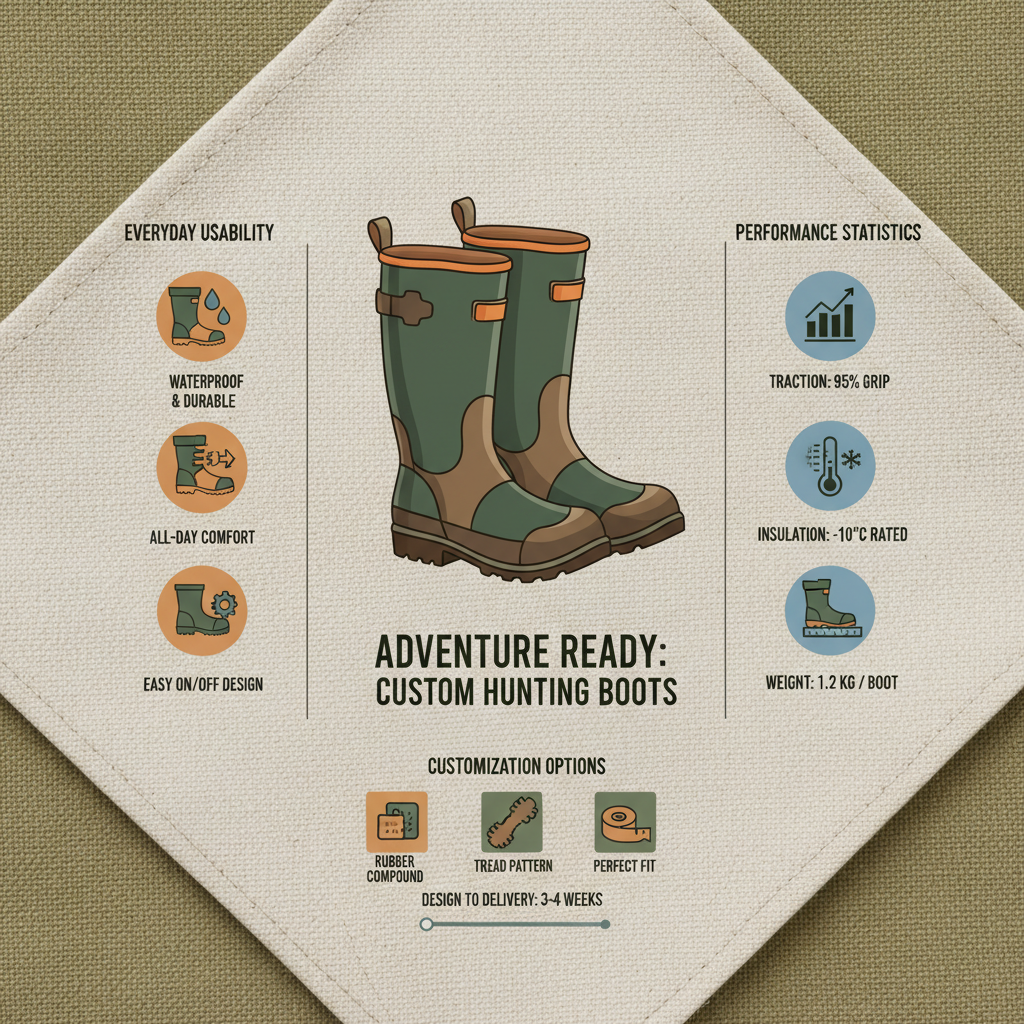
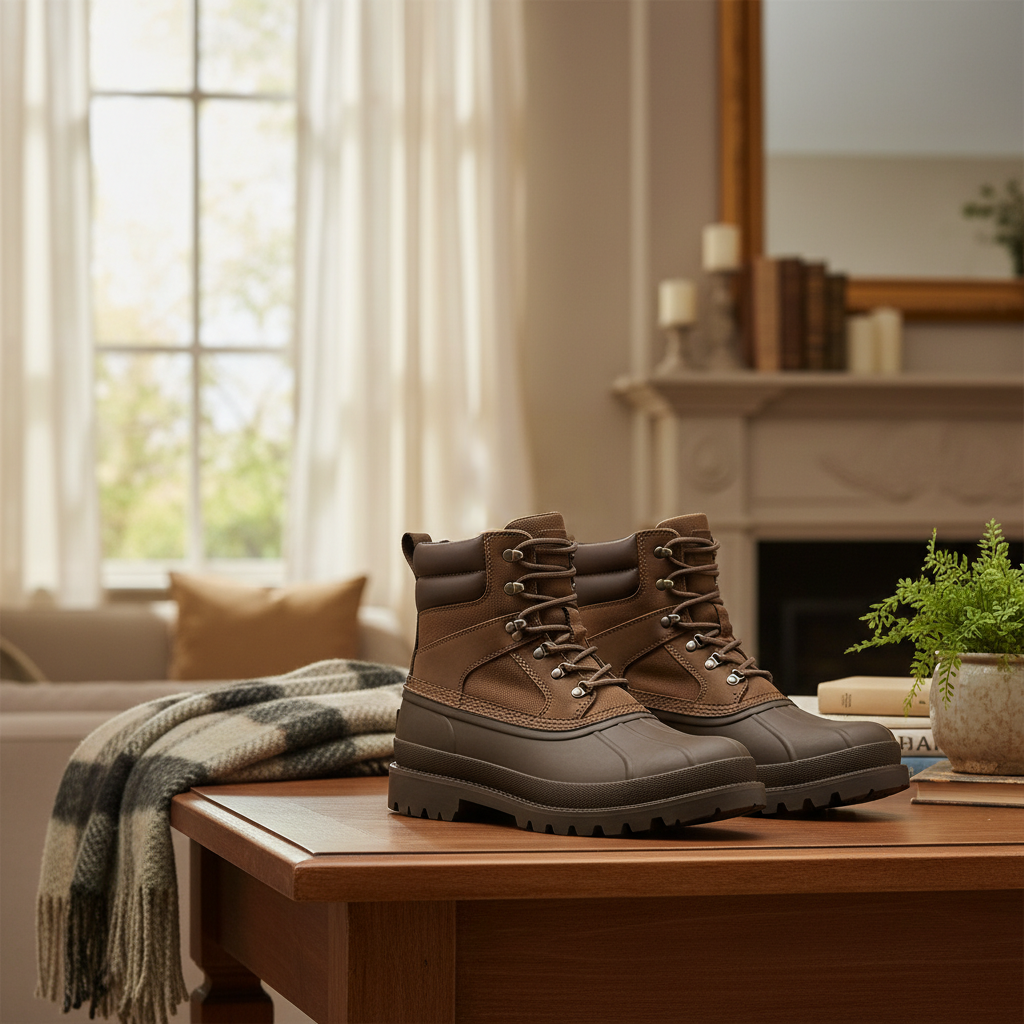
Custom hunting boots represent a critical intersection of personal safety, outdoor performance, and specialized footwear technology. Increasingly, hunters are seeking boots that aren’t just off-the-shelf options, but precisely tailored to their individual needs, hunting environments, and foot anatomy. This demand is driven by the diverse terrains encountered during hunts – from rugged mountains to muddy wetlands – and the need for optimized comfort, support, and protection during extended periods in the field. The global market for specialized outdoor footwear is substantial, reflecting a growing participation in hunting and outdoor recreation.
The increasing demand for custom hunting boots is also fueled by advancements in materials science and manufacturing techniques. Previously limited to bespoke, handcrafted options with significant lead times and high costs, custom boots are becoming more accessible through innovative approaches like 3D scanning, personalized insole creation, and modular boot construction. This shift addresses a challenge faced by many hunters: the difficulty of finding boots that perfectly fit and perform in their specific hunting conditions.
Understanding the nuances of custom hunting boots – from the selection of appropriate materials to the intricacies of fit and construction – is paramount for hunters seeking optimal performance and injury prevention. This article delves into the defining aspects of this growing trend, exploring its applications, advantages, and future potential.
The Definition and Importance of Custom Hunting Boots
Custom hunting boots are footwear specifically designed and constructed to meet the unique anatomical requirements and environmental demands of an individual hunter. Unlike mass-produced boots, which rely on standardized sizing and features, custom boots prioritize a precise fit, tailored support, and optimized performance. This level of personalization minimizes discomfort, prevents blisters, and enhances overall hunting efficiency.
The importance of proper footwear in hunting cannot be overstated. Extended periods of walking, standing, and navigating challenging terrain place significant stress on the feet and lower legs. Ill-fitting boots can lead to fatigue, pain, and even serious injuries, impacting a hunter’s ability to remain focused and safe. Custom hunting boots mitigate these risks by providing a supportive and comfortable foundation for every hunt.
The Global Relevance of Custom Hunting Boots
Hunting is a widespread activity globally, with significant economic and cultural importance. North America and Europe represent large markets for hunting equipment, including footwear. However, the practice extends to diverse regions like Africa, Australia, and parts of Asia, each presenting unique terrain and environmental challenges. The UN estimates that over 170 countries have legally regulated hunting activities, contributing significantly to conservation efforts and local economies.
A growing segment of the hunting population is actively seeking higher-performance gear, including custom hunting boots, to enhance their experience and address specific needs. This trend is driven by factors such as increased participation in specialized hunting disciplines (e.g., mountain hunting, waterfowl hunting), a greater emphasis on safety and comfort, and a rising awareness of the benefits of personalized footwear. The ISO standards for outdoor footwear are also influencing manufacturers to adopt more stringent quality control measures, further driving the demand for precision and customization.
The challenge facing many hunters globally is finding boots that adequately address the varying terrain and conditions they encounter. Mass-produced boots often fall short in providing the necessary support, protection, and fit, leading to discomfort and potential injuries. Custom hunting boots offer a solution by providing a precisely tailored fit and construction that optimizes performance in specific environments.
Defining Custom Hunting Boots
Custom hunting boots differ significantly from their mass-produced counterparts in several key aspects. Primarily, they are built to the precise measurements of the hunter’s feet, accounting for variations in length, width, arch height, and instep. This ensures a snug, secure fit that minimizes movement and prevents blisters.
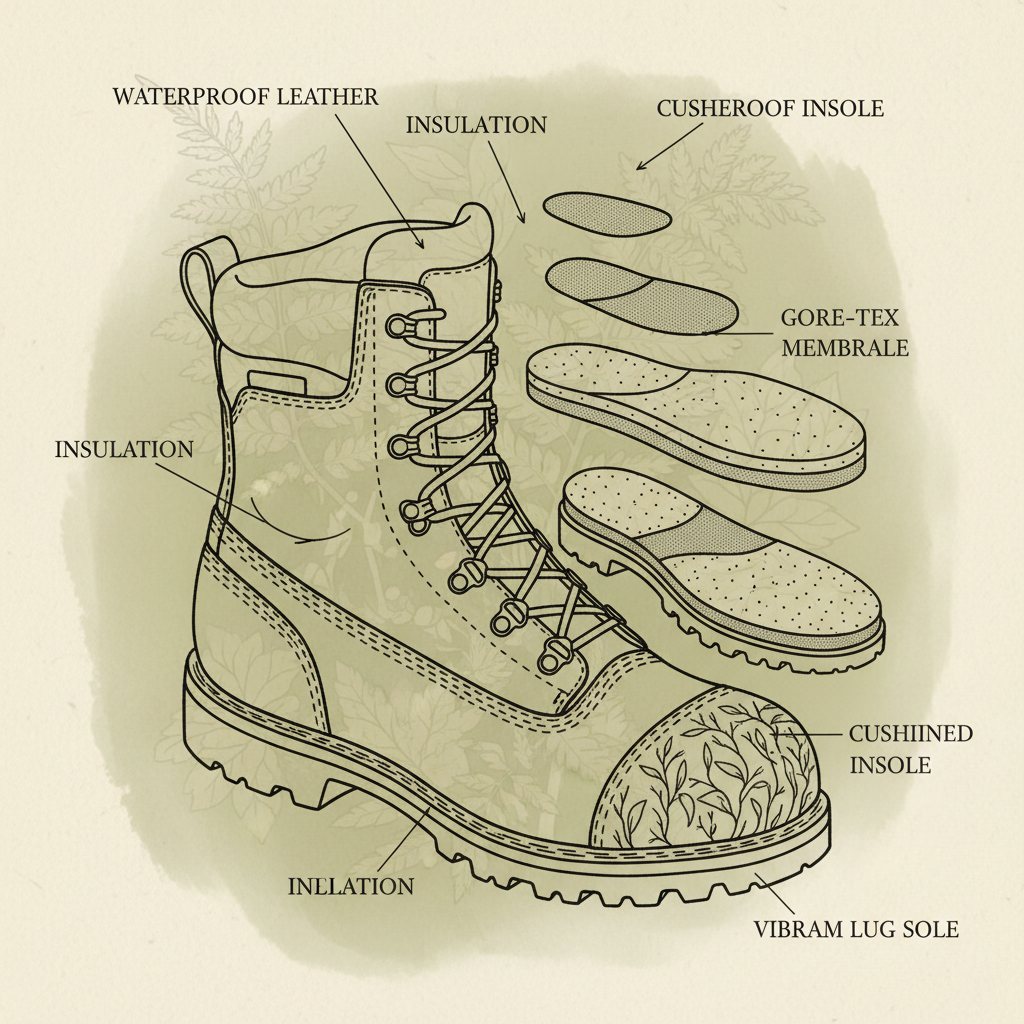
The definition extends beyond mere sizing. Custom boots allow hunters to specify materials, features, and construction details tailored to their specific hunting environment and preferences. This can include selecting waterproof membranes, choosing specific sole patterns for optimal traction, and incorporating features like reinforced toe caps or ankle support. This level of personalization is rarely available with off-the-shelf options.
In the modern context, custom hunting boots increasingly incorporate advanced technologies such as 3D scanning for precise foot measurements, computer-aided design (CAD) for boot construction, and innovative materials like carbon fiber and advanced polymers for enhanced performance and durability. They represent a move towards a more individualized and performance-focused approach to outdoor footwear.
Key Factors in Custom Hunting Boot Construction
Durability is a crucial factor in custom hunting boot construction. Hunters often subject their boots to demanding conditions, requiring materials and construction techniques that can withstand abrasion, punctures, and exposure to the elements. High-quality leather, reinforced stitching, and robust sole units are essential for ensuring long-lasting performance.
Fit is paramount. Accurate foot measurements and a personalized last (the form around which the boot is built) are critical for achieving a comfortable and secure fit. This prevents blisters, minimizes fatigue, and maximizes control during challenging terrain navigation. Custom insoles can further enhance comfort and support.
Custom Hunting Boot Performance Metrics
Applications of Custom Hunting Boots Worldwide
In mountainous regions like the Rocky Mountains in North America and the Alps in Europe, custom hunting boots are highly valued for their ability to provide superior ankle support and traction on steep, uneven terrain. Hunters pursuing big game often rely on custom boots to navigate challenging landscapes and minimize the risk of injury.
For waterfowl hunting in wetlands and marshes, custom boots with waterproof membranes and specialized sole patterns are essential for keeping feet dry and maintaining stability in muddy conditions. Hunters in coastal areas utilize boots designed to resist saltwater corrosion and provide adequate protection against marine hazards.
Advantages and Long-Term Value
The immediate benefit of custom hunting boots is enhanced comfort and reduced risk of foot injuries. A properly fitted boot eliminates pressure points, prevents blisters, and provides optimal support, allowing hunters to focus on their activity rather than discomfort. This translates to improved hunting success and a more enjoyable experience.
Long-term, the investment in custom hunting boots can prove cost-effective. By minimizing foot problems and extending the lifespan of the boots through durable construction and personalized care, hunters can avoid recurring expenses associated with replacing ill-fitting or poorly constructed footwear. The improved performance and safety also contribute to a greater sense of confidence and well-being.
Furthermore, supporting companies that offer custom options promotes ethical manufacturing practices and a focus on quality craftsmanship. This contributes to a more sustainable and responsible approach to outdoor gear production.
Future Trends and Innovations
3D printing technology is poised to revolutionize the custom hunting boot industry. This allows for the creation of fully personalized boots with complex geometries and intricate designs, optimizing fit and performance based on individual foot scans and biomechanical data.
The integration of smart materials, such as temperature-regulating fabrics and self-adjusting cushioning systems, will further enhance comfort and performance. Furthermore, the development of biodegradable and sustainable materials will address growing environmental concerns and promote responsible manufacturing practices.
Digital platforms and virtual fitting tools will become increasingly prevalent, allowing hunters to design and order custom boots remotely. This will expand access to personalized footwear and streamline the customization process.
Summary of Custom Hunting Boot Material Properties
| Material Type |
Durability Rating (1-10) |
Water Resistance Rating (1-10) |
Comfort Level (1-10) |
| Full-Grain Leather |
9 |
7 |
8 |
| Synthetic Leather |
7 |
8 |
7 |
| Cordura Nylon |
8 |
9 |
6 |
| Gore-Tex Membrane |
6 |
10 |
7 |
| Vibram Rubber Sole |
10 |
7 |
6 |
| Carbon Fiber Shank |
9 |
6 |
5 |
FAQS
The turnaround time for custom hunting boots varies depending on the manufacturer and the complexity of the design. Generally, you can expect a lead time of 6-12 weeks from the time of order to delivery. This allows for accurate foot measurements, last creation, material sourcing, and meticulous construction. Some companies offer expedited services for an additional fee, reducing the wait time to 4-8 weeks.
Accuracy is paramount! Even slight inaccuracies in foot measurements can compromise the fit and comfort of custom boots. It’s highly recommended to have your feet measured by a professional boot fitter or using a 3D scanning device. Measurements should include length, width, arch height, instep, and circumference at various points on the foot. Provide as much detail as possible to the boot maker.
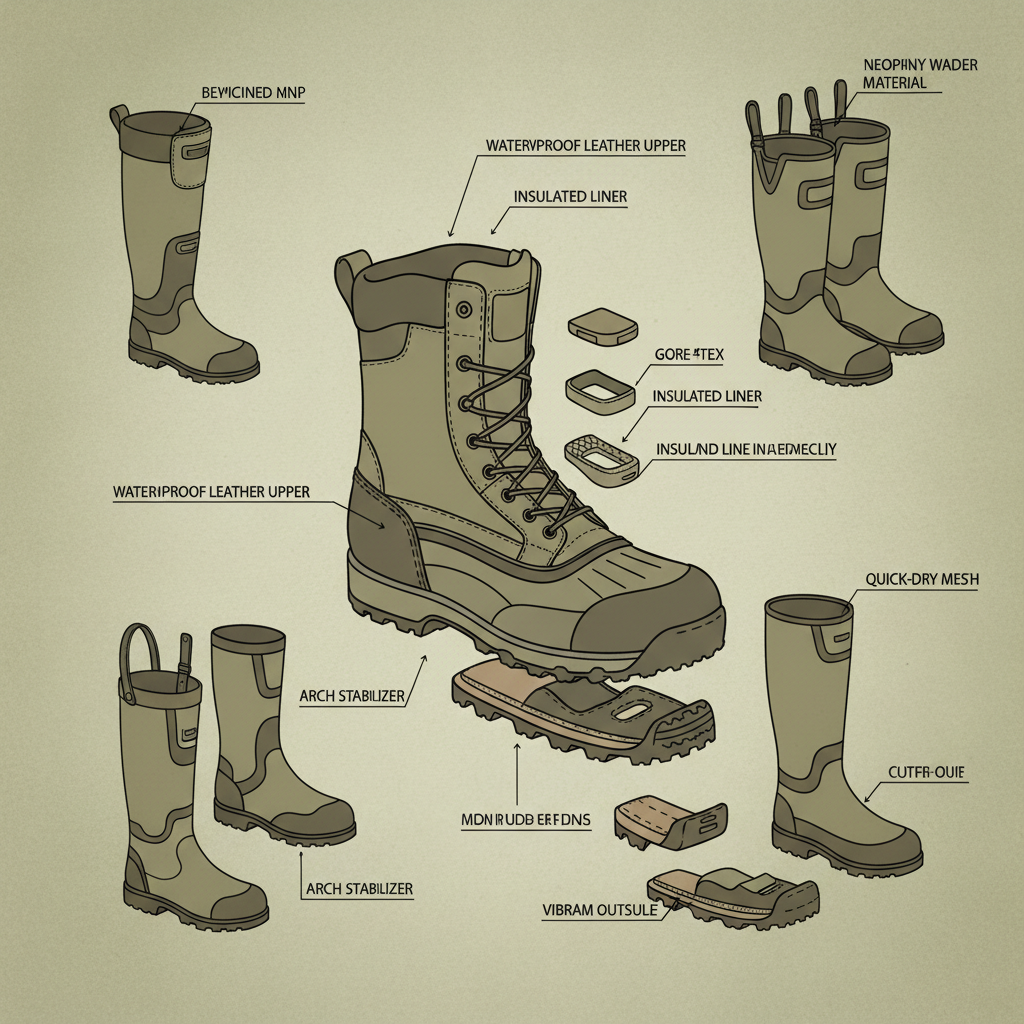
Common materials include full-grain leather, synthetic leather, Cordura nylon, Gore-Tex membranes, and Vibram rubber soles. Full-grain leather offers superior durability and water resistance, while synthetic options provide lighter weight and enhanced breathability. Gore-Tex ensures waterproof protection, and Vibram soles deliver exceptional traction. Carbon fiber shanks are often incorporated for added support and stability.
Absolutely! One of the main benefits of custom hunting boots is the ability to tailor features to your specific needs. You can request reinforced ankle support for stability on uneven terrain, a reinforced toe cap for protection against rocks and roots, and customized lacing systems for a secure fit. Communicate your requirements clearly to the boot maker during the design process.
Custom hunting boots typically range in price from $800 to $2000 or more, depending on the materials, complexity of construction, and the manufacturer. This is significantly higher than the cost of off-the-shelf boots, which typically range from $150 to $500. However, the long-term benefits of a perfectly fitted and durable boot can outweigh the initial investment.
Proper care is essential for extending the life of your custom hunting boots. Regularly clean them with a brush and appropriate leather cleaner, condition the leather to prevent cracking, and store them in a cool, dry place. Avoid prolonged exposure to direct sunlight and extreme temperatures. Repair any damage promptly to prevent further deterioration.
Conclusion
Custom hunting boots represent a significant advancement in outdoor footwear technology, offering a level of personalization and performance that is simply unattainable with mass-produced options. By prioritizing fit, durability, and tailored features, these boots enhance comfort, improve safety, and optimize the hunting experience. The benefits extend beyond the individual hunter, promoting responsible manufacturing practices and a greater appreciation for quality craftsmanship.
As technology continues to evolve, we can expect to see even more innovation in the custom hunting boot industry, with 3D printing, smart materials, and digital fitting tools transforming the way boots are designed and manufactured. Investing in custom hunting boots is an investment in long-term performance, comfort, and the overall enjoyment of the hunt. Visit our website at custom hunting boots to learn more and explore our options.