



Oct . 23, 2025 13:00
Back to list
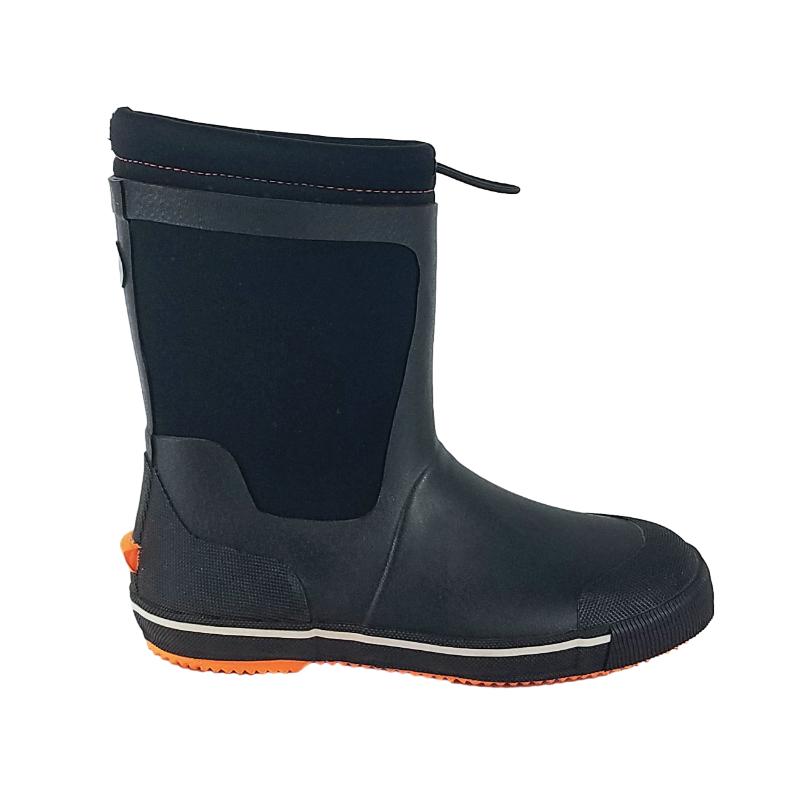
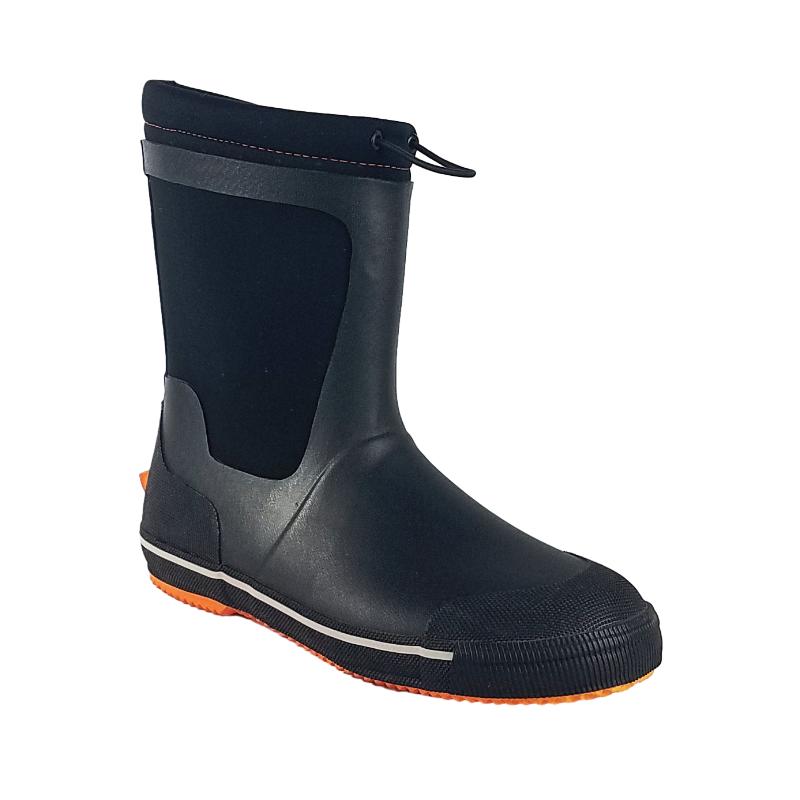
Mid Calf Rubber Boots – Waterproof, Non-Slip Comfort
Waterproof Middle Rubber Boots SYGL-1N: Field Notes from the Muddy Edge
If you spend time in orchards, processing plants, or simply rainy job sites, you know how quickly poor boots betray you. I’ve been tracking boot factories for a decade, and when I tried the Mid Calf Rubber Boots from Landwalk Outdoor (model SYGL-1N), the most surprising thing was not the waterproofing—it was the balance of compound hardness and grip. Many customers say they feel “less clunky” than typical farm boots, which, to be honest, is rare in this price band.
Quick Industry Snapshot
Rubber footwear is quietly shifting toward blended compounds (NR/NBR) for better oil resistance and longevity, plus more rigorous slip standards. Food plants push for EN ISO 13287 slip performance, and agriculture leans on abrasion/ozone resistance. Meanwhile, buyers want customization—logos, colors, and liners—without 2,000-pair MOQs. Landwalk’s team in Baoding is leaning into that trend.
Technical Specs (SYGL-1N)
| Model | Waterproof Middle Rubber boots SYGL-1N |
| Height | Mid-calf ≈ 28–32 cm (size dependent) |
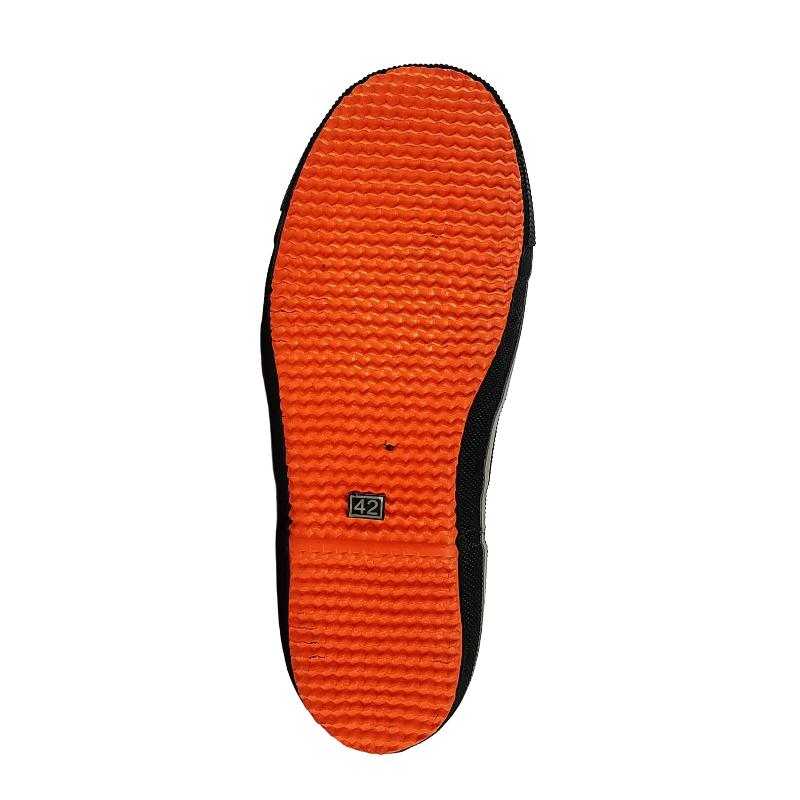
| Upper/Outsole | Vulcanized natural rubber (optional NR/NBR blend); lugged rubber outsole |
| Lining options | Poly-cotton or neoprene (seasonal) |
| Compound hardness | Shore A 60 ± 5 (real-world use may vary) |
| Thickness | ≈ 1.8 ± 0.2 mm upper |
| Weight | ≈ 1.35 kg/pair (EU 42) |
| Waterproof tests | Whole-boot water penetration per ISO 20344: Pass; Hydrostatic 50 kPa/5 min: No leak (internal lab) |
| Slip resistance | EN ISO 13287 SRA: heel ≥ 0.36, flat ≥ 0.40 (typical lot data) |
| Oil/chemical | Optional NBR blend per ASTM D471: volume change ≤ 25% |
| Service life | 12–24 months heavy duty; up to 3–5 years moderate use (care-dependent) |
Process & Quality Flow
Materials: selected NR (or NR/NBR), anti-ozone and anti-aging additives. Methods: mixing → calendering → cutting → boot building on lasts → vulcanization → trimming. Testing: adhesion peel, flex resistance (ISO 20344), slip (EN ISO 13287), oil immersion (ASTM D471), accelerated aging (ASTM D573). Documentation: CE route for PPE under EU 2016/425 on request; REACH-compliant compounding available.
Where These Boots Make Sense
- Agriculture and landscaping: slurry, irrigation, slick clay.
- Fishery and food processing: wet floors, detergents, light oils.
- Construction and municipal works: rain, washdowns, debris.
- Sanitation and utilities: hose-down zones, manhole work.
Advantages users report: strong heel hold, less calf chafing, and—surprisingly—better day-two comfort after break‑in. Mid Calf Rubber Boots also store well; keep them cool and out of UV and they’ll last longer than you’d expect.
Vendor Comparison (Buyer’s Shortcut)
| Vendor | Customization | Lead Time | Standards Support | QC Docs |
|---|---|---|---|---|
| Landwalk Outdoor (Baoding) | Logos, colors, liners, NR/NBR blend | ≈ 15–30 days | ISO/EN test support, CE route (upon request) | Batch test sheets, material COA |
| Typical Importer | Limited color/logo | 30–45 days | Partial | Basic |
| Marketplace Seller | None | Stock only | N/A | N/A |
Customization & Ordering
MOQs around 300 pairs; brand marks via deboss or screen; compound tweak (oil/ozone), and liner selection by climate. Origin: Room 9-1, Zone F, 3rd Floor, Building D, Science and Technology Industrial Park, No. 723 Cuiyuan Street, Baoding City, Hebei Province. For private-label programs, ask for slip and water test reports tied to your P.O.—it sounds fussy, but it saves headaches.
Mini Case Files
- Dairy co-op (EU): switched to Mid Calf Rubber Boots with NBR blend; oil swell reduced ≈ 18% vs prior brand; slip claims dropped quarter-over-quarter.
- Municipal crew (APAC): winter neoprene lining trial; workers reported warmer toes and fewer mid-shift changes—small thing, big morale.
Final take: if you need dependable Mid Calf Rubber Boots with factory-level documentation—and a team that won’t ghost you after shipment—SYGL-1N is a practical, budget-sane pick.
References
- ISO 20344: Personal protective equipment — Test methods for footwear. https://www.iso.org/standard/59750.html
- EN ISO 13287: Personal protective equipment — Footwear — Test method for slip resistance. https://www.iso.org/standard/63598.html
- ASTM D471: Standard Test Method for Rubber Property—Effect of Liquids. https://www.astm.org/d0471-16.html
- ASTM D573: Standard Test Method for Rubber—Deterioration in an Air Oven. https://www.astm.org/d0573-04r21.html
- EU Regulation (EU) 2016/425 on PPE (CE marking framework). https://eur-lex.europa.eu/eli/reg/2016/425/oj
Latest news
-
Ultimate Guide to Choosing the Best Farmers Wellington BootsNewsApr.16,2026
-
The Ultimate Guide to Choosing the Best Professional Farming WelliesNewsApr.09,2026
-
Comprehensive Guide to Choosing the Perfect Field Wellies for Outdoor AdventuresNewsApr.07,2026
-
Choosing the Right Fit for Good Quality Wellies and Outdoor AdventuresNewsApr.04,2026
-
Choosing the Right Fit A Comprehensive Guide to Good Wellies and Outdoor FootwearNewsMar.31,2026
-
Choosing the Right Footwear A Comprehensive Guide to Good Wellington BootsNewsMar.28,2026
-
Choosing the Right Hard Wearing Wellies for Outdoor AdventuresNewsMar.26,2026