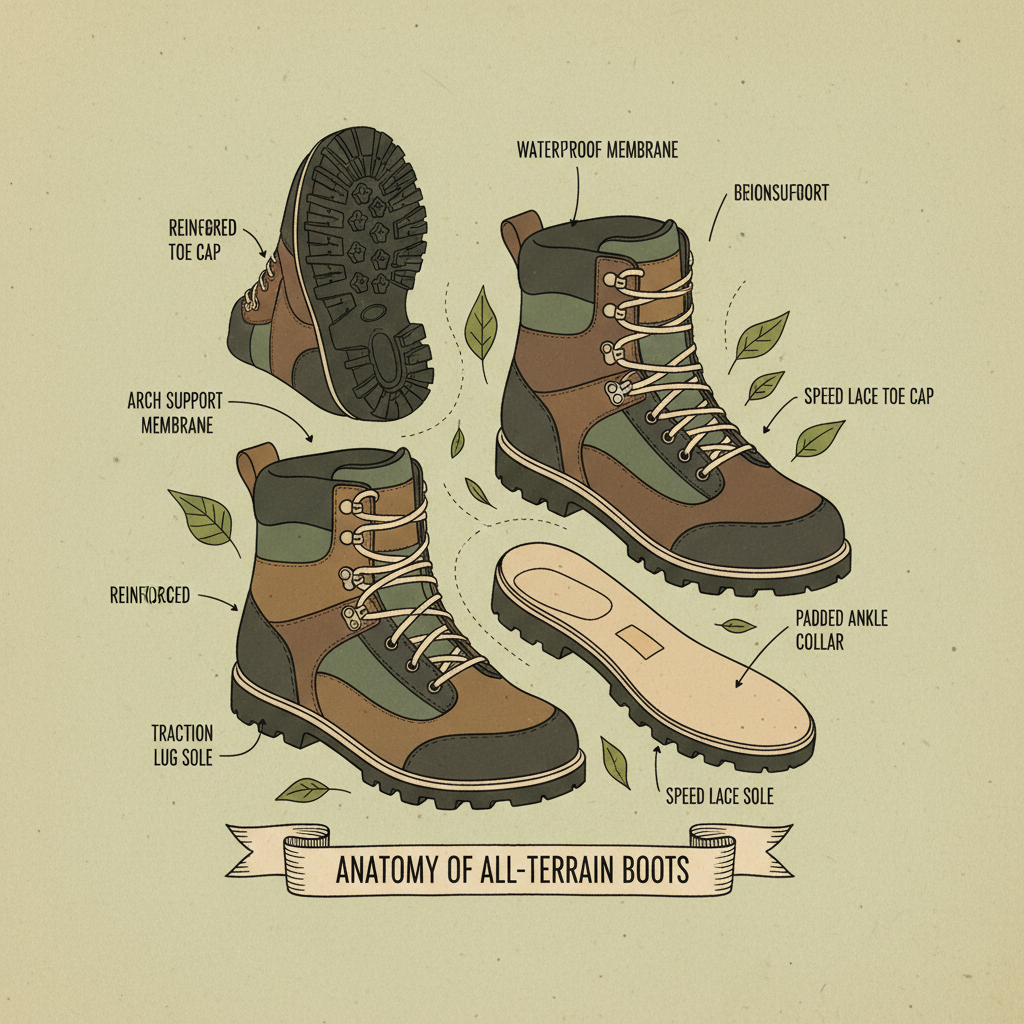


When sourcing specialized waterproof footwear, the primary challenge for procurement managers often lies in balancing extreme durability with wearer comfort. Finding a reliable rubber boots supplier is not merely about purchasing a product, but about securing a supply chain that understands the technical demands of various environments, from industrial chemical zones to deep-forest hunting terrains. The discrepancy between generic rain boots and professional-grade utility footwear can be the difference between operational safety and costly equipment failure in the field.
The necessity for precision in footwear selection becomes evident when analyzing the specific needs of niche markets. Whether it is the rigorous requirements of Army Camouflage Boots for tactical concealment or the waterproof integrity needed for Waders and Hunting & Fishing Boots, the materials used must withstand repeated friction and environmental stress. For safety officers and outdoor enthusiasts, the focus shifts toward anti-slip properties and arch support, ensuring that Utility All Purpose Rubber Boots and Safety Wellies provide stability during long-duration wear in hazardous conditions.
Navigating the global market for these products requires a partner who integrates design, production, and export expertise into a single workflow. By analyzing the intersection of material science and ergonomic design, businesses can optimize their footwear procurement for both performance and cost-effectiveness. In this guide, we examine the critical criteria for evaluating a rubber boots supplier to ensure your gear meets international performance standards.


Professional rubber footwear is engineered to solve the problem of moisture ingress while maintaining structural integrity under pressure. Unlike consumer-grade boots, industrial and outdoor gear must balance waterproof barriers with breathability. This is often achieved through a combination of high-density rubber uppers and specialized linings, such as breathable mesh, which prevents moisture buildup inside the boot while blocking external water.
The engineering focus extends to the interior architecture, where orthotic insoles are integrated to provide essential arch support and stability. For users who spend 8-12 hours on their feet, this ergonomic consideration reduces fatigue and prevents long-term musculoskeletal strain. The integration of TPR (Thermoplastic Rubber) in the outsole further enhances this design by offering anti-shock properties and higher elasticity, ensuring the boot remains durable across thousands of miles of friction.
The longevity of waterproof footwear depends heavily on the chemical composition of the rubber and the bonding process of the sole. TPR outsoles are preferred in high-wear environments because they combine the flexibility of rubber with the strength of plastics, resulting in superior wear resistance and stability on slippery surfaces. When evaluating a supplier, the focus should be on the elasticity of the TPR and its ability to maintain grip in varied temperature ranges.
Another pivotal factor is the upper material's breathability. The use of comfortable mesh uppers in casual sport versions of these boots allows for airflow, which is critical for preventing fungal growth and skin irritation. In contrast, for heavy-duty waders or safety wellies, the material density is increased to ensure zero permeability, utilizing advanced molding technology to eliminate seams that could potentially leak under hydraulic pressure.
Finally, the fit and closure system determine the practical utility of the boot. A round design provides a snug fit that minimizes internal foot movement, which is the primary cause of blisters during long treks. By pairing a hard-wearing sole with a flexible upper, manufacturers can create a product that withstands the rigors of camping, trail walking, and industrial exercise without compromising the wearer's agility.
A supplier that integrates design, production, and sales provides a significant advantage in quality control and lead-time reduction. By controlling the entire pipeline—from the initial design of a camouflage pattern for Army Boots to the final quality check of a Safety Welly—manufacturers can ensure that every pair meets the specified performance standards without the variances typically introduced by outsourcing components.
Scale and experience are the strongest indicators of reliability. A facility spanning 50,000 square meters with a capacity of 3 million pairs per year indicates the ability to handle large-scale international orders while maintaining consistency across batches, a critical requirement for corporate procurement.
This vertical integration also allows for rapid innovation. When market demands shift toward more fashion-forward rubber rain boots or specialized fishing gear, a manufacturer with an in-house design team can iterate prototypes quickly. This agility ensures that the products remain competitive in diverse markets, such as Russia, the USA, and Western Europe, where climate-driven footwear needs vary significantly.
When selecting materials for footwear, the trade-off between weight, durability, and shock absorption is the primary technical consideration. TPR outsoles offer a balanced profile, providing higher elasticity than traditional hard rubber, which translates to better energy return during walking and reduced impact on the joints.
In comparison to standard PVC or basic rubber, TPR shows higher stability in cross-training and cycling applications. The following data illustrates the relative performance scores of common sole materials used in utility and sport footwear across five key durability metrics.
The application of rubber footwear varies drastically based on the environment. For instance, Hunting & Fishing Boots must prioritize camouflage and absolute water blockage in marshy terrains, whereas Utility All Purpose Rubber Boots are designed for versatility in agricultural and light industrial settings. In these contexts, the focus is on a balance of comfort and basic protection against moisture and debris.
For urban and lifestyle use, Fashion Rubber Rain Boots emphasize aesthetics without sacrificing the core waterproof function. Meanwhile, Safety Wellies are deployed in construction or chemical handling where the outsole must be specifically engineered for oil resistance and puncture protection. Understanding these distinctions allows buyers to match the specific footwear category to the operational risk of the environment.
The industry is shifting toward the use of multi-layered synthetics and hybrid materials that offer the protection of rubber with the lightness of sports footwear. The integration of stretch fabrics and plush linings is becoming standard for boots intended for travel, camping, and daily casual wear, ensuring that the footwear can transition from outdoor utility to urban fashion seamlessly.
Sustainability is also driving a move toward recyclable TPR and eco-friendly rubber compounds. This evolution is not just about environmental impact but also about improving the lifecycle of the boot. Modern compounds are being engineered to resist cracking in extreme cold—a critical requirement for markets in Finland, Sweden, and Russia.
Furthermore, the adoption of orthotic support as a standard feature rather than a luxury add-on reflects a deeper understanding of wearer health. By incorporating arch support directly into the production mold, manufacturers are providing a product that enhances stability and reduces the risk of fatigue-related injuries during high-intensity activities.
Procuring footwear at scale often involves challenges related to sizing consistency and material certification. To mitigate these risks, buyers should look for suppliers with long-term historical data and a proven track record in multiple international markets. A supplier with over 30 years of experience is more likely to have refined its quality control processes for different regional size standards.
Another common hurdle is the balance between price and performance. While affordable products are necessary for mass distribution, cutting costs on the outsole material often leads to premature wear. The most effective procurement strategy is to analyze the total lifecycle cost—comparing the initial purchase price against the expected replacement frequency.
Finally, verifying the production capacity is essential to avoid supply chain disruptions. A factory with hundreds of sets of auxiliary equipment and a multi-million pair annual capacity can better absorb demand spikes and maintain a stable delivery schedule for global partners.
| Product Category | Primary Material | Key Performance Feature | Ideal Environment |
|---|---|---|---|
| Safety Wellies | Heavy Rubber/TPR | Oil & Slip Resistance | Industrial Sites |
| Fishing Boots | Waterproof Rubber | Zero-Permeability | Wetlands/Rivers |
| Army Camouflage | Synthetic/Rubber | Tactical Concealment | Field Operations |
| Casual Sport | Breathable Mesh/TPR | Anti-shock/Airflow | Daily Exercise |
| Waders | Reinforced Rubber | Full-Leg Waterproof | Deep Water/Fishing |
| Fashion Rain Boots | Soft Rubber | Aesthetic Design | Urban Rainy Weather |
Professional rubber boots are engineered with higher-grade materials like TPR outsoles for anti-shock properties and orthotic insoles for arch support. While standard boots focus on basic water resistance, professional gear is designed for durability under repeated friction, specific industrial safety standards, and prolonged wear in extreme environments such as hunting or industrial sites.
TPR (Thermoplastic Rubber) provides a superior balance of elasticity and wear resistance compared to traditional PVC. It offers enhanced anti-shock capabilities, which reduces the impact on the wearer's feet during walking or running. Additionally, TPR maintains its stability and grip across a wider range of temperatures and surfaces, making it ideal for both utility and sport shoes.
For long-term activities like camping or hiking, a combination of breathable mesh uppers and durable TPR soles is recommended. This ensures that the feet stay dry from internal perspiration through airflow while remaining protected from external moisture. Orthotic insoles are also critical in this category to prevent foot fatigue during multi-day treks.
Evaluation should be based on three pillars: production capacity, historical experience, and market reach. A reliable supplier should possess a large-scale facility (e.g., 50,000+ sq meters), a long operational history (20-30+ years), and a proven export record to diverse climate zones like Northern Europe and North America, indicating their ability to meet various quality standards.
Breathable mesh is used in hybrid sport and casual footwear to improve airflow and prevent damage during repeated friction. However, for boots requiring absolute waterproof integrity, such as Waders or Safety Wellies, solid rubber or treated synthetics are used. The choice depends on whether the priority is moisture evacuation (breathability) or moisture exclusion (waterproofing).
The lifecycle is primarily affected by the quality of the rubber compound and the bonding strength of the sole. Exposure to extreme UV radiation, chemicals, and abrasive surfaces can degrade the material. Using high-performance TPR and advanced molding techniques helps prevent cracking and sole separation, thereby extending the usable life of the boot in harsh environments.
Securing high-performance waterproof footwear requires a strategic understanding of material science, from the shock-absorbing properties of TPR outsoles to the ergonomic benefits of orthotic support. Whether the need is for tactical Army boots or industrial safety wellies, the value lies in the intersection of durability, comfort, and precise engineering. By prioritizing suppliers with integrated production capabilities and extensive international experience, businesses can ensure their footwear meets the rigorous demands of any environment.
For organizations seeking a partner capable of delivering scalable, high-quality rubber and sport footwear solutions, examining the full range of production capabilities is essential. You can explore professional-grade options and customized manufacturing services by visiting www.landwalkpro.com to find the right fit for your operational requirements.