



Sep . 10, 2025 09:00
Back to list
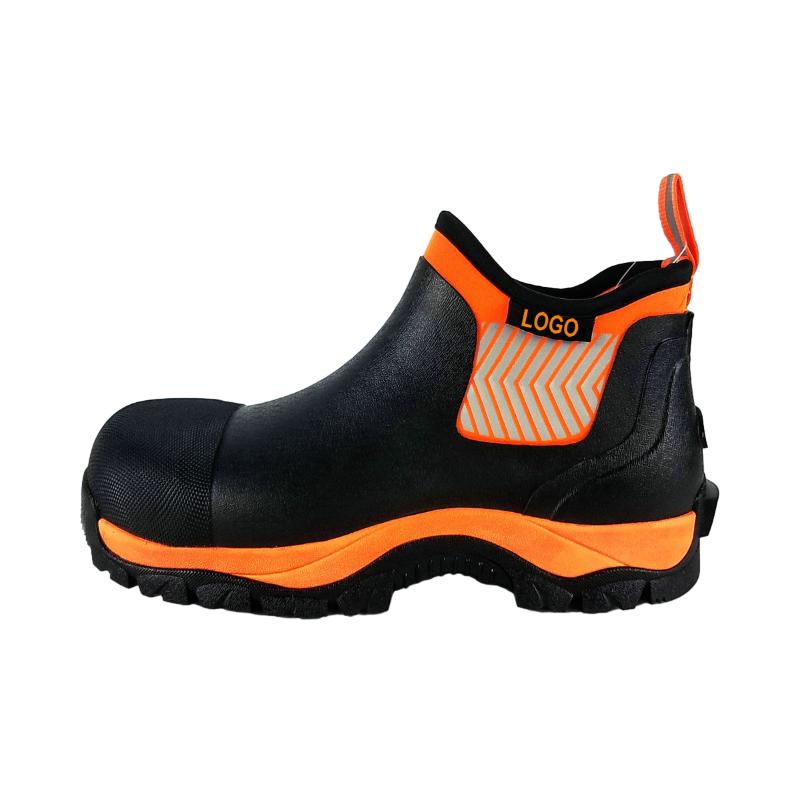
Safety Low Rubber Boots SY02-14NOS5 - Waterproof, Durable Protection
Industry Trends and the Imperative of Advanced Safety Footwear
In dynamic industrial environments, worker safety is paramount, directly impacting productivity, compliance, and corporate reputation. The market for personal protective equipment (PPE), particularly safety footwear, is experiencing robust growth driven by stringent regulations, increasing awareness, and technological advancements. Key trends include the integration of lightweight yet highly protective materials, enhanced ergonomic designs for comfort during extended wear, and a greater emphasis on multi-hazard protection. Industries such as petrochemicals, construction, agriculture, and general manufacturing are continuously seeking footwear solutions that offer superior protection against slips, chemical exposure, impacts, and electrical hazards without compromising agility or comfort.
The demand for specialized footwear capable of withstanding corrosive substances, extreme temperatures, and sharp objects is escalating. This has led to the development of purpose-built solutions like the Safety Low Rubber Boots SY02-14NOS5. This product is engineered to meet the rigorous demands of various sectors, offering an optimal blend of protection, durability, and ergonomic design. Its relevance is underscored by a global push towards zero-incident workplaces, where every piece of PPE plays a critical role in mitigating risks. Modern industrial safety protocols necessitate footwear that not only complies with international standards but also contributes to a more productive and healthy workforce.
Technological innovations are also steering the industry towards advanced material science, enabling the creation of rubber compounds that offer enhanced resistance to a wider spectrum of chemicals and improved slip coefficients. The goal is to provide protective gear that feels less cumbersome, reducing worker fatigue and increasing compliance. This evolution positions purpose-built safety footwear as an indispensable asset in modern industrial operations, moving beyond mere compliance to proactive risk management and worker well-being.
Technical Specifications and Performance Metrics of Safety Low Rubber Boots SY02-14NOS5
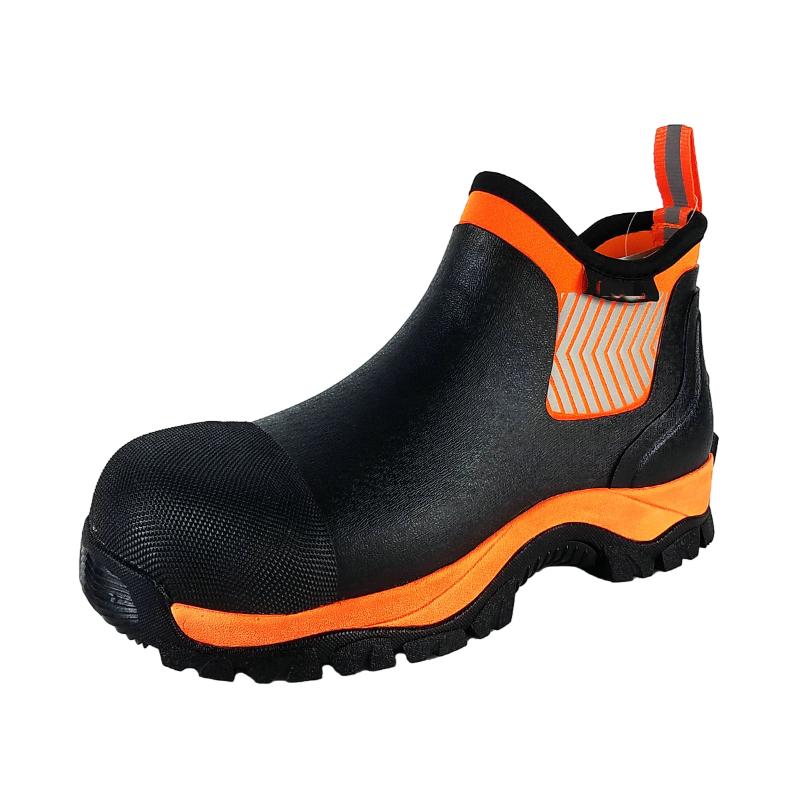
The Safety Low Rubber Boots SY02-14NOS5 are engineered with precision to deliver unparalleled protection and durability. These boots feature a robust construction designed to withstand harsh industrial conditions, ensuring worker safety and comfort. Key technical aspects include a high-grade rubber compound, reinforced toe and sole protection, and advanced slip-resistant outsoles.
Core Material Composition:
- Upper Material: High-quality, oil, acid, and alkali-resistant rubber blend (e.g., PVC/Nitril blend for enhanced chemical resistance), offering superior impermeability and flexibility.
- Toe Cap: Integrated steel toe cap, meeting or exceeding EN ISO 20345 (200 Joules impact resistance) and ASTM F2413 (I/75 C/75 impact and compression resistance) standards.
- Midsole (Optional): Puncture-resistant steel or composite plate, providing protection against underfoot penetration (e.g., 1100 N puncture resistance).
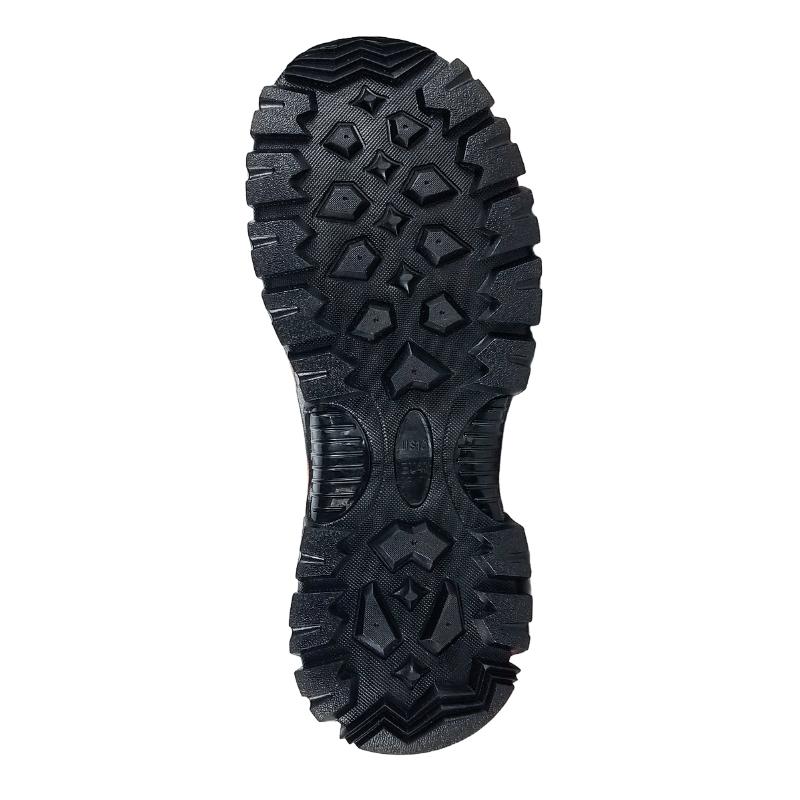
- Outsole: Self-cleaning, aggressive tread pattern made from a specialized rubber compound for exceptional slip resistance (SRC rated), oil resistance, and abrasion resistance.
- Lining: Quick-drying, comfortable textile lining designed for moisture management and hygiene.
Product Specification Table:
| Feature | Specification | Standard Compliance |
|---|---|---|
| Material | PVC/Nitril Rubber Blend | REACH Compliant |
| Toe Protection | Steel Toe Cap (200 Joules) | EN ISO 20345:2011 S5, ASTM F2413-18 I/C/EH |
| Midsole Protection | Steel Puncture Plate (1100 N) | EN ISO 20345:2011 S5, ASTM F2413-18 PR |
| Slip Resistance | SRC (SRA + SRB) Rated Outsole | EN ISO 20345:2011 |
| Chemical Resistance | Excellent against acids, alkalis, oils | Proprietary Testing |
| Electrical Hazard (EH) | Up to 18kV, 60Hz, 1 minute | ASTM F2413-18 EH |
| Service Life (Estimated) | 1-2 years under typical industrial use | Usage Dependent |
These detailed specifications underscore the commitment to delivering a product that not only meets but often exceeds the most demanding industrial safety requirements. The integration of advanced materials and design principles ensures that the Safety Low Rubber Boots SY02-14NOS5 provide reliable protection in hazardous environments.
Manufacturing Excellence: The Process Behind Safety Low Rubber Boots SY02-14NOS5
The production of the Safety Low Rubber Boots SY02-14NOS5 involves a meticulously controlled multi-stage manufacturing process, designed to ensure consistent quality, superior durability, and adherence to stringent safety standards. This process leverages advanced rubber molding and vulcanization techniques, far removed from the casting or CNC machining found in metallurgy, to create a seamless, protective, and comfortable boot.
Detailed Process Flow:
1. Material Compounding & Mixing
High-grade PVC and Nitrile rubber polymers are precisely weighed and mixed with reinforcing agents, anti-degradants, and vulcanizing chemicals. This critical step determines the boot's chemical resistance, flexibility, and overall durability. Computer-controlled mixers ensure homogeneity.
2. Component Preparation
The compounded rubber is then fed into extruders or calenders to form sheets and specialized shapes for different boot components (e.g., upper, outsole, heel). Steel toe caps and puncture-resistant midsoles are prepared and coated for optimal adhesion.
3. Boot Assembly & Molding
Various boot components, including the liner, toe cap, mid-sole, and upper, are carefully assembled onto a last (a foot-shaped mold). This assembly is then placed into a high-pressure injection molding machine, where the final boot shape is formed and fused.
4. Vulcanization (Curing)
The assembled boots undergo vulcanization, a heat and pressure treatment that chemically cross-links the rubber polymers. This process provides the boot with its permanent shape, elasticity, enhanced strength, and resistance to environmental factors.
5. Finishing & Quality Control
After cooling, boots are de-molded, trimmed of excess material, and cleaned. Each boot then undergoes rigorous quality control checks, including visual inspection, dimensional checks, and functional tests to ensure compliance with EN ISO 20345 and ASTM F2413 standards for impact, compression, and slip resistance.
6. Packaging
Approved boots are carefully packaged, often with individual protective wrapping, and prepared for shipment. Batch tracking ensures full traceability from raw materials to the final product.
This sophisticated process ensures that every pair of Safety Low Rubber Boots SY02-14NOS5 delivers consistent performance, reliability, and protection. Our commitment to ISO 9001 certified manufacturing practices guarantees high product quality and adherence to global safety benchmarks.
Application Scenarios and Technical Advantages
The robust design and specialized material composition of the Safety Low Rubber Boots SY02-14NOS5 make them ideal for a wide array of demanding industrial and agricultural environments where conventional footwear is insufficient. These boots are engineered to address specific hazards, providing unparalleled safety and operational efficiency.
Target Industries and Applications:
- Petrochemical & Chemical Processing: Protection against splashes from acids, alkalis, oils, and other corrosive chemicals. Essential for refinery workers, chemical plant operators, and laboratory personnel.
- Agriculture & Aquaculture: Superior waterproofing and resistance to animal waste, fertilizers, and pesticides. Ideal for farm workers, fisheries, and livestock management.
- Construction & Public Works: Puncture resistance from nails and debris, impact protection from falling objects, and reliable slip resistance on muddy or uneven terrains. Applicable for general contractors, utility workers, and civil engineers.
- Food Processing & Cold Storage: Easy-to-clean surfaces, slip resistance on wet and greasy floors, and protection against extreme temperatures. Critical for food handlers, processing line workers, and cold storage logistics.
- Water Supply & Drainage: Impermeability and resistance to contaminated water. Essential for municipal workers, plumbers, and environmental service crews.
- Mining & Quarrying: Robust protection against sharp rocks, heavy impacts, and abrasive conditions.
Technical Advantages:
- Enhanced Slip Resistance (SRC Rated): The specialized outsole pattern and compound provide exceptional grip on ceramic tile with detergent and on steel with glycerol, significantly reducing the risk of slips and falls, a leading cause of industrial accidents.
- Superior Chemical Protection: The proprietary PVC/Nitril blend offers robust resistance against a broad spectrum of industrial chemicals, preventing skin contact and potential injuries. This is a crucial advantage in hazardous materials handling.
- Impact & Compression Safeguard: Equipped with a 200 Joules steel toe cap, these boots provide critical protection against heavy falling objects and compression forces, adhering to global safety standards like EN ISO 20345.
- Puncture Resistance: The optional steel or composite midsole protects the foot from sharp objects on the ground, such as nails, glass, and rebar, enhancing overall foot integrity.
- Waterproof Integrity: Fully waterproof construction ensures feet remain dry and comfortable, preventing trench foot and other moisture-related ailments, particularly in wet environments.
- Electrical Hazard (EH) Protection: Select models offer EH rating, providing a secondary protection against incidental contact with electrically energized objects, crucial for electricians and utility workers.
- Ergonomic Comfort: Despite robust protection, the boots are designed for extended wear, featuring cushioned insoles and ergonomic fit to minimize fatigue and improve worker comfort and productivity.
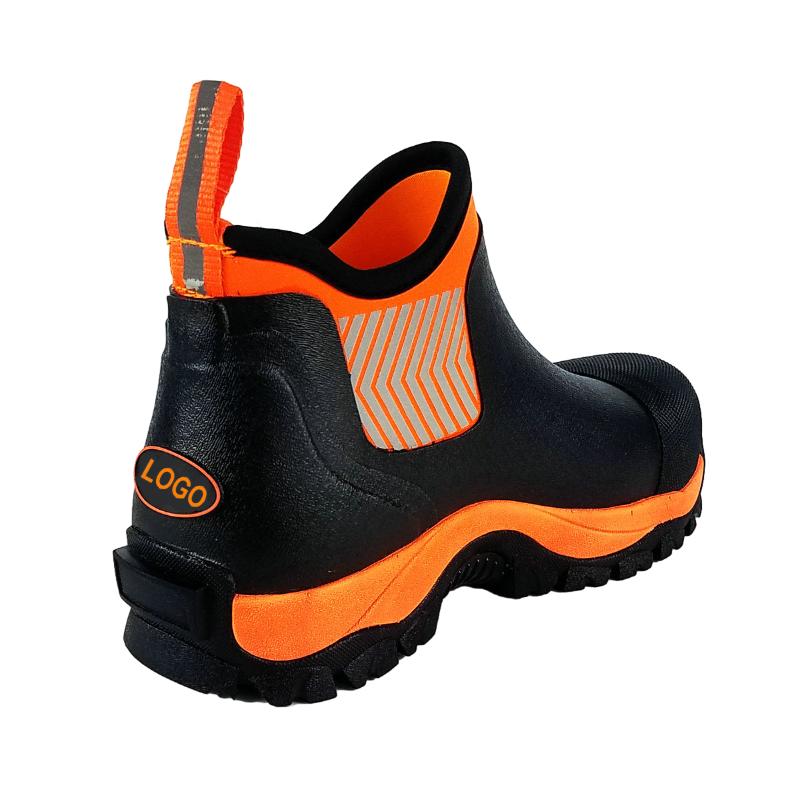
These advantages collectively ensure that the Safety Low Rubber Boots SY02-14NOS5 represent a superior choice for businesses prioritizing worker safety and long-term operational efficiency. The low-cut design also offers increased flexibility and lighter weight, ideal for tasks requiring frequent movement without compromising essential foot protection.
Competitive Landscape: Vendor Comparison and Unique Value Proposition
The market for safety rubber boots is diverse, with numerous manufacturers offering various levels of protection and features. However, the Safety Low Rubber Boots SY02-14NOS5 distinguish themselves through a combination of superior material science, rigorous adherence to international safety standards, and a focus on user comfort and durability.
Product Comparison Table: SY02-14NOS5 vs. Generic Competitors
| Feature | Safety Low Rubber Boots SY02-14NOS5 | Generic Competitor A (Standard PVC Boot) | Generic Competitor B (Higher-End Rubber Boot) |
|---|---|---|---|
| Material | PVC/Nitril Rubber Blend | Standard PVC | Nitrile Rubber |
| Chemical Resistance | Excellent (Acids, Alkalis, Oils) | Good (Limited to certain chemicals) | Very Good (Broader range, but often less flexible) |
| Slip Resistance (SRC) | Yes | No (often SRA/SRB only) | Yes |
| Toe Protection | Steel (200J) | Steel (200J) or Composite | Steel (200J) |
| Puncture Resistance | Yes (Optional Steel/Composite) | Rarely | Often |
| Electrical Hazard (EH) | Yes (ASTM F2413-18 EH) | No | Rarely |
| Comfort & Flexibility | High (Optimized blend) | Moderate (Stiffer, less ergonomic) | Good (Can be heavier) |
| Estimated Service Life | 1-2 years (Industrial use) | 6-12 months | 1-2.5 years |
Key Differentiators and Value Proposition:
- Advanced Material Blend: The SY02-14NOS5 utilizes a sophisticated PVC/Nitril blend that strikes an optimal balance between chemical resistance, flexibility, and durability, often surpassing single-polymer alternatives. This compound is rigorously tested to ensure long-term integrity in harsh conditions.
- Comprehensive Safety Certifications: Our boots are independently certified to meet both European (EN ISO 20345 S5) and American (ASTM F2413 I/C/EH) standards. This dual certification ensures global applicability and verified performance, a level of assurance not always present with competitors.
- Superior Slip Resistance: Achieving SRC rating means the boots have passed tests on both ceramic tile with soap solution and steel plate with glycerol, providing confidence on a wider variety of slick surfaces compared to boots that only meet SRA or SRB.
- Ergonomic Design for Reduced Fatigue: Unlike many utilitarian rubber boots that prioritize protection over comfort, the SY02-14NOS5 incorporates ergonomic principles, lighter weight, and a flexible low-cut design to reduce worker fatigue, leading to increased productivity and fewer discomfort-related issues.
- Cost-Effectiveness Over Lifetime: While initial cost might be comparable or slightly higher than basic PVC boots, the extended service life, reduced accident rates, and improved worker satisfaction translate into a significantly lower total cost of ownership for the SY02-14NOS5.
Choosing the Safety Low Rubber Boots SY02-14NOS5 is an investment in proven safety, employee well-being, and long-term operational efficiency. We provide a solution that minimizes risks and maximizes performance in the most challenging industrial settings.
Tailored Safety: Customization Options and Supply Chain Logistics
Recognizing that every industrial operation has unique requirements, we offer comprehensive customization options for bulk orders of the Safety Low Rubber Boots SY02-14NOS5. Our aim is to provide solutions that perfectly align with your specific safety protocols and branding needs, ensuring optimal protection and seamless integration into your operations.
Customization Capabilities:
- Color & Branding: Custom color options can be provided to match corporate branding or departmental identification. Client logos or specific markings can be molded onto the boots, enhancing brand presence and accountability.
- Feature Integration: Based on specific hazard assessments, we can integrate additional features such as specialized liners for enhanced thermal insulation, anti-fatigue insoles, or alternative tread patterns for niche slip resistance requirements.
- Certification Tailoring: While standard certifications are robust, we can work with clients to achieve additional specific regional or industry-specific certifications if required for large-volume orders.
- Packaging Solutions: Tailored packaging can be arranged, including specific box sizes, labeling, and palletization to streamline your internal logistics and distribution.
Lead Time and Fulfillment:
- Standard Orders: For standard configurations and sizes, typical lead times range from 3-5 weeks, depending on order volume and current production schedules.
- Customized Orders: Lead times for customized solutions will be determined upon specification finalization, typically ranging from 6-10 weeks to account for material sourcing, mold adjustments, and specific testing.
- Expedited Shipping: We offer various shipping options, including expedited freight, to meet urgent deadlines. Detailed logistics plans are provided at the time of quotation.
- Global Distribution: With established logistics partners, we ensure efficient and reliable delivery to destinations worldwide, managing all aspects of international shipping and customs clearance.
Our dedicated account management team works closely with B2B clients from initial consultation through delivery, ensuring that all requirements are met with precision and professionalism.
Real-World Impact: Application Case Studies
The performance of the Safety Low Rubber Boots SY02-14NOS5 has been validated in diverse and challenging industrial environments. These case studies highlight the tangible benefits and reliability delivered to our clients.
Case Study 1: Petrochemical Processing Facility
A major petrochemical plant faced consistent challenges with traditional safety boots failing due to chemical degradation and inadequate slip resistance on oily surfaces. After implementing the SY02-14NOS5 for their maintenance and production teams, they reported a 35% reduction in slip-related incidents over a 12-month period. Employee feedback highlighted the boots' superior chemical resistance and comfort during prolonged shifts. The plant's safety manager noted, "The durability and consistent performance of these boots have significantly contributed to our safety metrics and reduced our PPE replacement costs."
Case Study 2: Commercial Agriculture Operation
An expansive agricultural enterprise needed robust, waterproof boots for workers exposed to mud, animal waste, and fertilizers daily. Previous boots often cracked or allowed moisture ingress, leading to discomfort and premature wear. Adopting the SY02-14NOS5 resulted in a doubling of average boot service life and a marked improvement in worker comfort and hygiene. The operational manager observed, "Our team can now work through adverse weather conditions with dry, protected feet. This has boosted morale and productivity, especially during peak seasons."
Case Study 3: Food Processing Plant
A large-scale food processing facility required safety footwear that could withstand frequent washing, provide excellent slip resistance on wet and greasy floors, and offer chemical protection against cleaning agents. The SY02-14NOS5 were introduced across several processing lines. Within six months, the facility recorded a 20% decrease in minor foot injuries and a significant reduction in worker complaints about foot fatigue. The boots' easy-to-clean surface also simplified sanitation protocols. The compliance officer stated, "The SY02-14NOS5 boots have proven to be a reliable and hygienic solution, critical for maintaining our stringent food safety standards."
These testimonials and quantifiable improvements underscore our product's capability to deliver exceptional value and protect workers in demanding industrial settings.
Ensuring Trust: Quality, Warranty, and After-Sales Support
Our commitment to quality and customer satisfaction extends beyond product delivery. We believe in building lasting relationships with our B2B partners through transparency, comprehensive support, and unwavering reliability.
Authoritative Certifications & Quality Assurance:
- ISO 9001:2015 Certified Manufacturing: Our production facilities operate under a stringent Quality Management System, ensuring consistent product quality from raw material sourcing to final inspection.
- EN ISO 20345:2011 S5 & ASTM F2413-18 Compliance: All Safety Low Rubber Boots SY02-14NOS5 are independently tested and certified to meet the highest international safety standards, confirming their protective capabilities.
- Continuous R&D and Testing: We invest in ongoing research and development, subjecting our products to continuous internal and third-party testing to ensure they remain at the forefront of safety technology and performance.
- Traceability: Every batch of boots is fully traceable through our manufacturing process, allowing for swift identification and resolution of any potential quality issues.
Warranty Commitments:
We offer a comprehensive 12-month manufacturer's warranty on the Safety Low Rubber Boots SY02-14NOS5 against defects in materials and workmanship. This warranty covers manufacturing flaws under normal usage conditions. Exclusions apply for damage resulting from misuse, improper maintenance, unauthorized alterations, or normal wear and tear beyond the expected service life. Our aim is to ensure our products meet your expectations for quality and performance.
Customer Support & After-Sales Service:
- Dedicated Account Managers: Each client is assigned a dedicated account manager who serves as a single point of contact for all inquiries, from technical specifications to order fulfillment and after-sales support.
- Technical Assistance: Our team of product specialists provides expert guidance on product selection, application best practices, and troubleshooting.
- Responsive Service: We are committed to prompt responses for all customer service requests, ensuring minimal disruption to your operations.
- Feedback Integration: We actively solicit and integrate customer feedback into our product development and service improvement cycles, fostering a partnership approach.
Frequently Asked Questions (FAQ)
Q1: What is the primary difference between PVC and Nitrile rubber in safety boots?
A1: PVC (Polyvinyl Chloride) is generally lighter and more economical, offering good resistance to water and some chemicals. Nitrile rubber offers superior resistance to oils, fats, and a broader range of chemicals, as well as better abrasion resistance and flexibility in colder temperatures. The Safety Low Rubber Boots SY02-14NOS5 utilize a PVC/Nitril blend to combine the best properties of both, offering enhanced chemical protection and durability.
Q2: What do the S5 and SRC ratings signify for these boots?
A2: S5 is an EN ISO 20345 safety classification for footwear, indicating the boots have a protective toecap (200 Joules), puncture-resistant midsole, anti-static properties, energy absorption in the heel region, and are fully waterproof. SRC refers to the highest level of slip resistance, meaning the boots have been tested and passed on both ceramic tile with water and detergent (SRA) and steel with glycerol (SRB).
Q3: Can these boots be used in environments with electrical hazards?
A3: Yes, the Safety Low Rubber Boots SY02-14NOS5 are designed with Electrical Hazard (EH) protection as per ASTM F2413-18 standards. This provides a secondary form of protection against incidental contact with electrical circuits, crucial for safety in utility and electrical maintenance roles.
Q4: How should these boots be cleaned and maintained for optimal service life?
A4: To ensure optimal service life, clean the boots regularly with water and a mild detergent, especially after exposure to chemicals or harsh substances. Rinse thoroughly and allow them to air dry away from direct heat sources or sunlight. Avoid using solvents or aggressive cleaning agents, which can degrade the rubber compound. Store in a cool, dry place.
Q5: What is the minimum order quantity for customized boots?
A5: Minimum order quantities for customized boots vary depending on the specific customization requests (e.g., color, branding, feature integration). Please contact our sales team with your detailed requirements for a precise MOQ and quotation.
References
- International Organization for Standardization. (2011). ISO 20345:2011, Personal protective equipment – Safety footwear.
- ASTM International. (2018). ASTM F2413-18, Standard Specification for Performance Requirements for Protective (Safety) Toe Cap Footwear.
- Occupational Safety and Health Administration (OSHA). (2020). Personal Protective Equipment. U.S. Department of Labor.
- European Agency for Safety and Health at Work (EU-OSHA). (2021). Occupational safety and health in the chemicals industry.
- National Institute for Occupational Safety and Health (NIOSH). (2019). Protective Footwear. Centers for Disease Control and Prevention.
Latest news
-
Ultimate Guide to Choosing the Best Farmers Wellington BootsNewsApr.16,2026
-
The Ultimate Guide to Choosing the Best Professional Farming WelliesNewsApr.09,2026
-
Comprehensive Guide to Choosing the Perfect Field Wellies for Outdoor AdventuresNewsApr.07,2026
-
Choosing the Right Fit for Good Quality Wellies and Outdoor AdventuresNewsApr.04,2026
-
Choosing the Right Fit A Comprehensive Guide to Good Wellies and Outdoor FootwearNewsMar.31,2026
-
Choosing the Right Footwear A Comprehensive Guide to Good Wellington BootsNewsMar.28,2026
-
Choosing the Right Hard Wearing Wellies for Outdoor AdventuresNewsMar.26,2026