



Sep . 09, 2025 20:40
Back to list
SY02-9N Electrical Shock Resistance Rubber Boots: Ultimate Safety
Introduction to Advanced Electrical Safety Footwear
In high-risk industrial environments, personal protective equipment (PPE) is paramount, with electrical safety footwear playing a critical role in preventing severe injuries. The advanced Electrical Shock Resistance Rubber Boots SY02-9N represent a pinnacle in protective design, engineered to shield workers from electrical hazards. This article delves into the intricate details of this specialized safety boot, covering its manufacturing excellence, rigorous technical specifications, diverse application scenarios, and the comprehensive advantages it offers to industries where electrical safety is non-negotiable.
Addressing the stringent demands of sectors such as petrochemicals, metallurgy, utilities, and construction, the Electrical Shock Resistance Rubber Boots SY02-9N is not merely a piece of footwear but a sophisticated safety solution. We will explore its contribution to worker protection, the industry standards it adheres to, and its positioning within the competitive landscape of B2B electrical safety products.
Industry Trends in Electrical Safety Footwear
The global market for electrical safety footwear is continually evolving, driven by stricter regulatory compliance, increasing awareness of workplace safety, and advancements in material science. Key trends include the integration of lightweight yet durable materials, enhanced ergonomic designs for comfort during extended wear, and the adoption of smart technologies for monitoring wear and tear or environmental conditions. There's a growing demand for boots that offer multi-hazard protection, combining electrical insulation with features like slip resistance, puncture resistance, and chemical resistance. Furthermore, sustainability in manufacturing processes and materials is becoming a significant factor for procurement departments, seeking products with reduced environmental impact.
The focus is shifting from basic protective gear to comprehensive safety systems, where footwear is a critical component. Innovations in vulcanized rubber compounds and specialized polymers are enabling higher dielectric strengths without compromising flexibility or weight. This trend directly influences products like the Electrical Shock Resistance Rubber Boots SY02-9N, which must meet increasingly rigorous standards for dielectric performance while providing superior user comfort and durability.
The Manufacturing Process of Electrical Shock Resistance Rubber Boots SY02-9N
The production of the Electrical Shock Resistance Rubber Boots SY02-9N is a meticulous process, engineered for superior safety and longevity. It integrates advanced material science with precision manufacturing techniques to ensure every pair meets the highest performance criteria.
Materials Selection
The foundation of the SY02-9N's exceptional electrical shock resistance lies in its proprietary rubber compound. This compound is typically a blend of natural rubber and synthetic elastomers, chosen for their inherent dielectric properties, resistance to aging, and flexibility. Additional additives enhance tear strength, abrasion resistance, and chemical stability, ensuring the boot performs reliably in demanding industrial environments. The lining often incorporates moisture-wicking materials for wearer comfort, while the sole is designed for maximum electrical insulation and slip resistance.
Manufacturing Process Steps
- Compound Mixing: Raw rubber, specialized insulating polymers, and reinforcing agents are precisely mixed in internal mixers under controlled temperatures to create a homogeneous, high-performance compound.
- Calendaring & Extrusion: The rubber compound is then calendered into sheets for the boot upper or extruded into specific shapes for soles and other components, ensuring consistent thickness and material integrity.
- Hand Lay-up & Assembly: Skilled technicians meticulously hand-lay the cut rubber components onto specialized lasts (boot-shaped molds). This step is crucial for achieving the boot's structural integrity and ergonomic fit. Reinforcement layers and linings are added at this stage.
- Vulcanization: The assembled boot on the last undergoes a controlled vulcanization process in high-pressure steam autoclaves. This irreversible chemical process cross-links the rubber polymers, transforming the material into its final, highly durable, elastic, and electrically insulating state. This process is critical for achieving the specified dielectric strength.
- Finishing & Quality Inspection: After vulcanization, the boots are removed from the lasts, trimmed, and undergo extensive finishing. Each boot then proceeds to a rigorous multi-stage quality control process.
Testing Standards and Quality Assurance
Every pair of Electrical Shock Resistance Rubber Boots SY02-9N is subjected to stringent testing to comply with international safety standards. Key tests include:
- Dielectric Strength Testing: Boots are immersed in water and subjected to high voltage (e.g., 20kV for one minute, with leakage current monitored). This ensures the insulation properties meet or exceed standards like ASTM F2413 EH (Electrical Hazard) or EN ISO 20345 (where applicable, with specific electrical resistance requirements).
- Leakage Current Measurement: Measures the amount of current passing through the material at a specific voltage, ensuring it remains below critical thresholds for safety.
- Impact & Compression Resistance: For boots with protective toecaps, tests ensure they can withstand specified impact and compression forces (e.g., 200 Joules impact, 15 kN compression).
- Slip Resistance: Evaluated on various surfaces (e.g., ceramic tile with detergent, steel with glycerine) to ensure robust grip.
- Flex Cracking & Abrasion Resistance: Assesses the material's durability under repeated stress and friction.
Typical service life for these boots, with proper care and inspection, often ranges from 3 to 5 years, though regular testing and visual inspection are crucial to ensure continued electrical integrity.
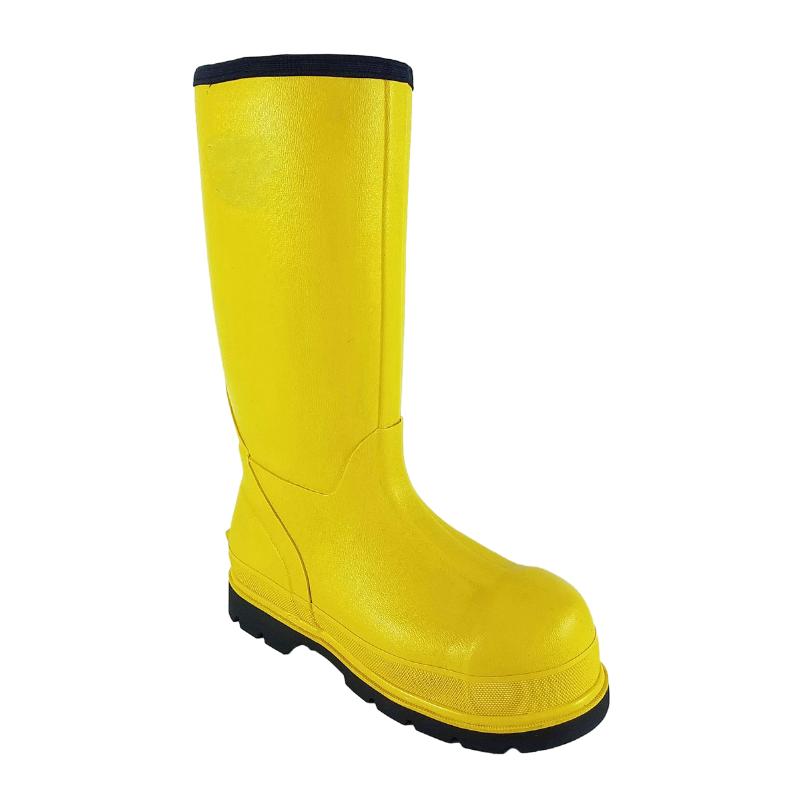
Technical Specifications & Performance of Electrical Shock Resistance Rubber Boots SY02-9N
The Electrical Shock Resistance Rubber Boots SY02-9N are engineered to provide exceptional electrical hazard protection, combined with durability and comfort for the wearer. Below are key technical specifications that underscore its performance and compliance with rigorous industry standards.
Product Specification Table: Electrical Shock Resistance Rubber Boots SY02-9N
These specifications highlight the boot's robust construction and advanced design, tailored to offer maximum protection against electrical hazards while ensuring comfort and durability in challenging work environments.
Key Technical Advantages of SY02-9N
The Electrical Shock Resistance Rubber Boots SY02-9N stands out due to several critical technical advantages, making it a preferred choice for professionals working in electrically hazardous zones:
- Superior Dielectric Protection: Engineered with a specialized rubber compound and multi-layer construction, the SY02-9N offers exceptional electrical insulation, significantly reducing the risk of shock from accidental contact with live electrical circuits up to 20kV. This performance surpasses many conventional safety boots.
- Integrated Multi-Hazard Safety: Beyond electrical resistance, these boots incorporate a non-metallic composite toecap and anti-puncture midsole, providing comprehensive protection against impact and penetration hazards without compromising electrical safety or adding unnecessary weight. This multi-functional design simplifies PPE requirements.
- Enhanced Durability & Longevity: The vulcanized rubber construction ensures superior resistance to abrasion, oils, acids, and alkalis, common in industrial settings. This robust material choice extends the boot's service life, offering a better return on investment compared to less durable alternatives.
- Optimized Comfort & Ergonomics: Despite its heavy-duty protection, the SY02-9N is designed with wearer comfort in mind. Features like a moisture-wicking lining and an ergonomic fit reduce fatigue, promoting sustained productivity and compliance with safety protocols throughout long shifts.
- Certified Compliance: Adherence to international standards such as ASTM F2413 EH and EN ISO 20345:2011 SBP SRC provides verifiable assurance of its protective capabilities, simplifying procurement and ensuring regulatory compliance for organizations.
These advantages collectively position the SY02-9N as a leading solution for demanding industrial environments where electrical safety and worker well-being are paramount.
Application Scenarios & Target Industries
The versatility and robust protective features of the Electrical Shock Resistance Rubber Boots SY02-9N make them indispensable across a wide array of high-risk industries:
- Power Generation & Transmission: Essential for linemen, electricians, and maintenance crews working in power plants, substations, and on overhead or underground power lines, where direct or indirect contact with high voltage is a constant threat.
- Utilities (Water Supply & Drainage, Telecommunications): Workers maintaining infrastructure, especially in wet conditions or near buried cables and conduits, require reliable electrical insulation. The boots also offer excellent resistance to water and various chemicals encountered in these sectors.
- Construction Sites: Electrical installations, temporary power setups, and welding operations frequently expose workers to electrical hazards. The SY02-9N provides crucial protection alongside impact and puncture resistance from falling debris or sharp objects.
- Petrochemical & Oil & Gas Industry: In environments where electrical equipment is ubiquitous and flammable liquids and gases are present, safety boots must not only provide electrical insulation but also chemical resistance and often anti-static properties (though SY02-9N focuses on EH, its chemical resistance is an asset).
- Mining Operations: While deep mines have unique hazards, surface mining and related processing plants with heavy machinery and electrical systems require robust electrical safety footwear, often in challenging terrain.
- Manufacturing & Heavy Industry: Maintenance teams and operators working with high-voltage machinery, industrial robotics, or assembly lines often face electrical risks, making the SY02-9N an ideal choice.
In these scenarios, the SY02-9N boots not only prevent electrical injuries but also contribute to overall operational efficiency by reducing downtime due to accidents and fostering a safer working environment. Their corrosion resistance (specifically to industrial chemicals, oils, and acids) enhances their utility in these demanding fields.
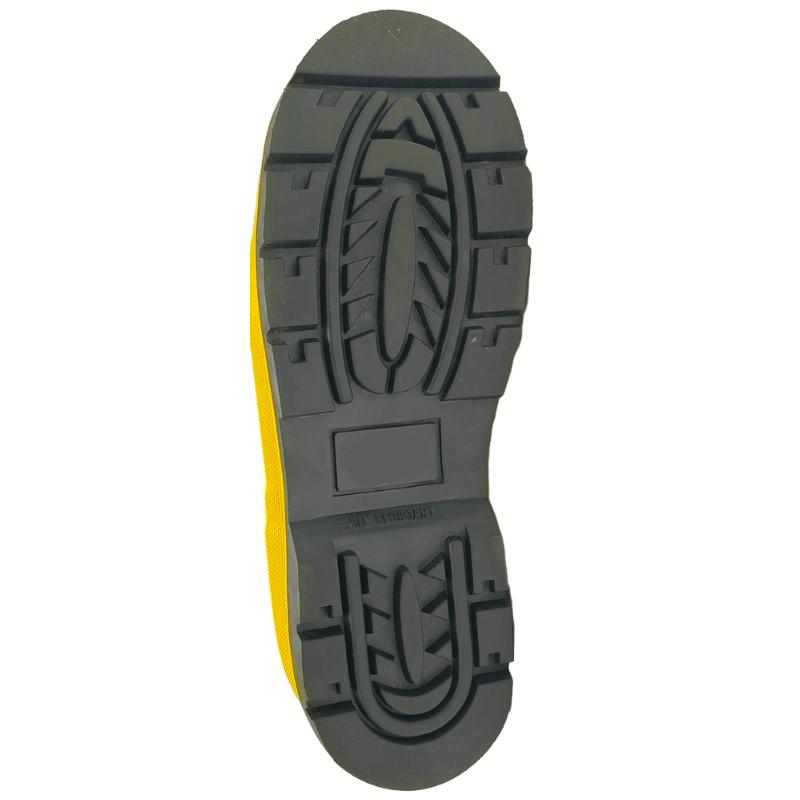
Vendor Comparison: Electrical Hazard Boots
When selecting electrical hazard (EH) footwear, discerning buyers consider several factors beyond basic compliance. The table below compares the Electrical Shock Resistance Rubber Boots SY02-9N against two hypothetical market alternatives, highlighting key differentiators that influence purchasing decisions for B2B clients.
Comparative Analysis of EH Safety Boots
This comparison highlights that while many EH boots offer basic electrical protection, the Electrical Shock Resistance Rubber Boots SY02-9N distinguishes itself with its combination of high dielectric rating, advanced non-metallic protective components for lightweight safety, and superior material durability, making it a robust and reliable choice for demanding applications without compromising on comfort or comprehensive safety features.
Customized Solutions
Recognizing that diverse industrial environments have unique challenges, Landwalk Outdoor offers customized solutions for the Electrical Shock Resistance Rubber Boots SY02-9N. While the core dielectric properties and structural integrity remain standard to ensure universal safety, customization options can be explored for specific bulk orders:
- Color and Branding: For large volume orders, boots can be produced in specific corporate colors or feature company logos, facilitating brand consistency and easier identification of workforce PPE.
- Lining Materials: Depending on extreme climate requirements, alternative lining materials offering enhanced thermal insulation for cold weather or superior breathability for hot and humid environments can be specified.
- Sole Tread Patterns: While the standard sole provides SRC-rated slip resistance, bespoke tread patterns can be developed to optimize grip on highly specialized surfaces commonly encountered by certain industries (e.g., specific chemical processing floors or highly abrasive mining environments).
- Height Adjustments: For applications requiring specific leg protection, boot shaft height can be adjusted within manufacturing limitations.
Our technical team works closely with clients to understand specific operational demands and compliance requirements, ensuring that any customization maintains the boot's critical safety certifications and performance standards. Minimum order quantities (MOQs) apply for tailored solutions, reflecting the specialized manufacturing adjustments required.
Application Case Studies
Case Study 1: Major Utility Provider, Northern Region
Client Profile: A leading public utility company responsible for power transmission and distribution across a vast northern region, employing over 5,000 field technicians.
Challenge: The client faced persistent issues with their existing electrical hazard footwear. Despite meeting basic EH standards, boots exhibited premature wear in harsh winter conditions, poor slip resistance on icy surfaces, and inadequate comfort, leading to technician complaints and potential safety lapses.
Solution: After a comprehensive evaluation, the utility company adopted the Electrical Shock Resistance Rubber Boots SY02-9N for its entire field operations team. The SY02-9N's superior dielectric strength (20kV), combined with its robust vulcanized rubber construction designed for extreme temperatures (-20°C operational), and SRC-rated slip resistance, directly addressed the identified weaknesses. Landwalk also worked with the client to implement a robust annual inspection and re-certification protocol.
Results: Over an 18-month period, the utility provider reported a 30% reduction in footwear-related incidents (including slips, punctures, and minor electrical contacts) and a significant increase in worker satisfaction. The boots’ extended service life also resulted in a 15% reduction in annual PPE procurement costs for electrical safety footwear. Feedback highlighted the enhanced comfort and unwavering electrical protection, even in severe weather.
Case Study 2: Petrochemical Plant, Gulf Coast
Client Profile: A large petrochemical processing facility on the Gulf Coast, characterized by high temperatures, exposure to various chemicals, and a pervasive risk of electrical hazards due to extensive machinery and power systems.
Challenge: The plant required EH footwear that could withstand aggressive chemical spills (mild acids, alkalis, oils), provide reliable electrical protection, and offer ergonomic support in hot, humid conditions. Previous boots often deteriorated quickly from chemical exposure, compromising safety and requiring frequent replacement.
Solution: The facility standardized on the Electrical Shock Resistance Rubber Boots SY02-9N due to its excellent chemical resistance properties integrated with its 20kV electrical hazard rating. The boot's vulcanized rubber composition proved highly resistant to common industrial solvents and oils, maintaining its structural and protective integrity.
Results: After a year of deployment, the petrochemical plant observed a 40% improvement in footwear longevity compared to previous brands, significantly reducing replacement cycles and associated costs. Crucially, there were zero reported incidents related to electrical contact or chemical penetration through footwear. Workers praised the boots for their durability and consistent protection, enhancing confidence in hazardous zones. The combination of electrical and chemical resistance proved to be a critical advantage, demonstrating energy saving through fewer replacements and improved safety protocols.
Ensuring Trust: Certifications, Standards, and Quality Assurance
Our commitment to safety and quality is paramount. The Electrical Shock Resistance Rubber Boots SY02-9N is rigorously tested and certified to meet or exceed leading international safety standards:
- ASTM F2413 EH: Certified to ASTM F2413-18 Electrical Hazard (EH) protection, indicating the outsole and heel are capable of providing secondary protection against live electrical circuits, open circuits, or shocks up to 18,000 volts at 60 Hz for 1 minute under dry conditions. Our SY02-9N specifically exceeds this with tested performance up to 20,000 volts.
- EN ISO 20345:2011 SBP SRC: This European standard certifies basic safety requirements (SB), penetration resistance (P) from the midsole, and the highest level of slip resistance (SRC) on ceramic tile with detergent and steel with glycerine.
- CE Marking: Signifies conformity with the health, safety, and environmental protection standards for products sold within the European Economic Area.
Landwalk Outdoor maintains an ISO 9001 certified quality management system, ensuring consistent product quality from raw material sourcing through manufacturing and final inspection. Our internal testing facilities conduct ongoing batch testing to verify dielectric properties, physical integrity, and adherence to published specifications. We partner with independent third-party laboratories for periodic audits and certification renewals, providing an unbiased verification of our products' authoritative safety claims.
Frequently Asked Questions (FAQ)
Q1: What does "Electrical Hazard (EH)" rated mean for the SY02-9N boots?
A1: EH-rated footwear, like the SY02-9N, is designed to reduce the risk of electrical shock by providing a secondary source of protection on substantially dry surfaces. It is manufactured to be non-conductive and minimize the flow of electricity through the foot. The SY02-9N is tested to withstand 20,000 volts for one minute, with minimal leakage current.
Q2: How often should Electrical Shock Resistance Rubber Boots SY02-9N be inspected or replaced?
A2: Regular visual inspection for cuts, punctures, or signs of wear is crucial before each use. While the general service life can be 3-5 years, depending on usage, exposure, and storage conditions, many organizations implement annual or bi-annual dielectric re-testing for boots in continuous electrical hazard environments. Any signs of damage or compromised integrity warrant immediate replacement.
Q3: Are these boots suitable for use in environments with oil and chemicals?
A3: Yes, the SY02-9N boots are constructed from a vulcanized rubber compound that provides excellent resistance to oils, mild acids, and alkalis, making them highly suitable for petrochemical, manufacturing, and general industrial environments where such exposures are common.
Q4: Can the SY02-9N boots be customized for specific corporate needs?
A4: For bulk orders, customization options such as corporate branding, specific color schemes, or tailored lining materials for extreme temperature conditions may be available. Please contact our sales team to discuss specific requirements and minimum order quantities.
Lead Time, Warranty, and Customer Support
Lead Time & Fulfillment
For standard orders of the Electrical Shock Resistance Rubber Boots SY02-9N, typical lead times range from 2-4 weeks, depending on order volume and current stock levels. Expedited shipping options are available upon request. For large volume or customized orders, lead times will be provided with the quotation, typically between 6-10 weeks, to account for specific production schedules. We maintain a robust supply chain and efficient logistics to ensure timely delivery to our B2B partners globally.
Warranty Commitments
We stand by the quality and performance of our products. The SY02-9N boots come with a 12-month limited warranty against manufacturing defects from the date of purchase. This warranty covers material and workmanship flaws under normal use conditions. It does not cover damage resulting from misuse, improper maintenance, unauthorized alterations, or normal wear and tear. Full warranty terms and conditions are available upon request.
Customer Support
Our dedicated customer support team is committed to providing exceptional service. We offer comprehensive pre-sales consultation to help you select the right products for your specific needs, as well as post-sales support for any inquiries regarding product use, maintenance, or warranty claims. Technical assistance is available via phone and email during business hours. We also provide detailed product datasheets and certification documents to assist with your compliance and safety audits. Contact us through our website at www.landwalk-outdoor.com for more information or to speak with a representative.
Conclusion
The Electrical Shock Resistance Rubber Boots SY02-9N is more than just protective footwear; it is a critical safety investment for organizations operating in electrically hazardous environments. Its meticulous manufacturing process, adherence to rigorous international standards, and advanced material science combine to deliver unparalleled electrical protection, durability, and wearer comfort. By choosing the SY02-9N, businesses can enhance their safety protocols, mitigate significant risks, and ensure the well-being of their most valuable asset – their workforce. As industries continue to evolve, the SY02-9N stands ready to meet and exceed the demands for high-performance electrical safety footwear.
References
- ASTM International. (2018). Standard Specification for Performance Requirements for Protective (Safety) Toe Cap Footwear. ASTM F2413-18.
- International Organization for Standardization. (2011). Personal protective equipment – Safety footwear. EN ISO 20345:2011.
- National Electrical Safety Code (NESC). (2023). IEEE C2-2023. Institute of Electrical and Electronics Engineers.
- Occupational Safety and Health Administration (OSHA). (2024). Personal Protective Equipment. 29 CFR 1910.136.
Latest news
-
Ultimate Guide to Choosing the Best Farmers Wellington BootsNewsApr.16,2026
-
The Ultimate Guide to Choosing the Best Professional Farming WelliesNewsApr.09,2026
-
Comprehensive Guide to Choosing the Perfect Field Wellies for Outdoor AdventuresNewsApr.07,2026
-
Choosing the Right Fit for Good Quality Wellies and Outdoor AdventuresNewsApr.04,2026
-
Choosing the Right Fit A Comprehensive Guide to Good Wellies and Outdoor FootwearNewsMar.31,2026
-
Choosing the Right Footwear A Comprehensive Guide to Good Wellington BootsNewsMar.28,2026
-
Choosing the Right Hard Wearing Wellies for Outdoor AdventuresNewsMar.26,2026