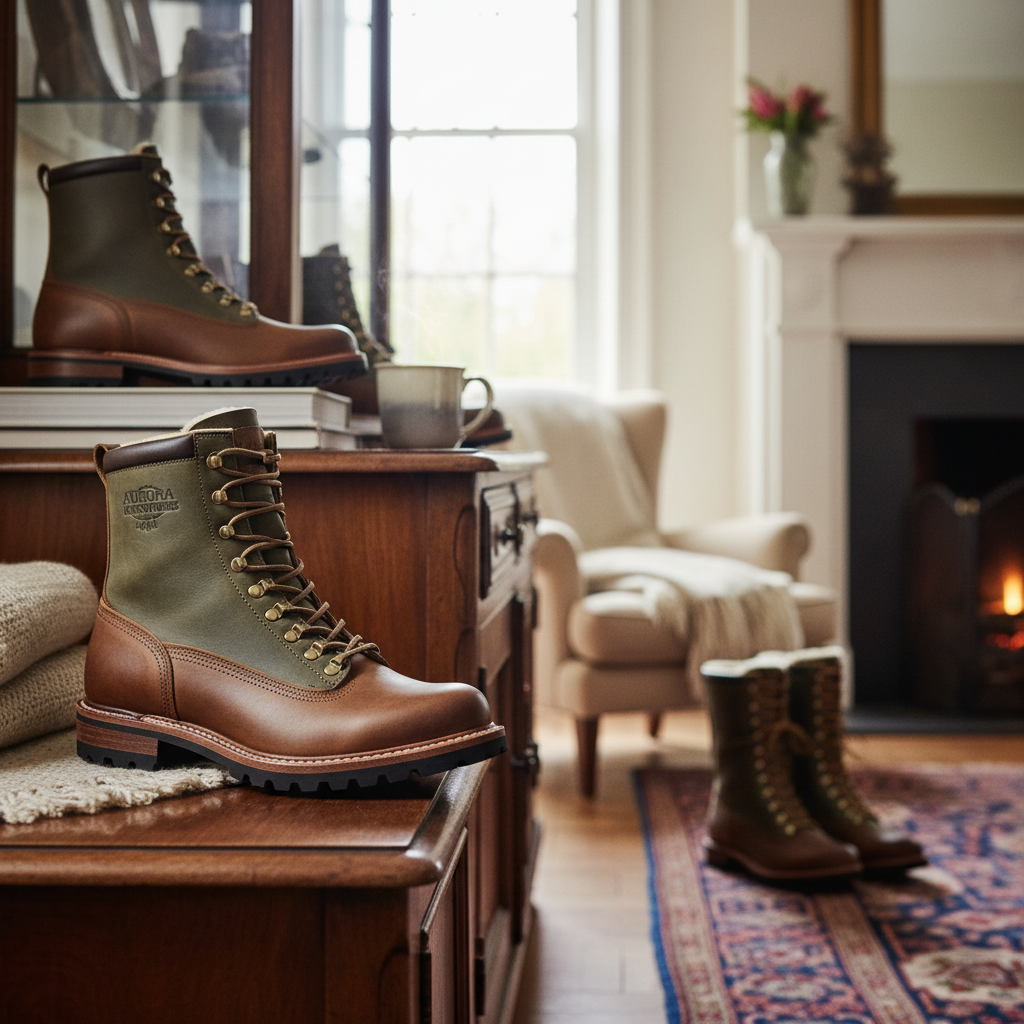
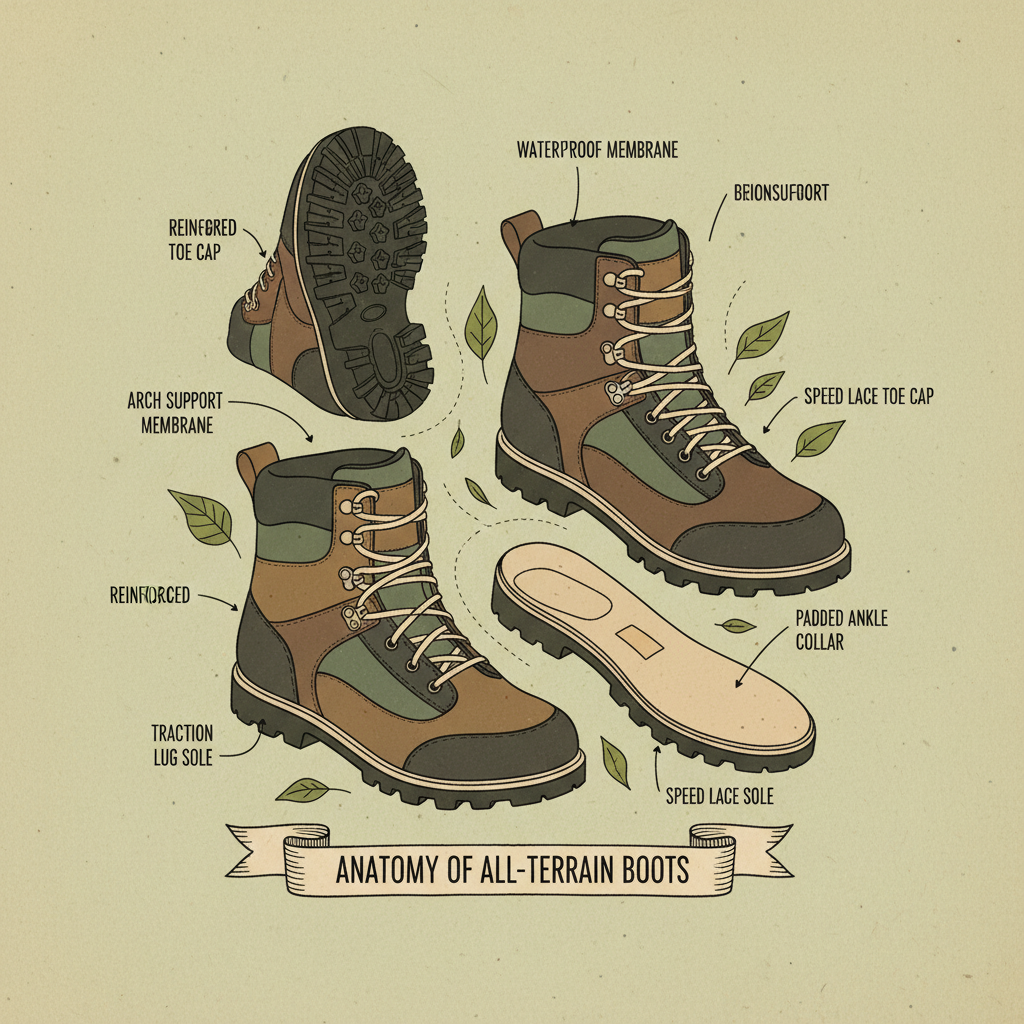
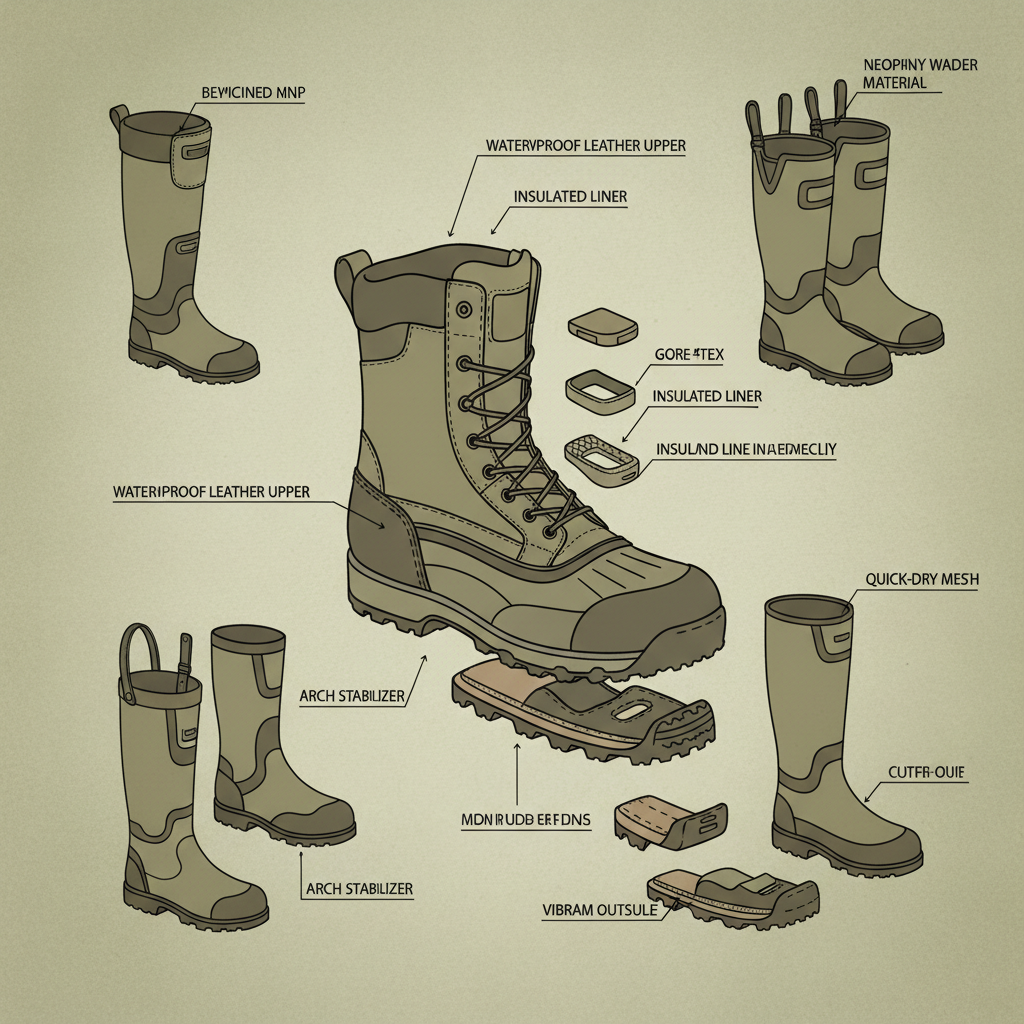
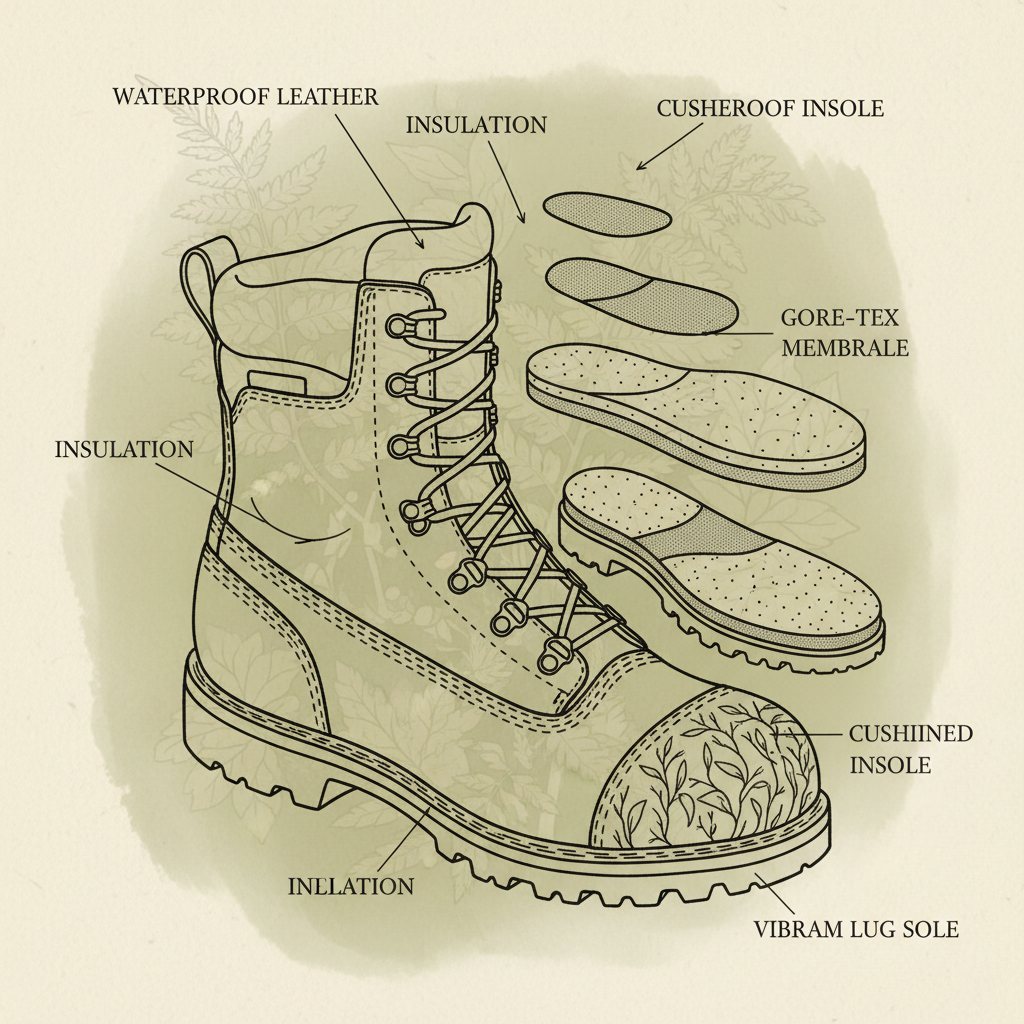
Custom made hunting boots represent a crucial intersection of specialized gear and individual needs. Traditionally, hunters relied on mass-produced boots, often compromising on fit, durability, or specific terrain requirements. However, the demand for optimized performance and comfort, particularly in challenging environments, has driven a growing market for boots tailored to the hunter's unique foot shape, hunting style, and the specific landscapes they traverse. These aren’t simply off-the-shelf boots with minor alterations; they’re constructed from the ground up, utilizing advanced materials and techniques.
The global relevance of custom made hunting boots stems from the increasing popularity of hunting as a sport and a vital resource management tool. According to the National Shooting Sports Foundation, hunting contributes billions to the U.S. economy annually, and similar trends are observed in countries like Canada, Germany, and New Zealand. This economic impact is intertwined with the need for safe and effective hunting equipment, where properly fitted boots are paramount. Data from the International Organization for Standardization (ISO) regarding protective footwear highlights the significance of customization for optimal safety and performance in demanding outdoor conditions.
The rise of custom made hunting boots addresses a significant challenge: the lack of universally suitable footwear. Mass-produced boots often fail to accommodate diverse foot shapes, leading to discomfort, blisters, and even injuries that can compromise a hunt or, in extreme situations, endanger the hunter. By offering a bespoke solution, manufacturers are mitigating these risks and empowering hunters to operate at their peak potential, ultimately contributing to more responsible and effective wildlife management practices.
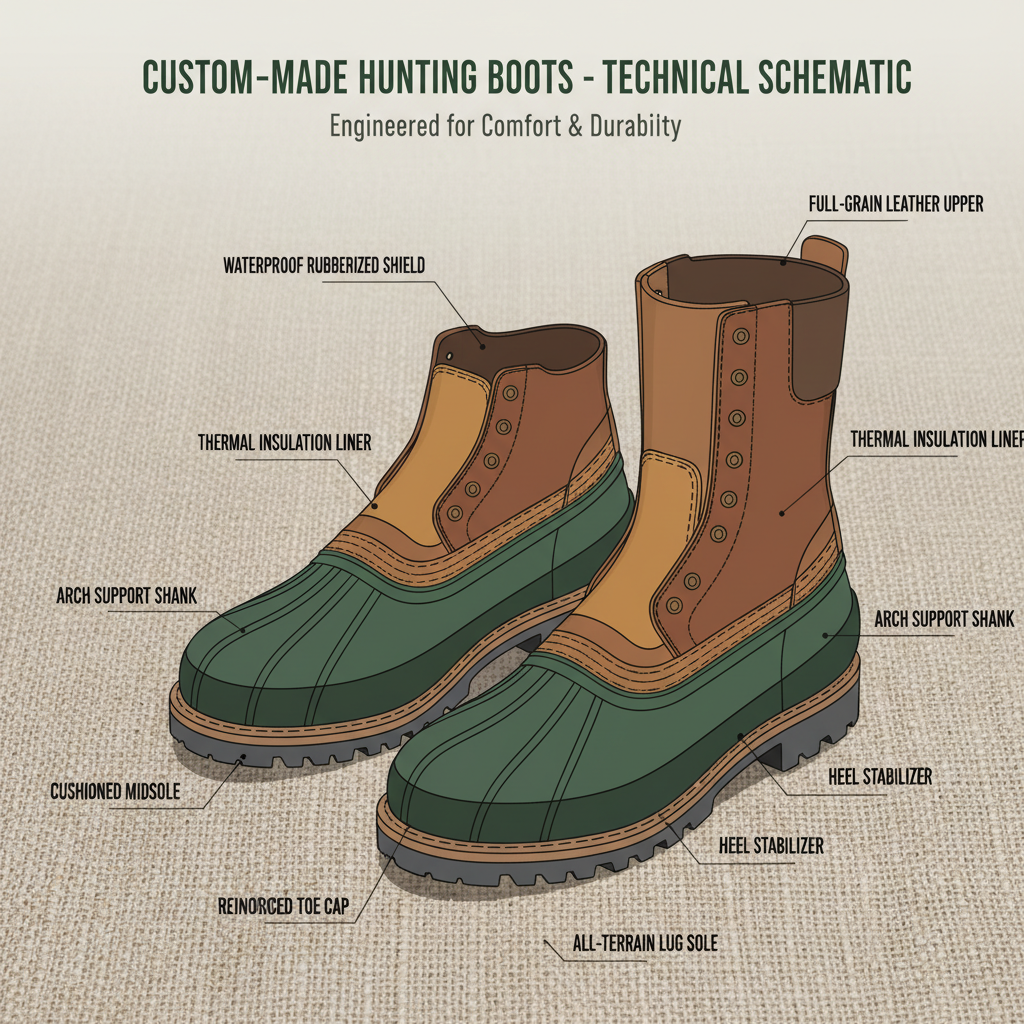
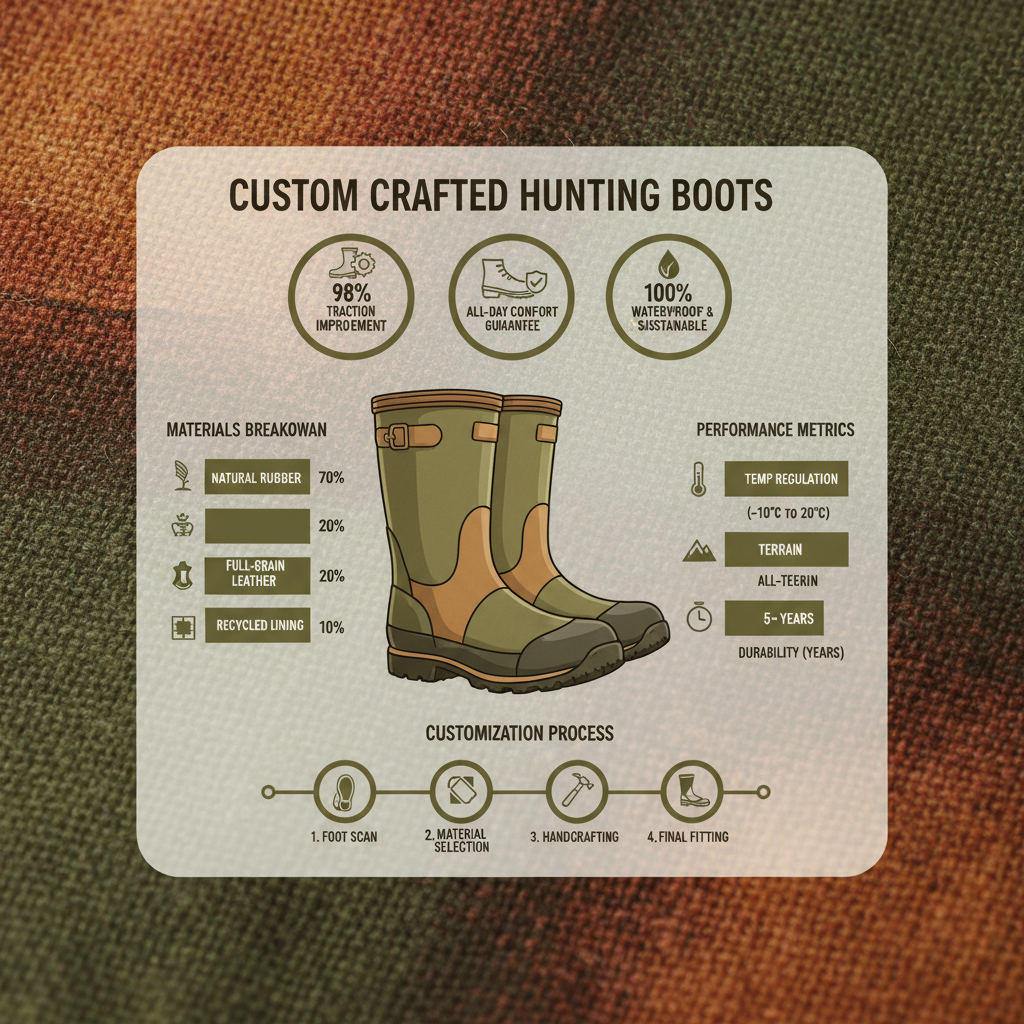
Custom made hunting boots are footwear specifically designed and constructed to match the unique anatomical characteristics of an individual’s feet. This process involves detailed measurements, consideration of hunting terrain, and selection of appropriate materials to provide optimal fit, support, and protection. Unlike mass-produced boots that cater to a generalized foot shape, custom boots prioritize individualized comfort and performance.
This concept directly connects to the modern demand for specialized outdoor equipment. As hunters pursue game in increasingly diverse and challenging landscapes, the need for footwear that can adapt to those conditions becomes paramount. Custom made hunting boots represent a shift away from a 'one-size-fits-all' approach towards a solution that maximizes efficiency, minimizes injury risk, and enhances the overall hunting experience, aligning with the growing trend of personalized outdoor gear.
Turnaround times vary depending on the bootmaker and the complexity of the design, but generally range from 8 to 16 weeks. This includes the initial foot assessment, last creation, boot construction, and final fitting. Factors like material availability and the bootmaker’s workload can also influence the timeline. It's best to plan ahead, especially if you need boots for a specific hunting season.
Custom made hunting boots are significantly more expensive than mass-produced boots, typically ranging from $800 to $3000 or more, depending on the materials, complexity, and bootmaker. However, the superior fit, durability, and long-term comfort often justify the investment for serious hunters who prioritize performance and value a personalized product.
Yes, absolutely. Custom bootmakers routinely work with hunters who use orthotics. The boot's last can be modified to accommodate the orthotics, ensuring a secure and comfortable fit. It’s crucial to provide your bootmaker with your orthotics during the initial foot assessment to ensure proper integration.
The level of customization varies among bootmakers, but generally includes options for leather type, color, stitching patterns, sole selection, and height adjustments. Some bootmakers also offer personalized embellishments, such as initials or logos. Many will also adjust the last to match your specific foot shape and biomechanics.
Researching bootmakers is crucial. Look for bootmakers with a strong reputation for craftsmanship, positive customer reviews, and a commitment to quality materials. Online forums and hunting communities can provide valuable recommendations. It’s also advisable to view examples of their work and inquire about their construction process.
Regular maintenance is essential to prolong the life of your custom boots. This includes cleaning them after each use, conditioning the leather (if applicable), and storing them in a dry, well-ventilated location. Proper care will help maintain the boots’ shape, durability, and water resistance. You can find excellent guides and products specifically designed for leather care online.
In conclusion, custom made hunting boots represent a significant advancement in outdoor footwear, offering unparalleled fit, durability, and performance. By prioritizing individualized needs and utilizing advanced materials and construction techniques, these boots empower hunters to operate at their full potential while minimizing the risk of injury and maximizing comfort. The shift towards bespoke footwear is driven by a growing awareness of the importance of proper fit and the desire for high-quality, long-lasting gear.
Looking ahead, innovations in 3D printing, sustainable materials, and wearable technology will continue to shape the future of custom made hunting boots. As these technologies mature, we can expect to see even greater levels of personalization, enhanced functionality, and reduced environmental impact. For serious hunters seeking the ultimate in footwear performance, investing in a pair of custom made boots is a decision that delivers long-term value, enhanced safety, and an unmatched hunting experience.