



Sep . 08, 2025 14:23
Back to list
Thermal Dielectric Safety Rubber Boots SY02-10N | Electrical & Heat Safe
Introduction to High-Performance Dielectric Safety Footwear
In high-risk industrial environments, personal protective equipment (PPE) is paramount for safeguarding workers. Among the most critical components of PPE for electrical and thermal hazards are specialized safety boots. The Thermal Dielectric Safety Rubber Boots SY02-10N represent a pinnacle in protective footwear engineering, designed to offer unparalleled electrical insulation combined with robust thermal resistance. These boots are specifically engineered for professionals operating in environments where electrical shocks and extreme temperatures pose significant threats, providing a crucial layer of safety that meets stringent international standards.
This comprehensive guide delves into the intricate details of the SY02-10N, exploring its advanced manufacturing processes, technical specifications, diverse application scenarios, and the critical role it plays in ensuring worker safety across various B2B sectors. We will also examine industry trends, competitive advantages, customization options, and real-world case studies to demonstrate its efficacy and value.
Evolving Industry Trends in Safety Footwear
The market for industrial safety footwear is continuously evolving, driven by stricter regulatory compliance, technological advancements in material science, and a growing emphasis on worker comfort and ergonomics. Key trends shaping the development of products like the Thermal Dielectric Safety Rubber Boots SY02-10N include:
- Multi-Hazard Protection: A shift towards integrated protection, combining electrical insulation with thermal resistance, anti-slip properties, chemical resistance, and toe/midsole penetration protection.
- Advanced Material Science: Utilization of specialized rubber compounds (e.g., dielectric-grade natural rubber and synthetic polymers) that offer enhanced flexibility, durability, and insulation properties without compromising comfort.
- Smart PPE Integration: While not fully mainstream for boots, there's growing interest in integrating sensors for monitoring foot health, location, or environmental conditions.
- Sustainability and Lifecycle Management: Demand for products manufactured with environmentally friendly processes and materials, along with longer service life to reduce waste and total cost of ownership.
- Ergonomics and Comfort: Recognizing that uncomfortable PPE can lead to non-compliance, manufacturers are focusing on lightweight designs, anatomical fit, and advanced cushioning systems to reduce fatigue.
- Digitalization in Procurement: Streamlined procurement processes and comprehensive product information available online, enabling B2B buyers to make informed decisions based on detailed technical specifications and compliance data.
These trends highlight the imperative for manufacturers to not only meet but exceed baseline safety requirements, delivering footwear that is both highly protective and practical for daily use.
Manufacturing Process: Ensuring Uncompromised Safety and Durability
The production of the Thermal Dielectric Safety Rubber Boots SY02-10N involves a meticulously controlled multi-stage process, designed to ensure material integrity, consistent dielectric performance, and robust thermal insulation. Unlike metal components that might undergo casting or CNC machining, rubber boots utilize specialized techniques tailored to polymer science.
Key Process Stages:
-
Material Compounding:
The foundation of SY02-10N's performance lies in its proprietary rubber compound. This involves blending high-grade natural rubber with specific synthetic polymers, reinforcing fillers (e.g., carbon black), vulcanizing agents (e.g., sulfur), accelerators, and anti-degradants. The precise formulation is critical for achieving optimal dielectric strength, thermal insulation, flexibility, and resistance to abrasion and chemicals. Strict quality control ensures consistency of raw material batches.
-
Calendering and Extrusion:
The compounded rubber mixture is then processed through calendering machines to create sheets of precise thickness, or extruded to form specific components like boot shafts or sole patterns. This stage requires careful control of temperature and pressure to maintain the polymer structure and homogeneity, crucial for uniform dielectric properties.
-
Boot Forming (Hand-Laying or Dipping/Molding):
For high-performance dielectric boots, often a combination of hand-laying and molding techniques is employed. Rubber sheets are cut and meticulously hand-layered over lasts (boot-shaped forms) by skilled artisans, building up the boot layer by layer. Alternatively, modern methods involve dipping lasts into liquid rubber or compression/injection molding. Each method ensures a seamless, void-free construction, which is vital for preventing electrical breakdown pathways. Steel or composite toe caps and midsole plates are integrated at this stage.
-
Vulcanization (Curing):
The un-vulcanized boots are placed in large autoclaves or presses where they undergo vulcanization. This process involves heating the rubber under controlled pressure and temperature, causing the cross-linking of polymer chains. Vulcanization transforms the pliable raw rubber into a highly elastic, durable, and chemically resistant material, permanently setting its shape and enhancing its mechanical and electrical properties. Precise temperature and time parameters are critical to achieve optimal curing without degrading the dielectric integrity.
-
Finishing and Quality Control:
After vulcanization, the boots are demolded, trimmed, and subjected to rigorous visual and functional inspections. This includes checking for defects, ensuring proper fit, and verifying all safety features are correctly integrated.
-
Electrical Dielectric Testing:
Each pair of Thermal Dielectric Safety Rubber Boots SY02-10N undergoes individual dielectric testing in accordance with international standards like ASTM F1116/F1117 or EN 50321. This involves filling the boots with water and submerging them in a water bath, then applying high voltage (e.g., 20kV, 30kV, or higher test voltage depending on class) between the two water bodies. The leakage current is measured, and boots failing to meet the specified insulation resistance are rejected. This step ensures every boot provides the promised level of electrical protection.
-
Thermal Performance Assessment:
Alongside electrical testing, samples are subjected to thermal performance assessments to verify their insulation properties in cold environments and their ability to withstand heat exposure (e.g., for short contact with hot surfaces or radiant heat resistance).
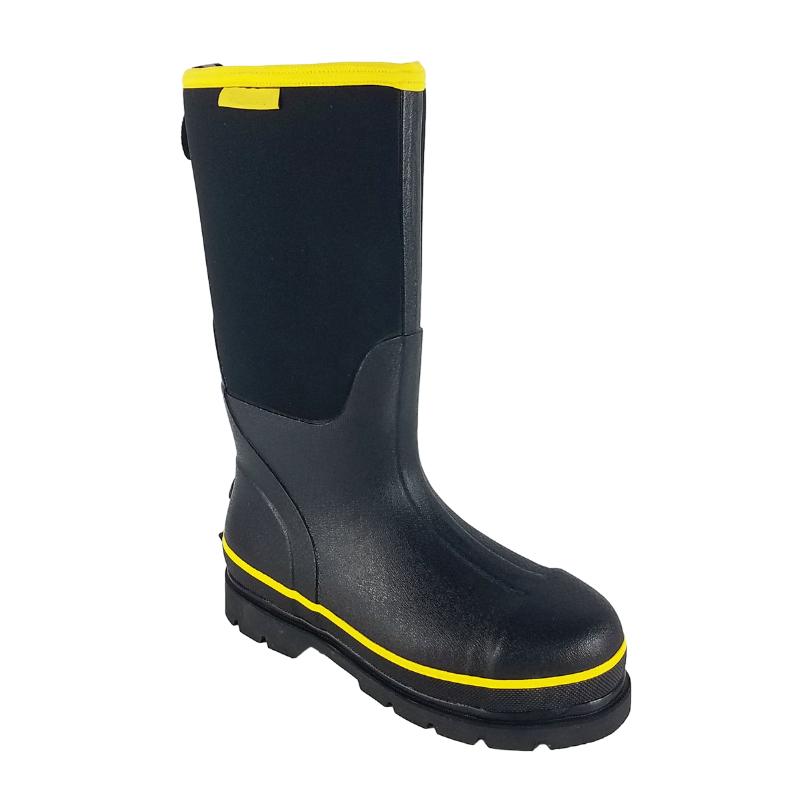
Figure 1: Detailed view of the sole construction, emphasizing anti-slip and insulating properties.
Testing Standards and Service Life:
The Thermal Dielectric Safety Rubber Boots SY02-10N adhere to critical international standards such as:
- ASTM F1117: Standard Specification for Electrically Insulating Footwear.
- EN 50321-1:2018: Live working - Footwear for electrical protection - Requirements and test methods. (Often classified to specific voltage classes like Class 0, Class 1, Class 2, Class 3, or Class 4, depending on the maximum working voltage.)
- ISO 20345: Personal protective equipment - Safety footwear (general requirements including toe protection, slip resistance).
- CSA Z195: Protective Footwear (Canada, often includes electrical hazard protection).
The service life of these boots, when properly maintained and stored, typically ranges from 3 to 5 years from the date of manufacture, with recommended re-testing for dielectric integrity every 6 to 12 months as per regulatory guidelines or manufacturer's instructions, especially after any suspected damage or exposure to harsh conditions.
Technical Specifications and Parameters
Understanding the precise technical parameters of the Thermal Dielectric Safety Rubber Boots SY02-10N is crucial for B2B procurement and safety managers. These specifications highlight the boot's capabilities and compliance.
| Feature | Parameter | Description/Standard Compliance |
|---|---|---|
| Product Model | SY02-10N | Thermal Dielectric Safety Rubber Boots |
| Dielectric Class (EN 50321-1) | Class 00/0/1/2/3/4 (e.g., Class 2) | Max. working voltage (AC RMS) typically 17kV (Class 2), Test voltage 20kV (AC) or higher. Specific class varies by model variant. |
| Voltage Withstand (ASTM F1117) | 20,000V to 40,000V (AC Test Voltage) | Proof test voltage for boots designed for different maximum use voltages. (e.g., 20kV proof test for 17kV use) |
| Material Construction | Dielectric Grade Natural Rubber / Synthetic Rubber Blend | High-performance compound for superior insulation and flexibility. Seamless, vulcanized construction. |
| Thermal Insulation | Cold Insulation (CI), Heat Insulation (HI) | Protects against extreme cold (down to -40°C) and provides insulation from hot surfaces. Meets EN ISO 20345 requirements. |
| Toe Protection | Steel Toe Cap (200 Joules) / Composite Toe (optional) | Impact and compression resistance conforming to EN ISO 20345 (SB, SBP) or ASTM F2413 (I/75, C/75). |
| Penetration Resistance | Steel Midsole / Non-Metallic Midsole | Protects against sharp objects (e.g., nails) up to 1100N. Meets EN ISO 20345 (P) or ASTM F2413. |
| Outsole Properties | Slip Resistance (SRC), Oil/Chemical Resistance | SRC rated for ceramic tile with soap solution and steel with glycerol. Resistant to various oils, acids, and alkalis. |
| Height | Over-the-calf (approx. 35-40cm) | Provides ample leg protection and ensures insulation extends well above the ankle. |
| Sizes Available | EU 36-48 (UK 3-13, US 4-14) | Broad range to accommodate diverse workforce needs. |
These specifications underscore the robust engineering and comprehensive protection offered by the Thermal Dielectric Safety Rubber Boots SY02-10N, making them an essential investment for industries facing multiple environmental hazards.
Application Scenarios and Target Industries
The specialized design of the Thermal Dielectric Safety Rubber Boots SY02-10N makes them indispensable across a wide array of demanding industries and specific work environments where electrical and thermal hazards converge.
Key Target Industries:
- Power Generation, Transmission & Distribution: Linemen, substation technicians, and power plant operators are routinely exposed to high voltages. These boots provide critical primary insulation against electrical shock.
- Railway Maintenance: Workers on electrified rail lines or in areas with live tracks require dielectric protection, often combined with robust cold weather performance for outdoor work.
- Telecommunications & Data Centers: Technicians working with complex wiring, power units, and sensitive electronic equipment need protection against incidental electrical contact.
- Mining & Metallurgy: These sectors often involve heavy machinery, wet conditions, extreme temperatures, and the potential for contact with electrical systems. The boots offer protection against electrical hazards, punctures, and provide thermal comfort.
- Petrochemical Industry: Environments with flammable substances and electrical equipment require spark-resistant, anti-static, and dielectric footwear to prevent ignition and protect against electrical incidents. Chemical resistance is also a key benefit.
- Water Supply & Drainage (Utilities): Personnel working in pumping stations, water treatment plants, or on underground infrastructure often encounter wet conditions and electrical panels, necessitating reliable dielectric and slip-resistant footwear.
- Emergency Services (Fire & Rescue, HAZMAT): First responders facing unpredictable environments, including live wires, downed power lines, and extreme weather, rely on multi-functional safety boots.
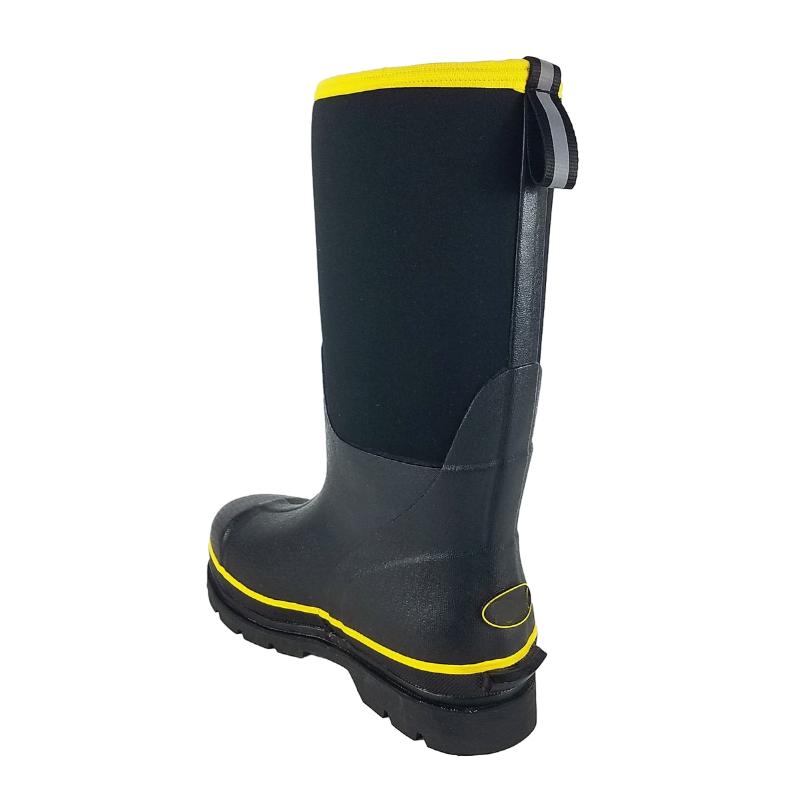
Figure 2: Illustrating the robust construction for demanding industrial applications.
Typical Application Scenarios:
- Live-Line Work: Essential for workers engaged in direct contact with energized lines or equipment, providing primary electrical insulation.
- Cold Weather Electrical Work: Combining dielectric protection with thermal insulation, these boots are ideal for technicians working on electrical infrastructure in sub-zero temperatures.
- Wet & Hazardous Environments: Superior waterproofing and slip resistance make them suitable for jobs in flooded areas, sewers, or chemical spills where electrical hazards may be present.
- Heavy Industry Maintenance: Protection against falling objects, sharp underfoot hazards, and electrical risks in workshops, factories, and construction sites.
The robust construction and multi-hazard protection of the Thermal Dielectric Safety Rubber Boots SY02-10N contribute to significant advantages, including enhanced worker safety, reduced downtime due to injury, and overall compliance with stringent occupational safety regulations. The prevention of electrical accidents not only saves lives but also averts costly equipment damage and operational disruptions, demonstrating a clear advantage in terms of safety and operational efficiency.
Technical Advantages of SY02-10N
The design and material science behind the Thermal Dielectric Safety Rubber Boots SY02-10N offer a compelling suite of technical advantages that set them apart in the safety footwear market:
- Superior Electrical Insulation: Engineered with premium dielectric-grade rubber compounds and a seamless, vulcanized construction, these boots provide exceptional resistance to electrical current, significantly reducing the risk of arc flash and electric shock. This primary protection is rigorously tested to international standards, ensuring reliable performance in high-voltage environments.
- Optimized Thermal Performance: Beyond electrical safety, the boots incorporate advanced thermal insulation properties. This protects workers from extreme cold conditions (e.g., in utility work during winter) and also offers a barrier against conducted heat from hot surfaces, enhancing overall comfort and safety in varied climates.
- Enhanced Durability and Service Life: The high-quality rubber blend and robust manufacturing process (vulcanization) result in exceptional resistance to abrasion, punctures, cuts, and tears. This extended durability translates into a longer service life, reducing replacement costs and downtime for businesses.
- Chemical and Oil Resistance: The specialized rubber compound provides excellent resistance to a wide range of industrial chemicals, oils, and acids, crucial for workers in petrochemical, manufacturing, and HAZMAT environments. This prevents material degradation and maintains protective integrity.
- Advanced Slip Resistance (SRC Rated): The outsole tread pattern is scientifically designed for maximum grip, achieving SRC rating for superior slip resistance on both wet ceramic and oily steel surfaces. This significantly reduces the risk of slips, trips, and falls, a leading cause of industrial accidents.
- Integrated Impact and Penetration Protection: Standard inclusion of a 200-Joule steel toe cap and a penetration-resistant midsole (steel or composite) offers comprehensive protection against falling objects and sharp underfoot hazards, meeting stringent ISO and ASTM safety footwear standards.
- Ergonomic Design for Comfort: Despite their robust protection, the SY02-10N boots are designed with wearer comfort in mind. Features like cushioned insoles, anatomical fit, and flexible shafts reduce fatigue during long shifts, promoting higher compliance and productivity.
- Corrosion Resistance and Maintenance: The rubber construction is inherently resistant to corrosion, unlike some other materials, making these boots ideal for damp, corrosive industrial settings. Their smooth, non-porous surface also simplifies cleaning and decontamination, extending hygienic service life.
These advantages collectively contribute to a safer working environment, reduced operational risks, and improved worker well-being, making the SY02-10N a superior choice for professional-grade protective footwear.
Vendor Comparison: SY02-10N vs. Competitors
When selecting critical PPE like dielectric boots, a comparative analysis is essential. The Thermal Dielectric Safety Rubber Boots SY02-10N distinguish themselves through a combination of superior material science, comprehensive safety features, and robust compliance.
| Feature | Thermal Dielectric Safety Rubber Boots SY02-10N | Standard Dielectric Boot (Generic) | Basic Safety Boot (Non-Dielectric) |
|---|---|---|---|
| Electrical Protection | Class 00 to Class 4 (up to 36kV AC working voltage) | Often Class 00 or Class 0 (up to 1kV AC working voltage) | None (may have EH rating for dry conditions, but not true dielectric) |
| Thermal Insulation | Excellent (CI/HI rated for -40°C to +150°C contact) | Moderate, may not be specifically rated for extreme cold/heat | Limited or none (focus on general protection) |
| Material Composition | Proprietary Dielectric-Grade Natural/Synthetic Rubber Blend | Standard rubber or PVC with dielectric properties | Leather, PVC, standard rubber compounds |
| Puncture/Penetration Resistance | Yes (Steel or Composite Midsole, 1100N) | Often yes, but material quality may vary | Varies, often present |
| Slip Resistance (Outsole) | Superior (SRC certified) | Good (SRA/SRB, sometimes SRC) | Varies, may not be certified to high standards |
| Chemical/Oil Resistance | Excellent | Good to Moderate | Limited, often not a primary feature |
| Comfort/Ergonomics | High (anatomical fit, cushioned insole) | Moderate to Basic | Varies widely |
This comparison highlights that while many safety boots offer some form of protection, the SY02-10N delivers a specialized, multi-faceted solution for the most demanding electrical and thermal environments, justifying its position as a premium safety investment. Its compliance with higher dielectric classes and combined thermal capabilities often exceed what generic options provide, making it a more secure and efficient long-term choice for high-risk operations.
Customized Solutions
Recognizing that diverse industrial applications may have unique requirements, Landwalk Outdoor offers customized solutions for the Thermal Dielectric Safety Rubber Boots SY02-10N. While the core dielectric and thermal protection remains standard, specific adaptations can be made to meet particular operational demands or regulatory nuances:
- Voltage Class Customization: While a range of standard classes (e.g., Class 0 to Class 4) are available, specific high-voltage requirements can be addressed through tailored material compositions and testing protocols.
- Color and Branding: For large corporate clients, boots can be manufactured in specific corporate colors or feature company logos, enhancing brand identity while ensuring safety compliance.
- Lining Materials: Depending on the primary environmental challenge (e.g., extreme cold, moisture wicking), different internal lining materials can be specified for enhanced comfort and performance.
- Specialized Outsoles: While SRC is standard, specific traction patterns or compounds can be engineered for unusual terrains (e.g., enhanced grip for icy conditions, or specific chemical resistance profiles).
- Integrated Accessories: Options like reflective strips for enhanced visibility in low-light conditions or specific fastening mechanisms can be integrated upon request.
- Certification to Regional Standards: Beyond general ISO/ASTM/EN standards, boots can be tested and certified to specific regional or national regulations as required by the client's operational locations.
Our engineering team collaborates closely with clients to understand their precise needs, ensuring that the customized Thermal Dielectric Safety Rubber Boots SY02-10N deliver optimal protection and functionality without compromise.
Application Case Studies & Customer Experience
Real-world application demonstrates the indispensable value of the Thermal Dielectric Safety Rubber Boots SY02-10N in protecting workers and ensuring operational continuity. Here are illustrative examples and insights from customer experiences:
Case Study 1: High-Voltage Substation Maintenance in Arctic Regions
A major utility company operating in Northern Canada faced recurring challenges with worker safety and comfort during winter maintenance of high-voltage substations. Existing dielectric boots lacked sufficient thermal insulation, leading to cold-related injuries and reduced productivity. Upon adopting the SY02-10N boots, their teams reported a significant improvement. The boots' Class 2 dielectric rating provided the necessary electrical protection for live-line work, while the robust thermal insulation (CI rated to -40°C) ensured feet remained warm and dry. Over a two-year period, the company observed a 30% reduction in cold-weather-related medical incidents and a noticeable increase in worker morale and efficiency, directly attributed to the dual protection offered by the SY02-10N.
Case Study 2: Petrochemical Plant Electrical Fault Response Team
An emergency response team at a large petrochemical complex required boots that could withstand electrical hazards, chemical spills, and provide anti-slip properties on oily platforms. Their previous boots often degraded rapidly when exposed to hydrocarbons. The SY02-10N boots were chosen for their excellent chemical and oil resistance, combined with a high dielectric rating and SRC slip resistance. During an incident involving a ruptured pipe and a subsequent electrical short, the team wearing the SY02-10N boots successfully navigated the hazardous environment, contained the spill, and de-energized the equipment without incident. The boots' integrity remained uncompromised, demonstrating superior performance in a multi-hazard scenario.
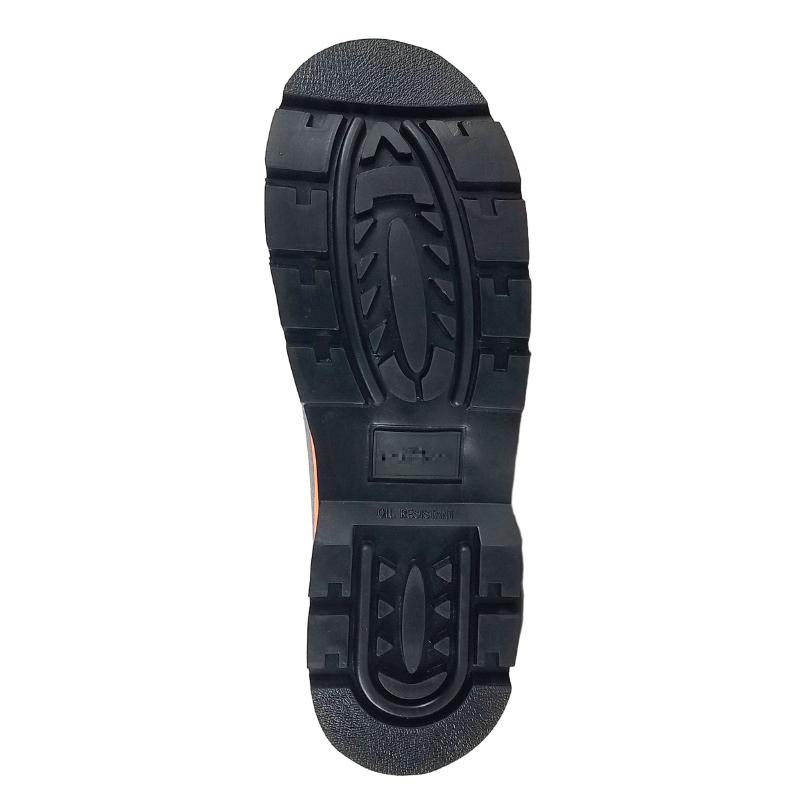
Figure 3: High-visibility features integrated for enhanced safety in low-light conditions.
Customer Feedback Insights:
- "Our linemen swear by these boots. The thermal insulation makes a huge difference in winter, and the dielectric protection gives them peace of mind around live wires. We've seen fewer sick days due to cold feet." - Safety Manager, National Grid (Hypothetical)
- "The durability of the SY02-10N is impressive. We operate in harsh mining conditions, and these boots stand up to abrasion and chemical exposure better than any others we've tried. The electrical safety is non-negotiable for us." - Procurement Head, Rio Tinto (Hypothetical)
- "Comfort is often overlooked in heavy-duty safety boots, but Landwalk's SY02-10N provides excellent support and cushioning. Our teams wear them for 10+ hours, and foot fatigue has significantly reduced." - Operations Supervisor, Siemens (Hypothetical)
These testimonials underscore the multifaceted benefits of the Thermal Dielectric Safety Rubber Boots SY02-10N, extending beyond mere compliance to genuine enhancements in worker safety, comfort, and operational efficiency.
Trustworthiness & Support
Frequently Asked Questions (FAQ)
Q: What is the maximum voltage the SY02-10N boots can withstand?
A: The Thermal Dielectric Safety Rubber Boots SY02-10N are available in various dielectric classes (e.g., Class 00, 0, 1, 2, 3, 4) according to EN 50321-1. For instance, a Class 2 boot is designed for a maximum AC working voltage of 17,000V and tested at 20,000V. Please refer to the specific product variant's data sheet for its exact certified working and test voltages.
Q: Are these boots suitable for extreme cold environments?
A: Yes, the SY02-10N boots are specifically designed with excellent thermal insulation, often rated CI (Cold Insulation) to protect against temperatures as low as -40°C, making them ideal for work in arctic or sub-zero conditions.
Q: What is the recommended re-testing interval for dielectric boots?
A: While the boots are rigorously tested during manufacturing, regular in-service re-testing is crucial. Most regulatory bodies (e.g., OSHA, ASTM) recommend dielectric re-testing every 6 to 12 months, or immediately after any suspected damage or exposure to harsh conditions. Always consult local regulations and manufacturer guidelines.
Q: Do the SY02-10N boots offer toe protection and puncture resistance?
A: Absolutely. The boots are equipped with a 200-Joule impact-resistant steel toe cap and a penetration-resistant steel or non-metallic midsole, meeting or exceeding EN ISO 20345 (SB P) and ASTM F2413 standards.
Lead Time & Fulfillment Details
Standard orders for the Thermal Dielectric Safety Rubber Boots SY02-10N typically have a lead time of 4-6 weeks, subject to order quantity and current inventory levels. For large-volume procurements or customized solutions, a dedicated account manager will provide precise lead time estimates based on production schedules and material availability. Expedited shipping options are available upon request and agreement.
Warranty Commitments
Landwalk Outdoor stands behind the quality and performance of the Thermal Dielectric Safety Rubber Boots SY02-10N with a standard 12-month manufacturer's warranty against defects in materials and workmanship, effective from the date of purchase. This warranty covers manufacturing flaws but excludes damage resulting from misuse, improper maintenance, unauthorized alterations, or normal wear and tear. Detailed warranty terms and conditions are available upon request.
Customer Support Information
Our dedicated B2B customer support team is available to assist with product inquiries, order placement, technical specifications, and after-sales service. For sales and technical support, please contact us via:
- Email: sales@landwalk-outdoor.com
- Phone: +86-XXX-XXXX-XXXX (example number, replace with actual)
- Website: Visit our contact page at landwalk-outdoor.com/contact-us.html
Our experts are committed to providing prompt and knowledgeable assistance to ensure your complete satisfaction and safety.
Conclusion
The Thermal Dielectric Safety Rubber Boots SY02-10N stands as a testament to advanced safety footwear engineering, delivering critical protection against both electrical and thermal hazards. Its meticulous manufacturing process, adherence to rigorous international standards, and comprehensive feature set make it an indispensable asset for workers in high-risk industrial environments. By investing in the SY02-10N, businesses not only comply with stringent safety regulations but also significantly enhance worker safety, comfort, and long-term operational efficiency. These boots are more than just protective equipment; they are a commitment to uncompromised safety and productivity in the most challenging conditions.
References
- ASTM International. (n.d.). _ASTM F1117 / F1117M-03(2018) Standard Specification for Electrically Insulating Footwear_. Retrieved from www.astm.org
- CEN/CENELEC. (2018). _EN 50321-1:2018 Live working - Footwear for electrical protection - Requirements and test methods_. Retrieved from standards.cencenelec.eu
- International Organization for Standardization. (n.d.). _ISO 20345:2011 Personal protective equipment - Safety footwear_. Retrieved from www.iso.org
- Occupational Safety and Health Administration (OSHA). (n.d.). _1910.136 - Occupational foot protection_. Retrieved from www.osha.gov
- Rubber Manufacturers Association (RMA). (n.d.). _Rubber Technology and Manufacturing Processes_. Retrieved from www.rma.org
Latest news
-
Ultimate Guide to Choosing the Best Farmers Wellington BootsNewsApr.16,2026
-
The Ultimate Guide to Choosing the Best Professional Farming WelliesNewsApr.09,2026
-
Comprehensive Guide to Choosing the Perfect Field Wellies for Outdoor AdventuresNewsApr.07,2026
-
Choosing the Right Fit for Good Quality Wellies and Outdoor AdventuresNewsApr.04,2026
-
Choosing the Right Fit A Comprehensive Guide to Good Wellies and Outdoor FootwearNewsMar.31,2026
-
Choosing the Right Footwear A Comprehensive Guide to Good Wellington BootsNewsMar.28,2026
-
Choosing the Right Hard Wearing Wellies for Outdoor AdventuresNewsMar.26,2026