


When professional environments demand more than standard waterproof footwear, the shift toward custom wellies becomes a strategic necessity rather than a luxury. For industries ranging from industrial agriculture to specialized outdoor operations, the gap between a generic boot and a purpose-built solution often determines the level of operational safety and worker comfort.
Selecting the right waterproof footwear involves balancing material science—such as the integration of neoprene for thermal insulation—with the physical demands of the terrain. Whether the goal is enhancing grip on slippery surfaces or ensuring total waterproof integrity in deep mud, customization allows for the optimization of these specific performance variables.
This guide explores the technical architecture and procurement logic behind high-performance rubber boots, helping buyers navigate the trade-offs between durability, flexibility, and environmental protection to secure footwear that fits the specific demands of their workforce.

Defining the Technical Scope of Custom Waterproof Footwear

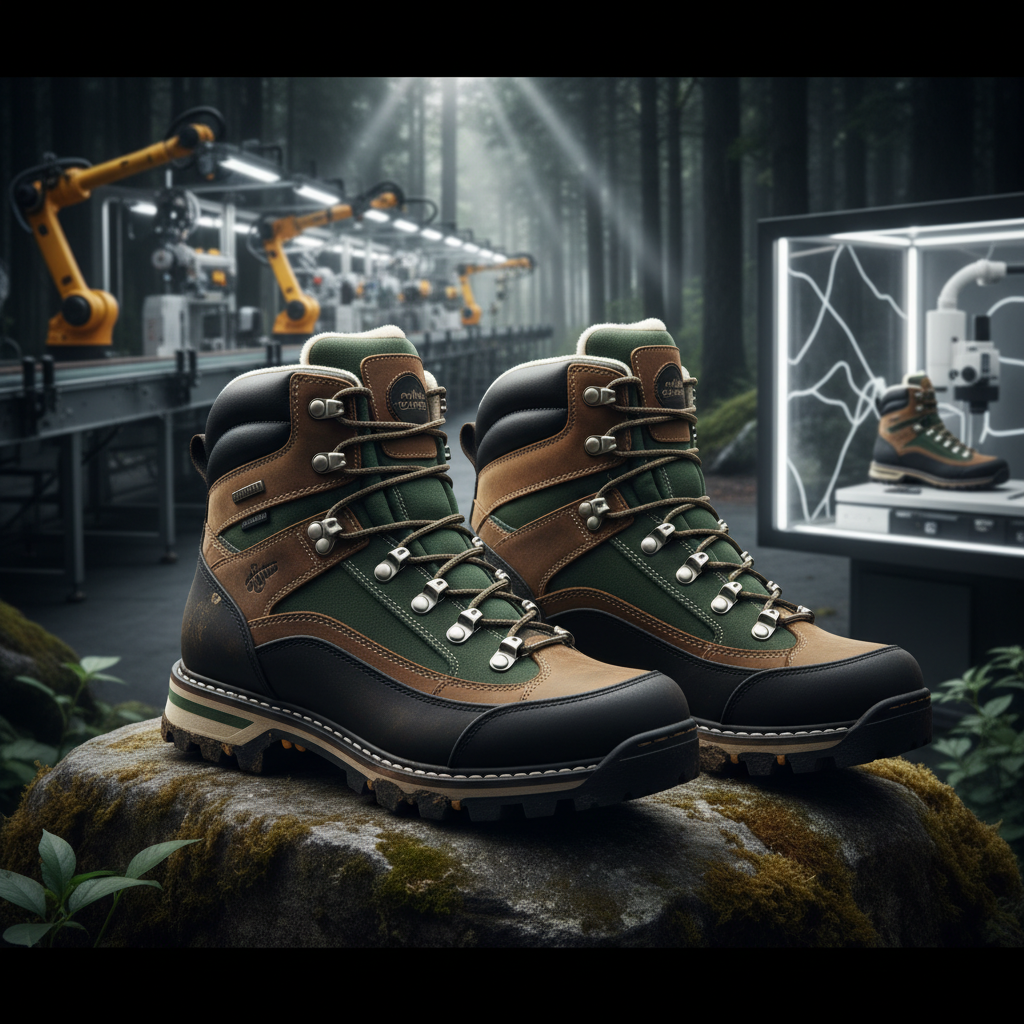
Custom wellies are not merely rain boots with added logos; they represent a systematic approach to footwear engineering where the boot's geometry, material composition, and sole architecture are tailored to specific environmental stressors. In the context of professional rubber boot manufacturing, this means adjusting the height of the shaft and the density of the rubber to match the wearer's specific task.
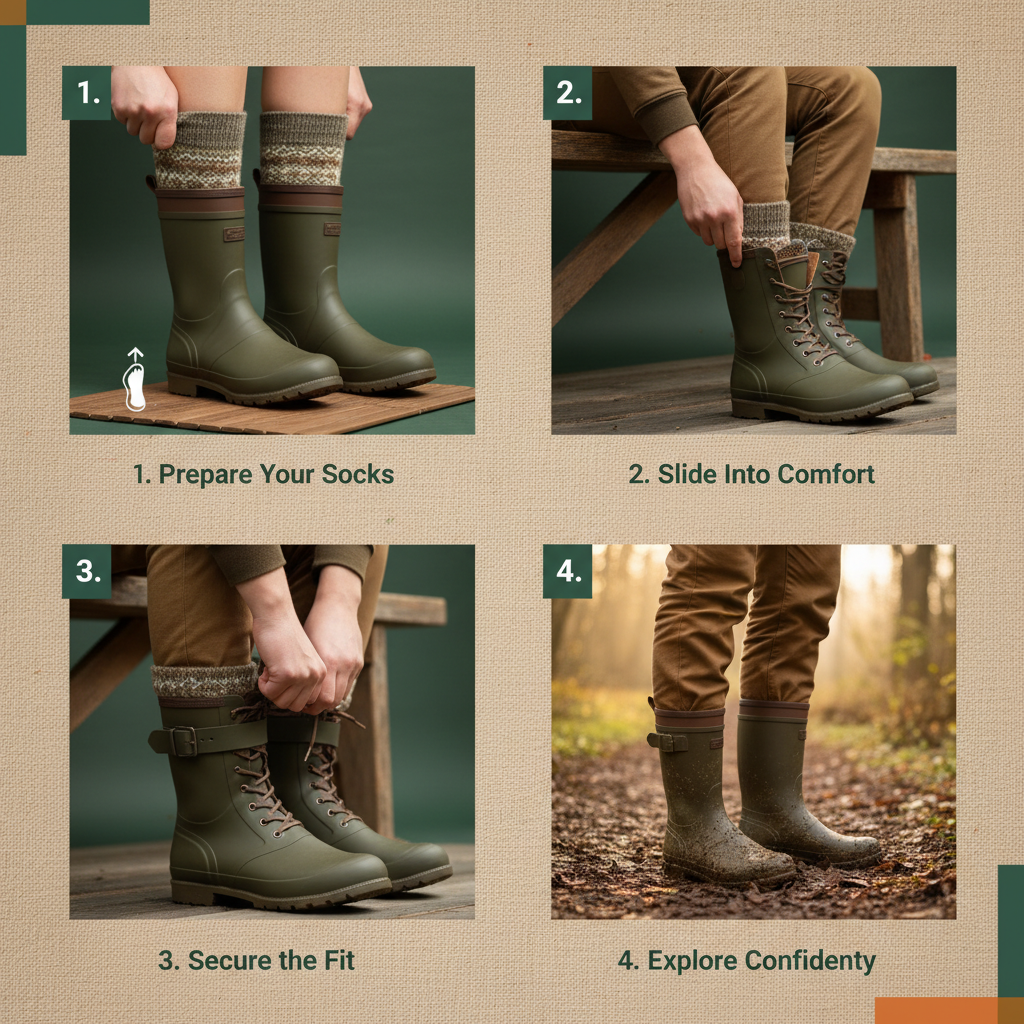
For instance, a boot designed for fishing may prioritize a higher shaft and specific wading capabilities, whereas a utility boot for gardening or breeding focuses on flexibility and ease of removal via pull-on tabs. The core objective is to eliminate the "one size fits all" failure point, where boots are either too rigid for comfort or too soft for long-term durability.
Understanding this scope requires a look at the intersection of textile manufacturing and rubber molding. By integrating components like removable insoles and specialized linings, manufacturers can create a product that provides not just water resistance, but a comprehensive thermal and ergonomic environment for the foot.
Critical Material Components for Maximum Field Performance
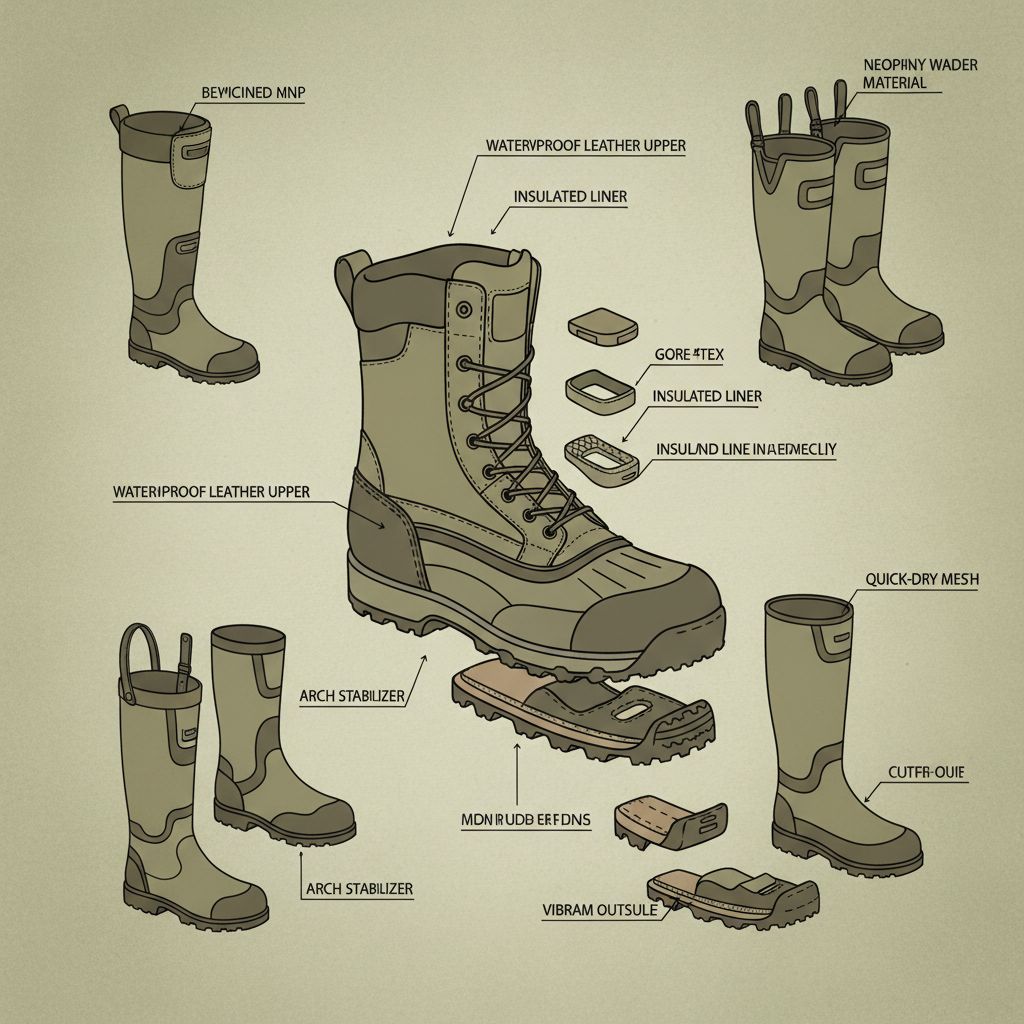
The effectiveness of a professional waterproof boot depends heavily on the synergy between its outer shell and internal lining. High-grade rubber provides the primary waterproof barrier, but the addition of 3.5mm neoprene transforms a simple boot into a cold-insulation tool, trapping air to maintain foot warmth in freezing conditions.
Beyond the lining, the outsole architecture is critical. A molded rubber sole is essential for non-slip performance, providing the necessary traction to prevent accidents on oily or muddy terrains. The durability of this rubber prevents rapid wear and tear, extending the lifecycle of the boot in abrasive environments.
Finally, the inclusion of removable and comfortable insoles allows for personalized orthopedic support, which is vital for workers spending 8-12 hours on their feet. This combination of flexible neoprene, durable rubber, and adaptive insoles ensures that the footwear remains functional across varying temperature gradients.
Operational Applications across Specialized Industrial Environments
The versatility of specialized rubber boots allows them to be deployed across diverse high-moisture sectors. In the agricultural sector, specifically for breeding and livestock management, the boots must withstand organic acids and constant exposure to slurry while remaining easy to sanitize.
For outdoor enthusiasts and professionals in hunting and fishing, the requirements shift toward stealth and thermal retention. Here, army camouflage patterns are integrated not just for aesthetics, but for operational utility, while the neoprene lining prevents hypothermia during prolonged stationary periods in cold water.
In utility and safety roles, the focus moves toward impact resistance and chemical barriers. Safety wellies are engineered to provide a higher level of toe and sole protection, ensuring that the waterproof nature of the boot does not compromise the physical safety of the wearer in hazardous work zones.
Analyzing Performance Metrics for Neoprene-Lined Solutions
When comparing standard rubber boots to custom neoprene-lined versions, the most significant divergence occurs in thermal retention and user fatigue. Standard PVC or thin rubber boots often fail to provide insulation, leading to rapid heat loss through conduction when the exterior surface is cold.
Data indicates that the 3.5mm neoprene layer provides a substantial buffer against external temperature drops, significantly increasing the "comfort window" for outdoor activities like hiking, camping, and professional field work. This allows for consistent performance even in sub-zero ambient temperatures.
custom wellies Performance Metrics
As shown in the metrics, the integration of custom specifications—such as optimized sole grip and thermal linings—leads to a measurable increase in operational efficiency and a reduction in footwear-related downtime for the end-user.
Strategic Procurement Factors for Large-Scale Boot Orders
Procuring footwear for a professional workforce requires an evaluation of total cost of ownership rather than just the unit price. Key indicators include the expected lifespan of the rubber under specific chemical exposures and the frequency of replacement needed for the inner lining.
Buyers should assess the manufacturer's production capacity and history; for instance, a facility with decades of experience and a large-scale production area (such as 50,000 square meters) is more likely to maintain consistency across a 3-million-pair annual output.
Furthermore, ensuring a wide size range (e.g., EU38-48) is non-negotiable for enterprise orders to ensure that every employee receives a precise fit, which is essential for preventing blisters and long-term orthopedic issues during repetitive outdoor tasks.
Future Directions in Rubber Footwear Material Innovation
The trajectory of the rubber boot industry is moving toward the adoption of more environmentally friendly materials without sacrificing the 100% waterproof guarantee. We may see a shift toward bio-based rubbers and recycled neoprene to reduce the carbon footprint of mass production.
Additionally, the integration of smart materials that can adapt their thermal properties based on external temperature is likely to emerge, potentially reducing the need for separate winter and summer boot inventories for large organizations.
Enhanced ergonomic molding, driven by 3D scanning of foot shapes, could further refine the "custom" aspect of wellies, leading to boots that provide targeted support to the arch and heel based on actual user biometric data.
Decision Framework for Selecting Custom Welly Specifications
Choosing the correct specification requires mapping the environmental threat to the material solution. A boot designed for a fashion rain context will fail immediately in a professional hunting or industrial setting due to insufficient shaft height and lack of thermal lining.
The following framework provides a comparative look at how different boot configurations serve different operational needs, allowing procurement officers to align their order with actual field requirements.
| Application Type | Primary Material | Key Feature | Operational Priority |
|---|---|---|---|
| Industrial/Safety | Heavy-Duty Rubber | Reinforced Toe | Physical Protection |
| Cold Weather Field | Neoprene + Rubber | 3.5mm Insulation | Thermal Retention |
| Wetland Fishing | Waterproof Polymer | High Shaft Height | Water Exclusion |
| Agricultural | Flexible Rubber | Easy-Clean Surface | Chemical Resistance |
| Outdoor Hiking | Lightweight Rubber | Molded Traction Sole | Terrain Adaptability |
| Urban Fashion | Soft Rubber/PVC | Sleek Aesthetics | Water Resistance |
Ultimately, the decision should be based on the primary stressor: if the main risk is cold, prioritize neoprene; if the risk is slip-and-fall, prioritize the molded outsole; and if the risk is deep water, prioritize shaft height and seal integrity.
Frequently Asked Questions
Conclusion
The transition to specialized waterproof footwear is a critical step in enhancing operational safety and worker productivity. By aligning material choices—such as the balance between flexible rubber and insulating neoprene—with the actual demands of the environment, organizations can significantly reduce fatigue and environmental risks.
For those evaluating procurement options for their workforce or specialized projects, reviewing the diverse product categories and manufacturing capabilities available through www.landwalkpro.com can provide the necessary technical context to make an informed decision.